Kerala LSG elections: Do you know what local body representatives actually do?
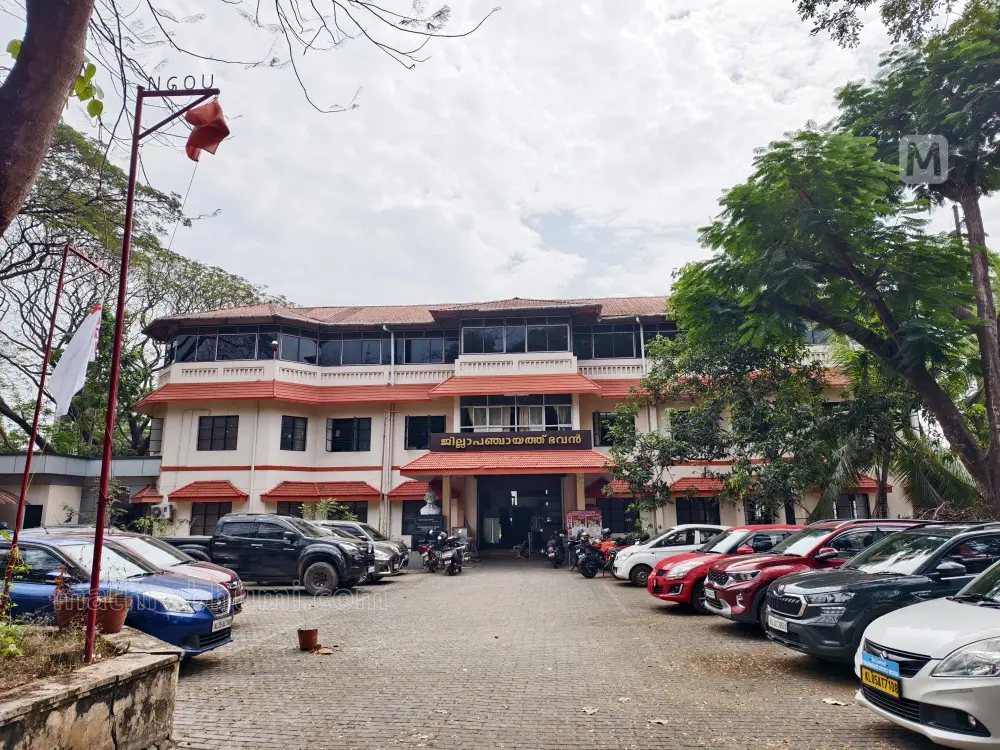
Kakkanad, Ernakulam: Local body governance in Kerala is structured to ensure that development reaches the grassroots, but how well do citizens understand the roles of their elected representatives? The powers and responsibilities of Gram Panchayats, Block Panchayats, and District Panchayats are clearly defined under the Panchayati Raj Act, covering a wide range of functions from public health and education to infrastructure and social welfare.
Gram Panchayat
The Gram Panchayat is responsible for 27 essential functions, including the protection of assets, public health, housing, issuance of licenses and permits, agriculture, clean drinking water supply, street lighting, welfare of Scheduled Castes and Tribes, and the construction and maintenance of roads.
Subordinate institutions:
- LP Schools
- Primary Health Centres
- Krishi Bhavan (Agriculture Office)
- Fisheries Office
Funds:
Panchayats operate through multiple streams of revenue to implement their development and welfare programs. These include the State Government Development Fund, Finance Commission Grants, General-Purpose Grants and others.
Additionally, Panchayats can generate resources through their own funds, derived from various local taxes and income from buildings. Another significant component is the Employment Guarantee Scheme Fund, which, with careful planning, can sometimes exceed the Panchayat’s total annual allocation for employment-related projects.
Block Panchayat
Block Panchayats channel central government funds (except the Employment Guarantee Scheme) to Gram Panchayats. They are responsible for implementing central housing and road projects, ICDS-based child welfare programs, initiating employment schemes, welfare of Scheduled Castes and Tribes, and construction and maintenance of roads up to 5 meters wide. They also handle larger roads and drinking water schemes that Gram Panchayats cannot manage.
Subordinate Institutions:
- UP Schools
- Community Health Centres
- Agriculture Assistant Director’s Office
Funds:
Funding for Block Panchayats comes from the State Government Development Fund, Legislative Assembly Constituency Asset Development Fund (LAC-ADF), Finance Commission Grants, General Purpose Grants, and various central government funds.
District Panchayat
The District Panchayat oversees district-level development projects, including large-scale programs involving both Gram and Block Panchayats.
Key focus areas include health, agriculture, drinking water, road infrastructure, education, non-conventional energy, poverty eradication, and the welfare of Scheduled Castes and Tribes. They are also responsible for constructing roads up to 8 meters wide.
Subordinate Institutions:
- High Schools and Higher Secondary Schools
- District and Taluk Hospitals
- District-level agriculture farms
Funds:
District Panchayats receive financial support from multiple sources to carry out their developmental and administrative functions. These include the State Government Development Fund, Legislative Assembly Constituency Asset Development Fund (LAC-ADF), Finance Commission Grants, and General Purpose Grants.
Municipalities and Corporations
Municipalities and Corporations operate independently and are not under the jurisdiction of District, Block, or Gram Panchayats. Therefore, in addition to the responsibilities assigned to Panchayats, they have powers and duties defined for District and Block Panchayats as well.