Kerala hunting for land to support rehabilitation in landslide-prone areas
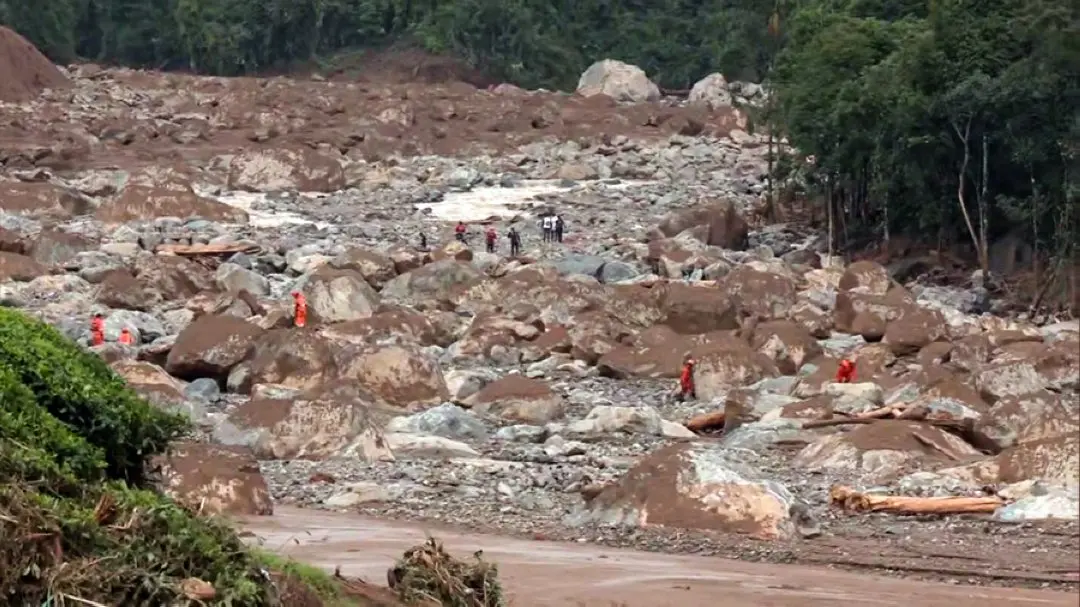
Kottayam: The state government is seeking suitable land for the rehabilitation of people in extreme landslide prone areas. New accommodations will have to be found for those from the most problematic areas identified as disaster zones by the Disaster Management Authority.
Out of the total, 90 percent of the 1,562 sq km plantations under the Forest Department are safe and hence can be considered for rehabilitation.
The Forest Department has 180 square kilometers of land in this category in Wayanad district alone and 150 square kilometers in Idukki. The land owned by the Revenue Department has been used for various housing purposes in the past. How much is left will have to be calculated.
The eco-sensitive area released by the Center is 9,993.7 square kilometers. Earlier, Kerala had proposed an amendment in this regard and limited it to 8,711.98 sq km.
On the basis of the studies conducted by various committees and the Disaster Management Authority, a map of the high risk landslides areas in the state has been published. The map has marked 460 spots. Out of these, 32 spots have more than 30 percent possibility of landslide, 76 have more than 20 percent chance.
Areas marked as landslide-prone on the hazard map in the District Disaster Management Plan and the areas up to 500 meters from its boundary shall be considered as hazard zones.
Currently there is no ban on housing and agriculture in these zones. However, large-scale construction and mining are not permitted in such areas. Even then, it is not possible to live in those places where there are continuous landslides.
Rehabilitation: Change of stance by Kerala Congress
Kerala Congress demanded utilisation of Forest Department plantations for rehabilitation. Jose K Mani requested that the Forest Department should use the plantation in case of evacuation from danger areas. He petitioned the Union Ministry of Forests and Environment for its approval.
Although the party's policy is to oppose all types of evictions, it is indicated that the policy change is in view of the need to shift at least a few people in some areas due to continuous natural calamities.