CMRL pay-off case: Kerala HC stays FIR and vigilance probe against Pinarayi Vijayan, family
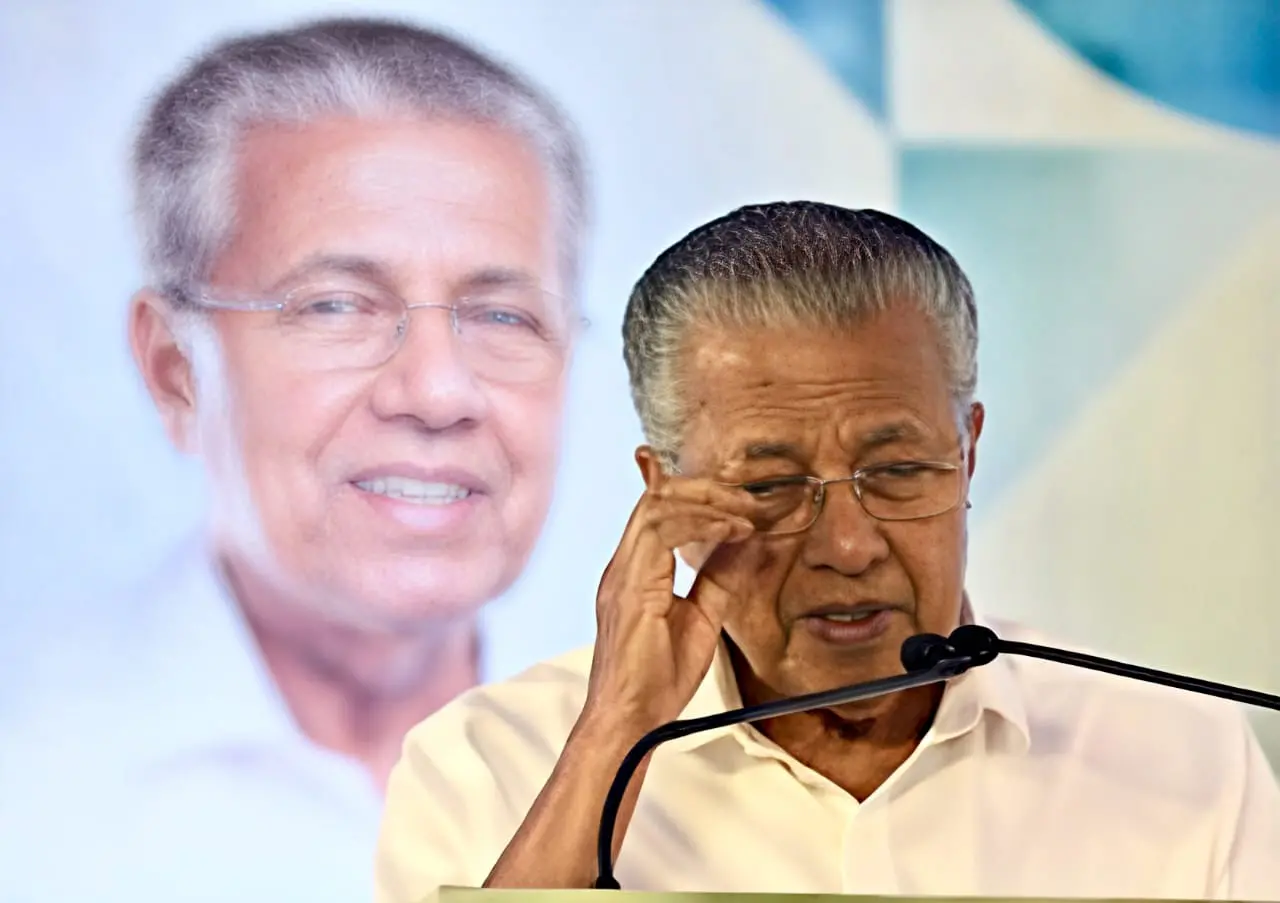
Kochi: The Kerala High Court on Monday stayed a single-judge order directing the registration of an FIR against former Chief Minister Pinarayi Vijayan and his relatives in the alleged Cochin Minerals and Rutile Limited (CMRL) bribery case, providing interim relief to the petitioners.
A Division Bench of Justices K Natarajan and Johnson John also kept in abeyance the FIRs registered by the Vigilance and Anti-Corruption Bureau (VACB) and ordered that further investigation in the case remain suspended until further orders.
The bench admitted the appeals filed by Vijayan and others, observing that the matter required detailed consideration. The appeals will be taken up for hearing after four weeks.
Also read | CMRL case: Congress divided over govt's stand on Vijayan as some insiders seek payback for Chandy
Supreme Court had called for detailed hearing
The appeals challenge a single-judge order directing the registration of an FIR in the alleged CMRL bribery case, which also involves Vijayan's daughter, Veena T, and his son-in-law, MLA P A Muhammed Riyas.
Vijayan and the other petitioners had earlier approached the Supreme Court after another Division Bench of the Kerala High Court rejected their pleas seeking permission to appeal against the single-judge order.
The Supreme Court last week said the appeals should be heard in detail by the High Court. The matter was subsequently taken up by the Division Bench, which admitted the appeals and granted the interim stay.
Also read | Pinarayi Vijayan, Muhammad Riyas named first accused in two CMRL-related FIRs
Petitioners challenge single-judge order
Senior advocate Hariharan, appearing for Vijayan, argued that the single judge had passed the order without hearing the former chief minister and the other affected parties.
The lawyer also alleged that a person who was not a party to the case, and who had political motivations, had intervened in the state government's decision to conduct a preliminary inquiry through a Special Investigation Team (SIT).
He argued that directing the registration of an FIR amounted to an overreach of the court's jurisdiction, contending that such decisions fell within the executive's domain.
The petitioners further argued that the matter had been brought as a public interest litigation (PIL) and that the single judge should not have entertained it. They also contended that the procedures applicable to PILs had not been followed.