Kerala eyes nuclear plant in Kasaragod or Thrissur; experts push for safer Kudankulam option
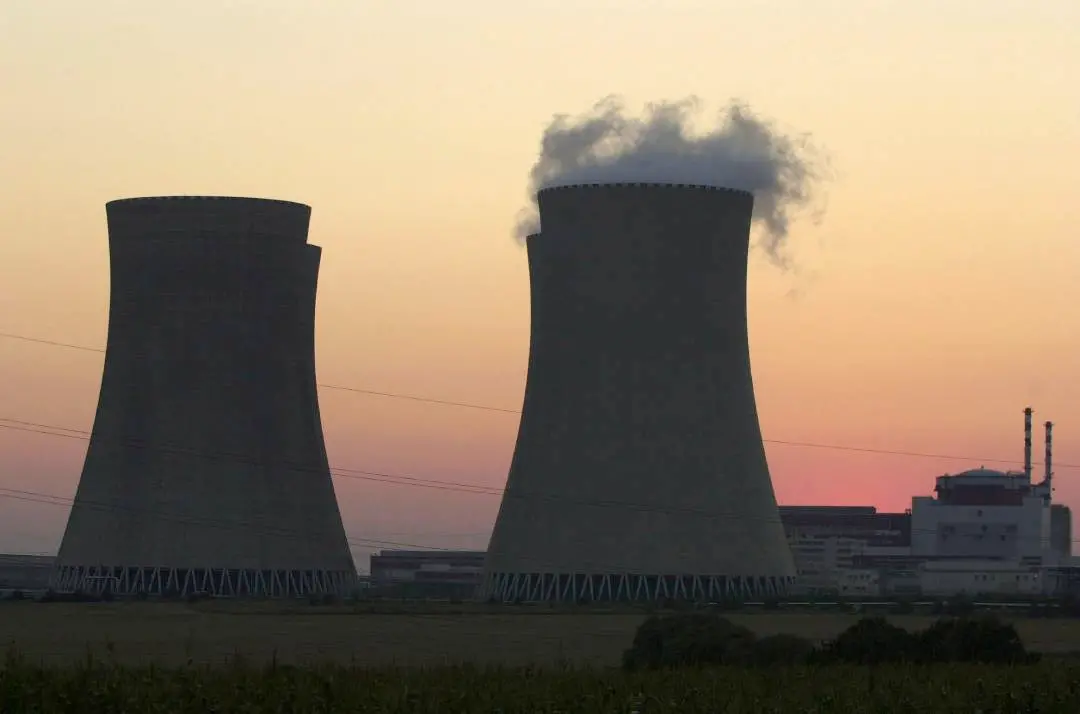
Thiruvananthapuram: As Kerala explores the possibility of establishing a nuclear power plant in a high-altitude area, experts have raised concerns over the plan. Citing the state's vulnerability to natural calamities, they recommend a focus on expanding the capacity of the existing Kudankulam Atomic Power Station (KAPS) in neighbouring Tamil Nadu, rather than proceeding with a new plant in Kerala.
Kerala's nuclear proposal
Discussions were held between officials from the Kerala State Electricity Board, the Power Department, and the Nuclear Power Corporation of India Ltd (NPCIL) to explore the feasibility of two nuclear projects, each with a 220 MW capacity, at sites in Thrissur or Kasargod districts.
However, experts have expressed their reservations about the suitability of the proposed locations, primarily due to the challenging terrain and potential risks associated with building nuclear facilities in such regions.
Alternative energy solutions
Dr Oommen V. Oommen, former Chairman of the Kerala State Biodiversity Board, proposed that Kerala consider collaborating with the Centre and Tamil Nadu to scale up atomic energy output from the Kudankulam Nuclear Power Plant (KNPP) instead.
"The proposed funds for a new high-altitude atomic power station could be redirected to enhance the Kudankulam project in Tamil Nadu’s Tirunelveli district, which is already close to Kerala," he said.
He highlighted that Kudankulam’s first phase, comprising two 1,000 MW pressurised water reactors (PWR) based on Russian technology, is operational. Four additional units are under construction in phases two and three, with the final two units expected to be completed by 2027, bringing the total capacity to 6,000 MW.
Safety concerns of high-altitude nuclear plants
Dr K.P. Laladhas, who, alongside Dr Oommen, played a key role in drafting the report on public protests against the Kasturirangan report, also voiced concerns about the proposed plant in Kerala’s high-altitude regions.
"Lower air pressure and temperature at high altitudes make it difficult to dissipate heat from the cooling system, leading to reduced efficiency and safety risks," Dr Laladhas noted.
He further warned that the reduced air density at such altitudes would impair the cooling towers' effectiveness, complicating reactor cooling processes. Additionally, the thinner atmosphere would provide less protection from radiation, increasing potential exposure risks for both workers and the public.
The risk of building in unstable terrain
Dr Laladhas also stressed the dangers posed by the state's topography. "Kerala's Western Ghats are steep, landslide-prone, and pose severe security threats to such installations," he said.
Given these concerns, the experts advised that the feasibility of constructing a nuclear plant in such a risky location must be carefully assessed. Instead, they emphasized the greater feasibility of enhancing Kudankulam’s existing infrastructure to meet Kerala's growing energy needs.
IANS