KSEB’s new proposal may change your power bill: Cheaper daytime electricity, costly nights ahead
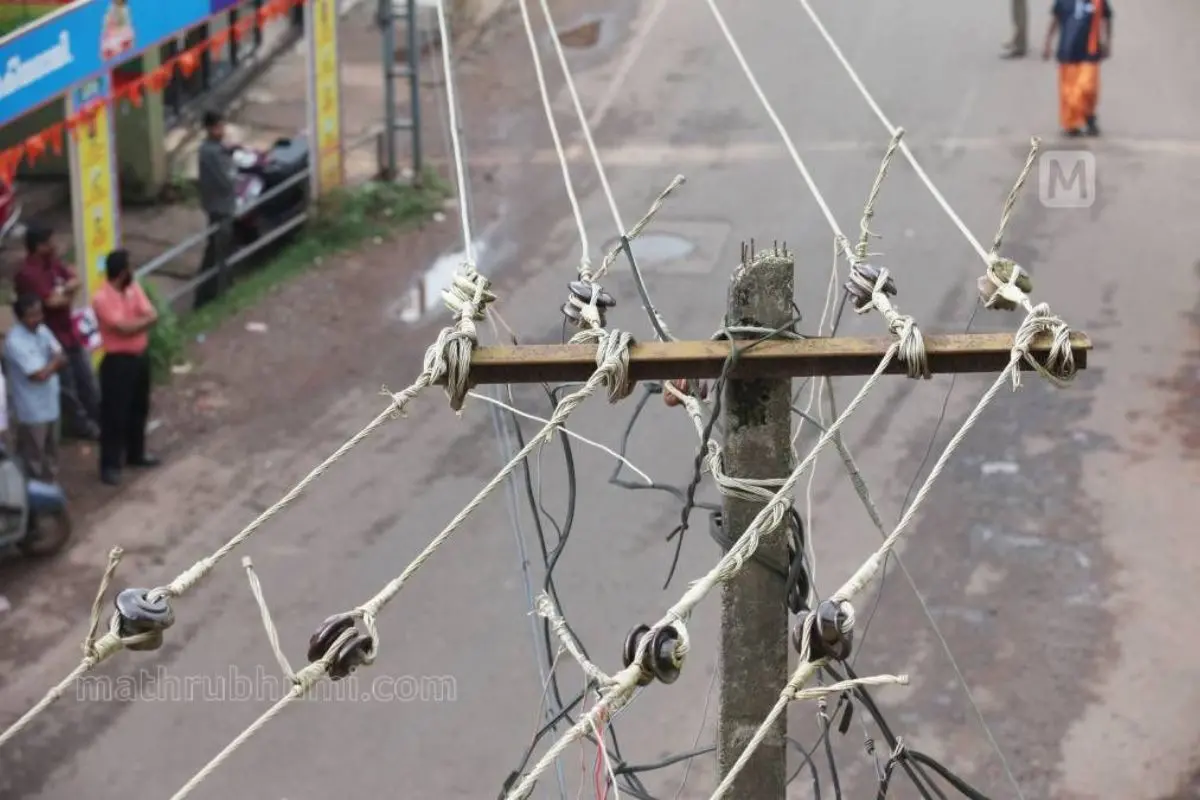
Thiruvananthapuram: The Kerala Electricity Regulatory Commission has directed the Kerala State Electricity Board (KSEB) to study the feasibility of introducing premium electricity rates during night hours while reducing daytime tariffs for consumers across categories.
The proposed move is aimed at balancing electricity demand, reducing peak-hour pressure and making better use of cheaper daytime power generated through solar energy.
Higher charges at night, bigger concessions during the day
At present, only consumers covered under the Time of Day (TOD) tariff system and certain small-scale industries receive a 10 percent concession for daytime electricity use. These consumers also pay higher charges during night hours.
The Commission has now suggested extending daytime concessions to all consumer categories while also introducing higher night tariffs more broadly. KSEB has been asked to submit a feasibility report within two months.
Why Kerala wants people to use more electricity during the day
According to officials, Kerala’s daytime electricity demand during summer peaks at around 3500 megawatts. Due to lower daytime demand and increased solar generation, nearly 10 lakh units of purchased electricity often go unused during the day.
With solar power production rising sharply across India, electricity is now available at significantly lower prices during daytime hours, sometimes below ₹2 per unit in the power market.
Authorities believe cheaper daytime rates could encourage consumers to shift activities such as charging batteries, operating appliances and industrial usage to daytime hours instead of relying heavily on electricity at night.
Night-time power demand creating financial pressure
Electricity demand in Kerala rises sharply between 9 am and midnight, reaching nearly 5500 megawatts on average. During these peak hours, KSEB reportedly purchases electricity from the market at rates as high as ₹10 per unit.
The proposed premium night tariff is intended to discourage excessive night-time consumption and reduce the financial burden caused by costly peak-hour power purchases.
Solar power users may also face higher night tariffs
The proposal could also affect households and establishments using rooftop solar systems. Currently, many solar consumers supply electricity to the grid during the day and draw similar amounts from the grid at night.
Officials say KSEB purchases expensive electricity at night while supplying it back to such consumers at lower rates under existing systems. If the new tariff structure is introduced, solar consumers may also have to pay higher night-time charges.
Apart from the tariff proposal, the Commission has also sought a separate report within three months on the impact of increasing solar power generation and changing electricity consumption patterns in Kerala.
The study is expected to examine future power demand trends, grid stability challenges and the long-term effect of renewable energy adoption on electricity pricing.