'100 years': Know the story of how Chapati came to Kerala and its connection with Vaikom Satyagraha
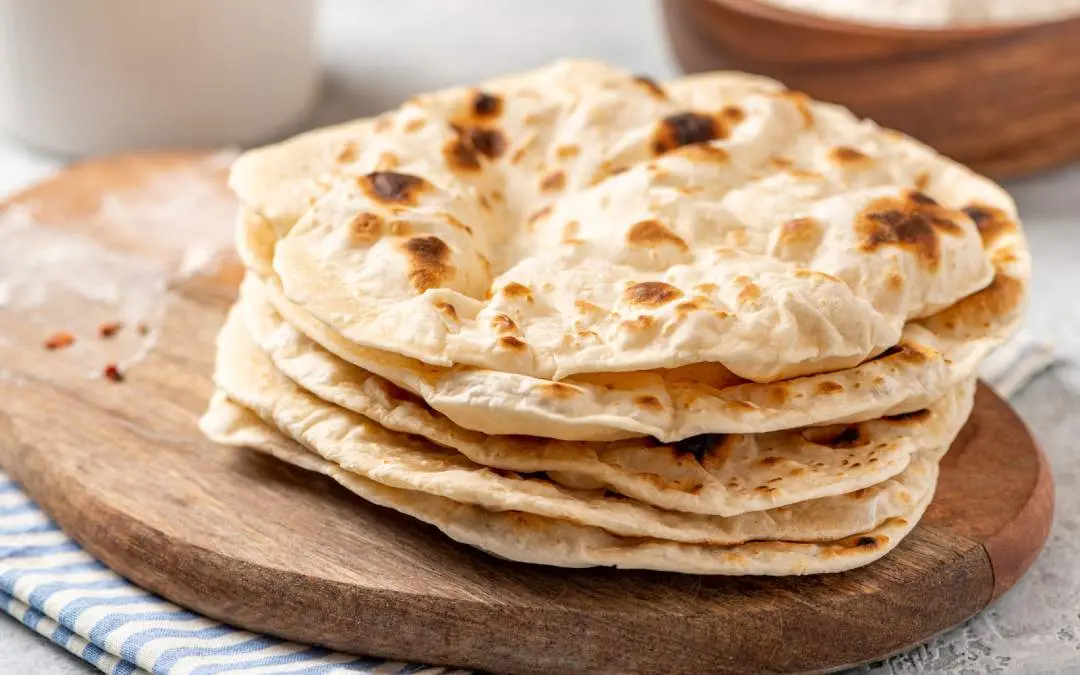
Kottayam: It's a century since Chapati made its way into Kerala's culinary landscape. Chapati owes its introduction to the Vaikom Satyagraha, a movement advocating for the eradication of untouchability. Sikhs, who came to support the satyagraha, brought with them the preparation and serving of chapatis, a delicacy unfamiliar to Kerala at the time.
In Mavelikara, a group of friends is commemorating this milestone with fervor. "Katha," a literary organization led by story writer K K Sudhakaran as president and Regi Parappuram as secretary, is organising the celebration at Mavelikkara Raja Ravi Varma College of Fine Arts on Sunday.
"Chapati, accompanied by Sikhs' favorite dal and curd salad, will be served at the celebration," said Parappuram. NCC officer Raja Virendra Singh from Ludhiana will be the chief guest for the event.
The roots of Chapati's arrival trace back to the Akali group, instrumental in reforming Sikh Gurdwaras, who came to Vaikom during the Satyagraha. Sardar K M Panicker, a Malayali serving as Minister of Patiala State at the time, played a pivotal role in acquainting the Sikh leaders with the Vaikom Satyagraha.
Witnessing the struggle of satyagrahis facing food shortages, the King of Patiala dispatched three ships laden with wheat to Kochi. The Shiromani Gurdwara Parbandhak Committee, representing the Sikh community, took charge of this humanitarian effort.
The chapatis prepared by Akalis, who arrived in Kerala on April 29, 1924, garnered favor among the Malayalis. However, adapting to local tastes, chapatis were later baked with coconut oil instead of mustard oil.
Mahatma Gandhi cautioned against satyagrahis availing themselves of the Akali food court's aid, fearing it could be misconstrued as accepting charity. Despite this, the Akalis insisted the eatery remain open until instructed by the Gurdwara Committee orders to stop food.
Upon learning of the Committee's unanimous decision to close the eatery, the Akalis reluctantly returned to Punjab. Yet, Kerala's love affair with Chapati endures, preserving its preparation techniques and distinctive flavor.
58 / 58
ChatGPT
Know the story of how Chapati came to Kerala and its connection with Vaikom Satyagraha
Kottayam: It has been a century since Chapati first graced Kerala's culinary scene. The introduction of Chapati owes itself to the Vaikom Satyagraha, a movement dedicated to eliminating untouchability. Sikhs, who came to support the Satyagraha, brought with them the tradition of preparing and serving Chapatis, a delicacy unfamiliar to Kerala at that time.
In Mavelikara, a group of enthusiasts is marking this milestone with great fervour. "Katha," a literary organisation led by the renowned story writer K K Sudhakaran as president and Regi Parappuram as secretary, is orchestrating the commemoration at Mavelikkara Raja Ravi Varma College of Fine Arts on Sunday.
"Chapati, accompanied by the Sikhs' favourite dal and curd salad, will be served during the celebration," announced Parappuram. Raja Virendra Singh, an NCC officer from Ludhiana, will grace the event as the chief guest.
The origins of Chapati's arrival can be traced back to the Akali group, pivotal in reforming Sikh Gurdwaras, who arrived in Vaikom during the Satyagraha. Sardar K M Panicker, a Malayali serving as Minister of Patiala State at the time, played a crucial role in acquainting the Sikh leaders with the Vaikom Satyagraha.
Observing the struggles of Satyagrahis facing food shortages, the King of Patiala dispatched three ships laden with wheat to Kochi. The Shiromani Gurdwara Parbandhak Committee, representing the Sikh community, took charge of this humanitarian effort.
The Chapatis prepared by the Akalis, who arrived in Kerala on April 29, 1924, quickly gained favour among the Malayalis. However, to adapt to local tastes, Chapatis were later baked with coconut oil instead of mustard oil.
Mahatma Gandhi cautioned against Satyagrahis availing themselves of aid from the Akali food court, fearing it could be seen as accepting charity. Despite this, the Akalis insisted that the eatery remain open until instructed by the Gurdwara Committee to cease food distribution.
Upon learning of the Committee's unanimous decision to close the eatery, the Akalis reluctantly returned to Punjab. Yet, Kerala's love affair with Chapati endures, preserving its preparation techniques and distinctive flavour.