How 'Kumbalangi Nights' sparked a tourism craze for Kerala's bioluminescent waters
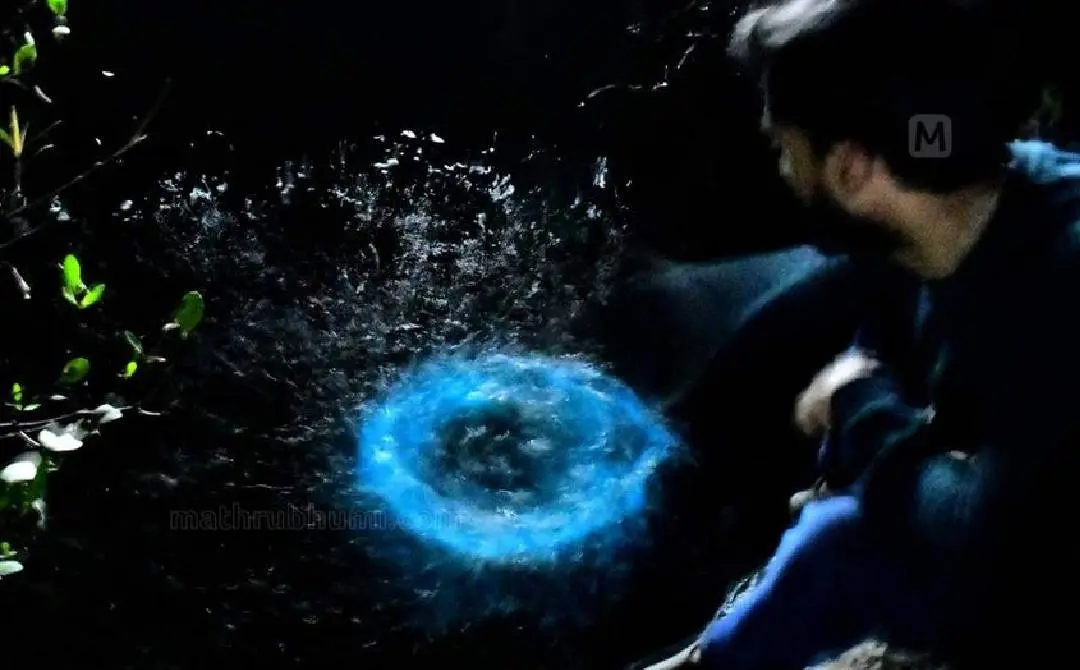
As summer settles in, a mesmerising natural phenomenon known as Kavar begins to unfold in the ponds of coastal villages like Kumbalangi and Chellanam in Kerala.
Kavar, a striking blue light, illuminates the water bodies on moonless nights, creating a magical spectacle. This unique glow is caused by a combination of summer heat and salt accumulation in the ponds. When the water is disturbed, it sparkles in brilliant blue, leaving observers in awe.
The phenomenon is most visible in the Kumbalangi and Chellanam areas of Kochi in Kerala, which are home to large ponds. During the summer, the surrounding salt settles in the water, and as the temperature rises, the water takes on its electric blue hue, leading to an unforgettable sight. Tourists flock to these areas, especially during the dark nights of the Kumbha and Meena months, to witness the beauty of Kavar in person.
The science behind the blue light: Microorganisms and Bioluminescence
Scientifically, Kavar is the product of bioluminescence, a natural phenomenon where microorganisms like bacteria and fungi emit light.
This light serves several purposes for these organisms, such as defence against predators, attracting mates, and luring prey. It is often referred to as 'cold light' because it does not generate heat, making it visible even in the darkest of nights.
Kavar sightings in Kumbalangi and Chellanam
Last year, Kavar made an early appearance in February, with the peak sightings occurring around midnight in Kumbalangi’s Pokkalipadam. This year, however, it has been spotted in Chellanam.
Local resident V.T. Sebastian explained that the strong tide has delayed the bloom, but it’s expected to appear more frequently after mid-March, once the moon's course shifts.
Interestingly, the presence of the moon inhibits the brightness of Kavar, as the moonlight diminishes the glow. The best sightings are typically after 2 a.m. when the moon has moved past its peak.
Kavar’s popularity grows: Thanks to Kumbalangi Nights
Although Kavar has been a long-standing natural phenomenon in the region, it was Kumbalangi Nights that turned it into a popular tourist attraction. The film’s portrayal of the coastal village and its bioluminescent waters captured the imaginations of audiences, leading to an influx of visitors during the season.
However, this surge in interest has brought challenges. Last year, when Kavar was seen in large numbers, thousands of tourists descended upon Kumbalangi. Some ventured into the shrimp fields, disturbing the delicate ecosystem and creating tension with local farmers. There were also complaints about the lack of proper facilities for tourists eager to witness the glowing waters.
Time for tourism development around Kavar
The phenomenon of Kavar should be recognised as a valuable tourism product. It’s high time for the local authorities to take steps to manage the increasing crowds and enhance the visitor experience. Organising proper facilities for Kavar viewing, including accommodations, food, and infrastructure, would benefit the local economy and provide tourists with a more comfortable experience.
Moreover, the potential of Kavar extends beyond Kumbalangi. Chellanam, too, has the opportunity to become a key destination for Kavar tourism.