Harshina case: Expert committee to examine police report, findings will be decisive
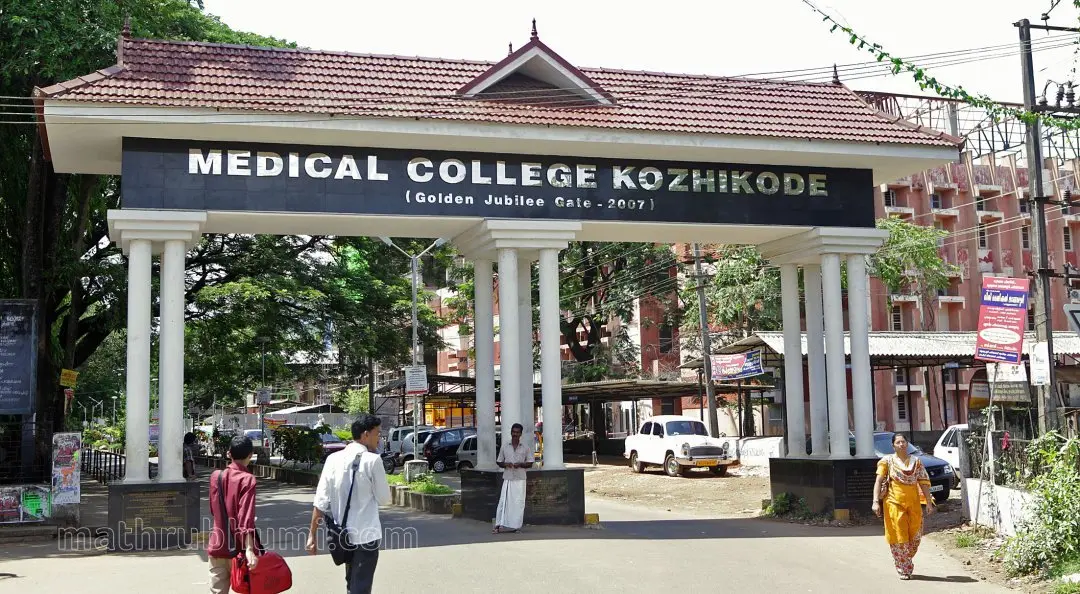
Kozhikode: In the case of a botched surgery on K.K Harshina during a cesarean section operation, the decision of the expert committee constituted by the health department will be decisive. The police report had found that the forceps belonged to Kozhikode medical college hospital where Harshina underwent her third delivery in November 2017. This was submitted to the DMO.
A senior doctor, a PG doctor and two nurses were named as culprits in this case. The district-level meeting of an eight-member expert committee helmed by the DMO will meet on August 1 to scrutinize the police report. Senior police officers, doctors and public prosecutors are part of this committee.
If the committee confirms the finding of the police report, then the accused can be booked in the case. However, if the expert committee repudiates the police report, further actions cannot be taken.
If the decision of the expert committee is found to be unfavorable then both the culprits and Harshina can file appeals to a state-level committee. If so, further action will be taken as per the recommendations of the committee.
This eight-member committee headed by the DMO to investigate cases of medical negligence was constituted in 2016. The committee will confirm the police report after examining the patient case sheet, MRI report scanning report, examination reports, drug prescriptions, etc.
When Harshina began the first phase of her strike, health minister Veena George had visited her and promised intervention. The next Cabinet meeting ordered an investigation into the same.
The report based on this investigation has now been submitted. The investigation was carried out under the leadership of Medical College Asst. Commissioner K. Sudarshan.
Meanwhile, the MRI of Harshina taken after her second delivery turned out to be a crucial evidence in the case. If there was a metal object in her body then, it would have been discovered during the scan.
Moreover, if the forceps were left during the second delivery, it would have been detected in the scanning carried out during Harshina’s third pregnancy and would definitely have been spotted during her third cesarean operation.