Frozen law, rising deaths: Why is India still soft on hit-and-run cases?
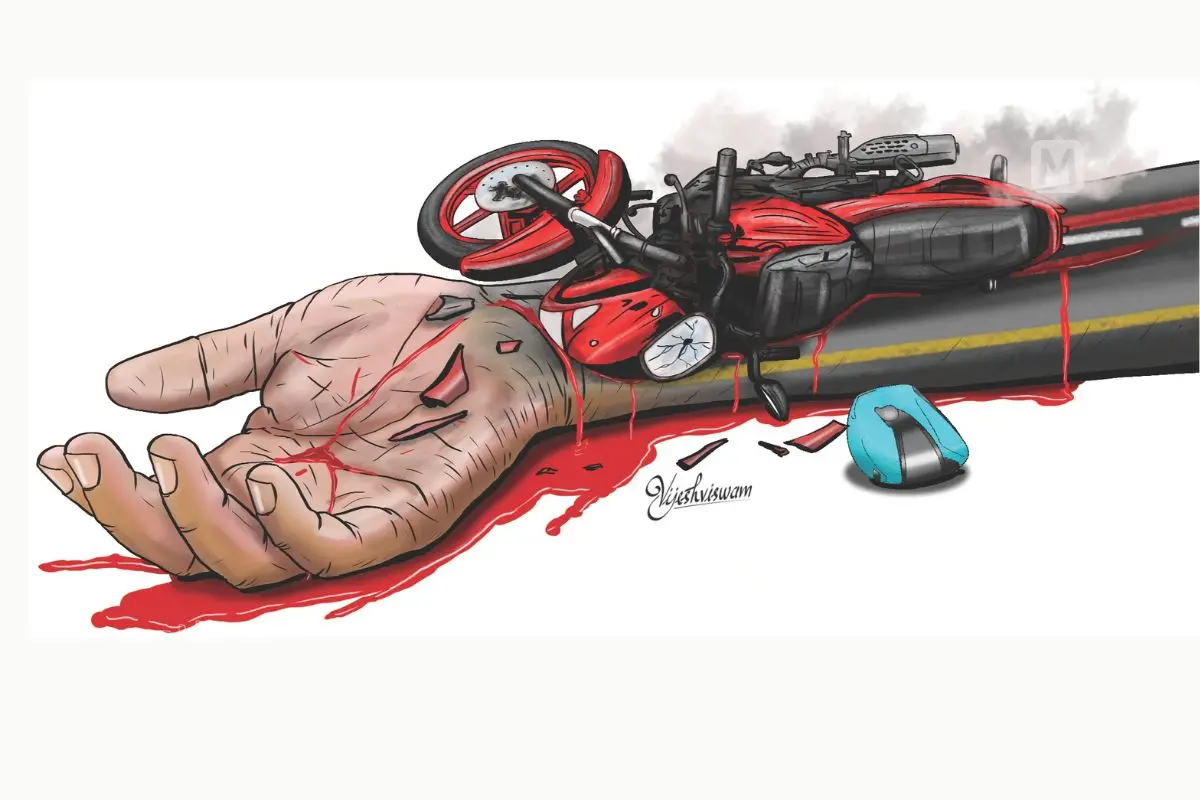
Kochi: Legal experts and road safety advocates are calling on the central government to enforce Section 106(2) of the new criminal code, which introduces strict punishment for hit-and-run offences. Though this section was included in the Bharatiya Nyaya Sanhita (BNS) to replace the Indian Penal Code (IPC), it has been frozen and not yet implemented.
Section 106(2) of the BNS was introduced to address cases where drivers fail to stop their vehicle after causing an accident. The provision allows for up to 10 years in prison and a fine, and is considered non-bailable.
Currently, hit-and-run cases are being registered under Section 106(1), which applies whether or not the vehicle was stopped. The punishment under this section is up to five years in prison, a fine, and is bailable.
Supreme Court’s earlier warning
In the 2015 Abdul Sharif case, the Supreme Court ruled that Section 304A of the IPC, which was commonly used in road accident cases, was not enough to deal with serious offences. It recommended a legal revision – leading to the creation of Section 106(2) under the BNS.
Despite rising hit-and-run cases, the central government has not enforced Section 106(2). Experts say this delay weakens accountability for dangerous driving. According to T. Asaf Ali, former Director General of Prosecution, it is surprising that no one has raised a complaint about the freezing of this life-saving department.
There are allegations that the freezing of Section 106(2) happened under pressure from trade unions and tourist bus operators.
Shocking statistics
According to the Ministry of Road Transport and Highways, in 2022 alone,
- 1,68,491 people were killed in road accidents across India
- 67,387 of those cases involved vehicles that did not stop
- 30,486 people died in these hit-and-run cases
Advocates say that the threat of a 10-year prison sentence without bail would act as a strong deterrent against reckless driving and fleeing accident scenes.