Electrocution death: Nilambur politically charged, but will illegal fencing get the attention it deserves?
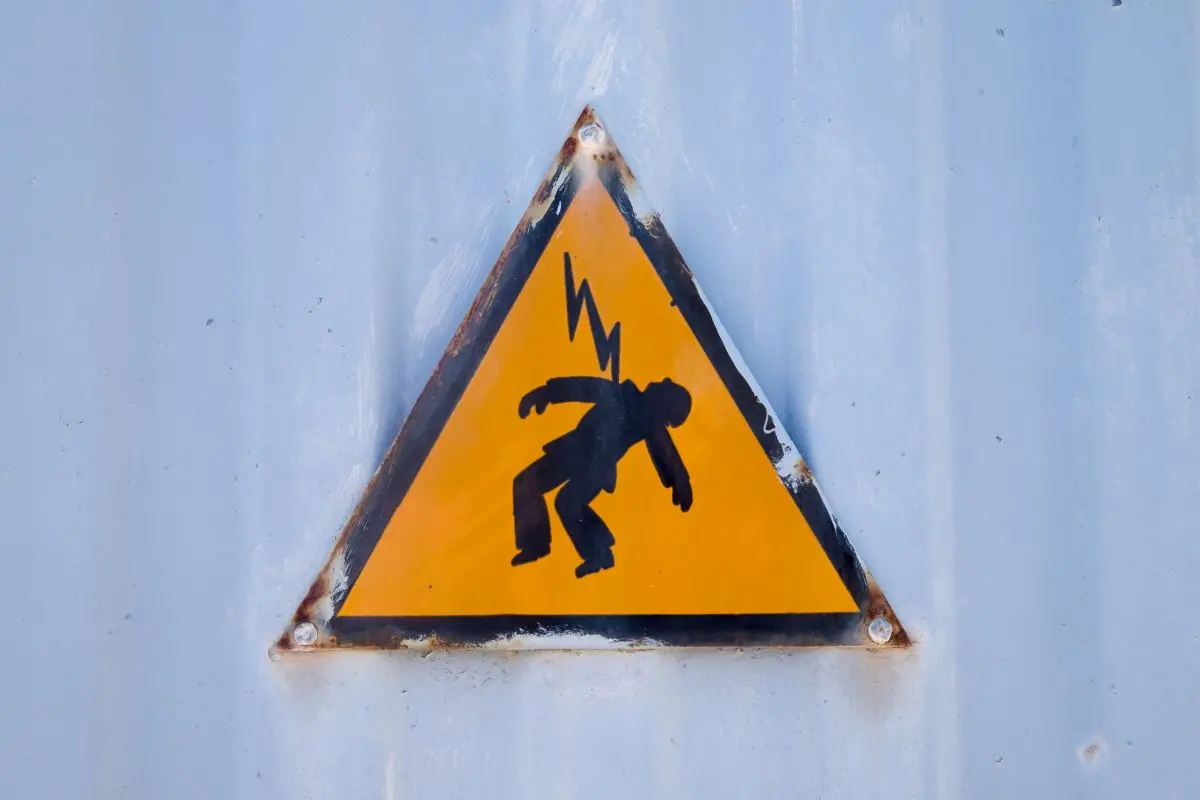
The tragic electrocution of a 15-year-old student in Kerala’s Nilambur by an illegal electric fence has renewed urgent calls to address the widespread issue of unauthorised electric fencing across India. Such fences, often erected by private landowners to deter wild animals from farmlands, have increasingly caused fatal accidents involving both humans and animals.
This problem spans multiple states including Tamil Nadu, Andhra Pradesh, Maharashtra, Karnataka, and Telangana, with governments periodically urging caution. Despite clear regulations demanding prior government approval, use of ISI-approved equipment, mandatory warning signs, and additional physical barriers in some areas, these rules are frequently ignored. Violations can lead to criminal charges under IPC Section 304, carrying penalties of up to 10 years’ imprisonment and fines, but convictions and strict punishments remain rare.
Experts argue for proactive government intervention through awareness campaigns and stringent enforcement to prevent further needless loss of life. “All life—of humans as well as animals—is precious. Any negligence that cuts it short must not be tolerated,” safety advocates insist.
Political turmoil ahead of by-election
Tensions erupted in Nilambur, Malappuram district, following the fatal electrocution of Ananthu alias Jithu, a Class 10 student. The incident occurred on a Saturday night when Ananthu and three friends came into contact with a live electric fence unlawfully installed to trap wild boars. While all four were electrocuted, only one escaped to alert nearby residents. Despite swift medical attention, Ananthu was declared dead on arrival, with two others sustaining serious injuries.
The tragedy, coming just days before the Nilambur Assembly by-election on June 19, triggered protests by opposition United Democratic Front (UDF) activists. They blocked roads, clashed with police, and demanded the immediate arrest of those responsible and action against the Kerala State Electricity Board (KSEB).
Local residents claimed, “This is not an isolated incident. There are illegal electric traps all over the area. People had raised complaints earlier, but no serious action was taken.”
Political leaders exchange blame
The incident has ignited a fierce political slugfest. UDF candidate Aryadan Shoukath accused the state government and KSEB of negligence. “The KSEB has shown shocking indifference to public safety and has tacitly allowed such deadly traps. If stringent action is not taken, we will intensify our protests,” he declared.
Conversely, LDF candidate and CPM leader M. Swaraj called the incident “deeply unfortunate” and demanded a comprehensive investigation to ensure accountability.
Kerala Forest Minister A.K. Saseendran further intensified the controversy by alleging a political conspiracy behind the death. “This is the election season, and one must ask who benefits from this tragedy,” he said, noting the fence was suspiciously installed after morning hours. He added, “The Forest Department has not laid any electric fences in the area, and the Kerala State Electricity Board has no role in the incident.”
Saseendran criticised opposition parties, especially the UDF and BJP, for politicising the tragedy. “Attempts are being made to inflame public sentiment and shift blame on the government without facts,” he remarked, pointing out that protests occurred in locations distant from Nilambur before the details of the incident were fully known locally.
Police have registered a case of culpable homicide and taken two suspects into custody. The Crime Branch is conducting a detailed inquiry to trace the source of the electric connection and identify those responsible for erecting the illegal fence.
The district administration has promised stringent action against offenders. Meanwhile, public outrage continues to grow as questions remain over enforcement failures and the urgent need to regulate illegal electric fencing nationwide.
The Nilambur incident serves as a grim reminder that unauthorized electric fences pose a grave danger across India. With fatal accidents recurring in multiple states, this tragedy is a clarion call for stronger regulation, public awareness, and political will to address this issue comprehensively, safeguarding lives and upholding the rule of law.