Death of 28 workers still haunts Palakkad village half a century later
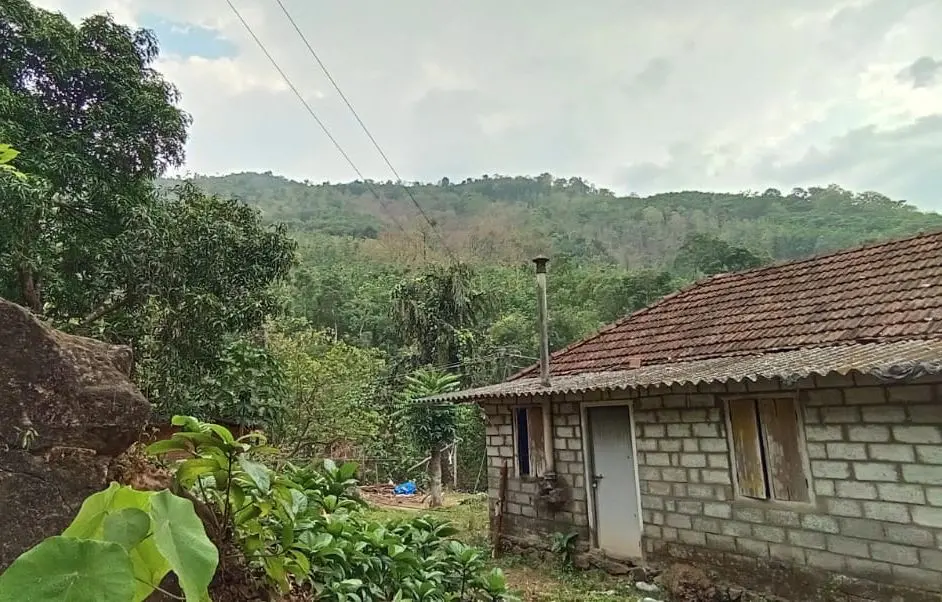
Mangalam Dam: The memories of a tragic incident that occurred fifty years ago continue to haunt the residents of Kadappara, a small village located in the hilly terrains of Palakkad. Even after all these years, the death of 50 workers due to a lightning strike still revisits them in their dreams, serving as a painful reminder of their past history. The hill where the calamity struck has come to be known as 'Idivettukunnu' in memory of the tragic event.
On April 4, 1973, the village near the Mangalam dam was jolted awake by the news that a bolt of lightning had struck a shanty hut housing workers on a tapioca plantation. Initially, amidst the chaos and confusion, it took some time before the villagers could comprehend the full extent of the disaster - that 50 workers had lost their lives in the accident.
The workers, including women, had travelled from Kodakara and Wadakkancherry in Thrissur district to work in the plantation and earn a livelihood to fend off poverty. While government records indicate that 28 people died in the mishap, the locals remember a much higher number of casualties.
It was a time when remote villages lacked proper roads or transportation facilities. To accommodate the workers, two makeshift huts were constructed in a tapioca plantation and partitioned into upper and lower rooms. It was around 3 am when a bolt of lightning struck the upper floor of the hut where the workers were sleeping, leading to the tragic incident.
MK Chandran, a native of Kadappara, and Jose, from Thrissur, were eyewitnesses to the tragic event. Jose, who worked on the plantation, was sleeping on the lower floor of the hut when the lightning struck. He learned about the mishap from two workers who managed to escape from the upper floor.
Recalling the incident, Jose described finding the bodies in a charred and partly charred state. Chandran, who worked as a security staff on the plantation, unfortunately lost two of his wife's sisters in the accident. He also noted that the weather had been turbulent the day prior to the accident, but the workers still sought shelter in the huts.
Thankfully, the huts, which typically housed around 150 workers, were only half full when the accident occurred. After the incident, the bodies were cremated on the plantation premises itself.