Cramped seats, zero comfort: Heavy revenue slump for KSRTC Super Fast Premium services
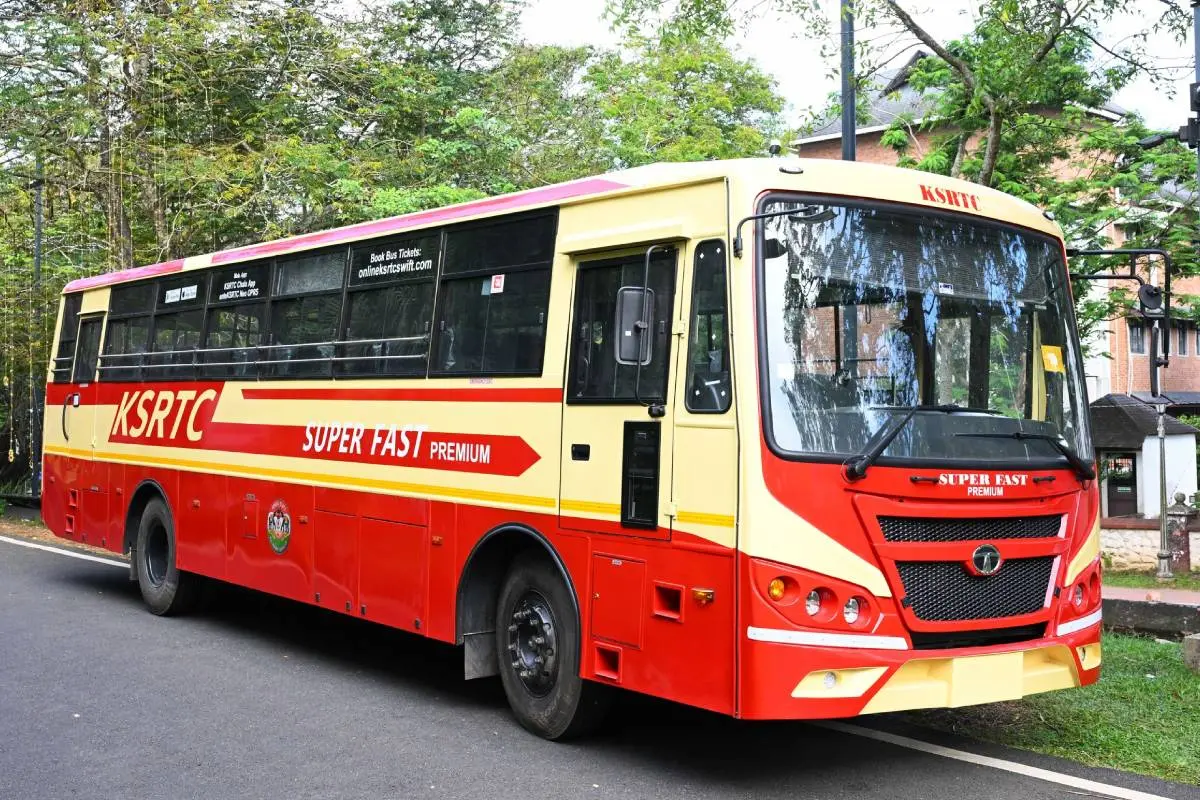
Kalpetta (Kerala): Revenue from KSRTC's newly launched Super Fast Premium services has failed to meet expectations. The services were upgraded to 'Super Fast Premium' by replacing older Super Fast buses with a fleet of brand-new vehicles.
Despite an increase in ticket fares, the services are facing a major drop in earnings. In fact, the current revenue is lower than what the older Super Fast services used to generate. A reduction in the number of scheduled stops and a lack of passenger comfort in the new buses are cited as the primary reasons for this decline.
There are nine Super Fast Premium services operating from the district. The Kalpetta–Thiruvananthapuram Super Fast Premium service, run by the Kalpetta depot, is incurring a daily loss of ₹10,000 to ₹15,000. When it operated as a standard Super Fast service, its daily collection ranged between ₹40,000 and ₹45,000; this has now dwindled to ₹30,000 to ₹35,000.
Weekend and holiday revenues, which previously touched ₹60,000 to ₹70,000, have now plummeted below ₹55,000. The Kalpetta–Thiruvananthapuram service passes through 11 districts. Following its conversion to a Super Fast Premium service, several stops—including those in hillside regions—were axed, leading to a major loss of commuters.
Earnings have also dipped for the two Thiruvananthapuram and two Pathanamthitta Super Fast Premium services operating from the Sulthan Bathery depot. The Thiruvananthapuram services, which used to fetch up to ₹60,000, now bring in less than ₹50,000. Similarly, the Pathanamthitta services, which earlier generated over ₹40,000, have seen collections slide under ₹30,000.
Meanwhile, the two Coimbatore services each from Bathery and Mananthavady also run as Super Fast Premium. Due to a shortage of alternative buses on the Coimbatore route, these interstate services have not faced any substantial revenue loss.
New buses lack comfort
Compared to the older Super Fast models, the new Super Fast Premium buses lack passenger comfort, triggering public dissatisfaction. The main issue is the distinct lack of legroom; passengers find their knees knocking against the seats in front. The seats have minimal recline, making long-distance travel highly uncomfortable. There is also inadequate space to store luggage and bags.
Furthermore, these buses feature fixed side glass panes instead of sliding shutters. Since the vehicles are not air-conditioned, the heat becomes unbearable for passengers during the summer months. The body of the bus is also narrower, meaning fewer passengers can travel standing compared to older models. Commuters complain that long journeys leave them completely exhausted and that these new buses are entirely unsuitable for long-distance routes. Consequently, seat reservations have seen a sharp decline.
Many passengers are now actively avoiding the Super Fast Premium buses, choosing instead to reserve seats on older Super Fast models or KSRTC-SWIFT services. The crew are equally unhappy with the upgrade. Previously, staff were credited with four duties for a Super Fast service, but this has been cut to three and a half duties under the Super Fast Premium structure.