Speculation arises over Ambazhanga consumption by Nipah infected boy during tour to Wayanad
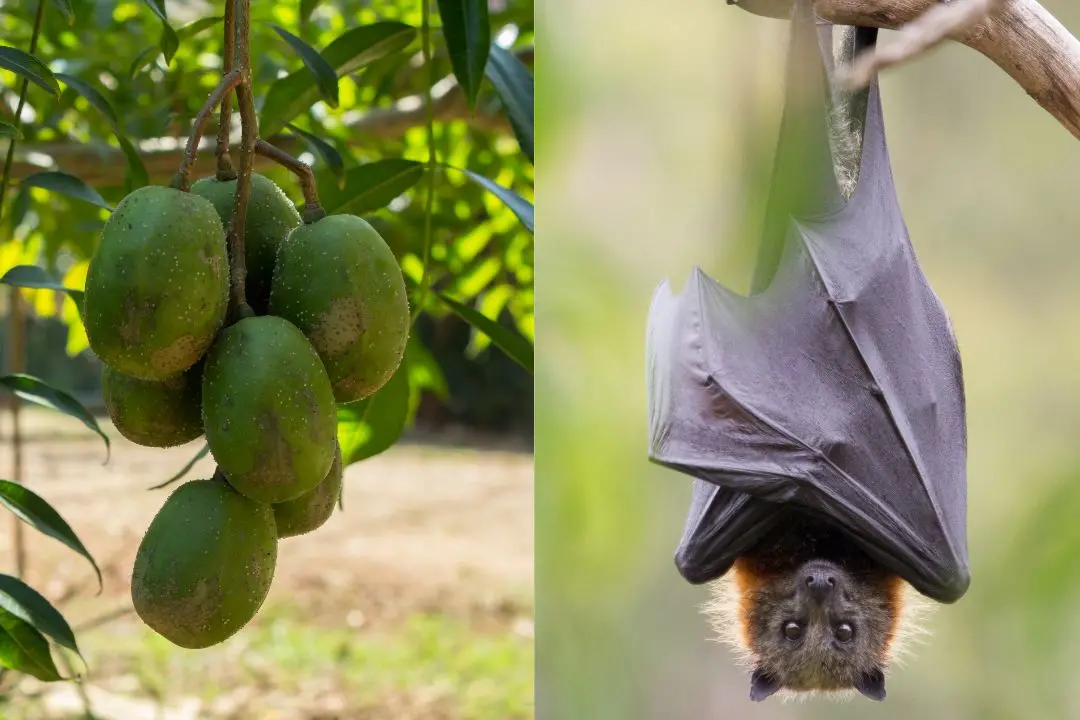
Malappuram: The confirmation of Nipah virus in a 14-year-old boy has sparked speculation about a potential link with the Indian hog plum (ambazhanga).
Reports indicate that the affected child had consumed hog plum during a recent excursion to Wayanad. While the authenticity of these reports is contested, they have generated considerable speculation. There is currently no scientific evidence to support the claim that hog plum consumption has led to the contraction of the virus. The emerging theory suggests that hog plums are often nibbled by fruit bats of the Pteropodidae family, which are natural hosts of the Nipah virus.
The National Institute of Virology and the Indian Council of Medical Research, following their investigation into the source of the 2018 outbreak in Kozhikode, confirmed a link between Nipah and Pteropus (Pteropodidae) bats. Nearly 20% of bats collected from the outbreak area tested positive for the Nipah virus. These bats are not only found in Kozhikode but also in other parts of Kerala.
Meanwhile, the friends who accompanied the child are being monitored, with reports indicating that one friend is displaying symptoms.
The child, initially treated at a private hospital in Kozhikode, has been transferred to Kozhikode Medical College Hospital after testing positive at the Pune Institute of Virology. The child is now in an intensive care unit specially prepared for Nipah cases. The child’s parents and uncle, who were in close contact, are also under observation at the medical college.
In response to the situation, a comprehensive contact list has been compiled, and thirty observation rooms have been established at Manjeri Medical College to manage potential cases and prevent further spread of the virus.
Health officials continue to emphasise the need for public vigilance and adherence to preventive measures to contain the spread of the Nipah virus in the region.