Centre proposes curbs on solar benefits; higher charges likely for systems above 5 kW
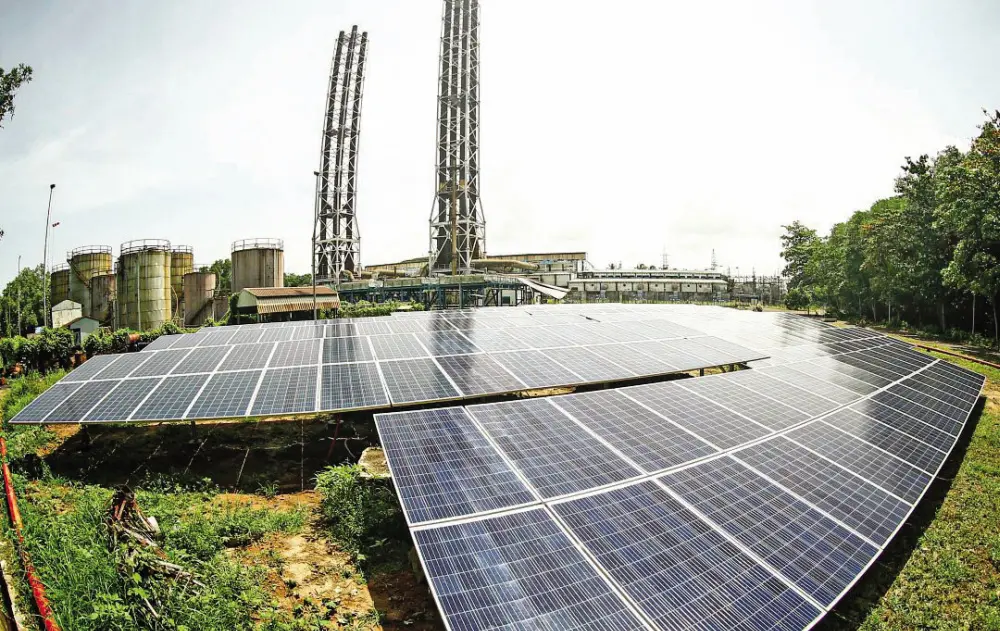
Thiruvananthapuram, Kerala: The Centre has proposed restrictions on incentives for solar power systems with a capacity above 5 kilowatts (kW), which could increase costs for consumers, according to a draft regulation by the Union Ministry of Power.
The Draft Electricity (Rights of Consumers) Amendment Rules, 2026, says that solar systems above 5 kW will have to pay a special net metering charge if they wish to continue under the existing, more beneficial net metering system.
The Centre has also suggested making battery storage mandatory for systems above 500 kW.
In Kerala, the State Electricity Regulatory Commission has already imposed restrictions on systems above 10 kW. Households can continue net metering up to 10 kW without additional grid support charges, but systems above this limit require battery storage. However, these state regulations faced strong opposition and have been stayed by the High Court.
The Centre clarified that state electricity regulatory commissions have the authority to set limits on net metering. If no such limits are set, net metering can continue for systems up to 500 kW. However, consumers with systems above 5 kW may have to pay additional charges, which will be determined by regulatory commissions based on storage and other associated costs.
If implemented, the new rules could increase costs for residential rooftop solar users with systems above 5 kW.
How net metering works
Net metering allows excess electricity generated during the day from solar panels to be fed into the grid and offset against consumption during non-solar hours.
Under Kerala’s current regulations, net metering is allowed up to 20 kW for households and up to 500 kW for industrial users. However, restrictions apply beyond 10 kW for households, including mandatory battery storage, 10% for systems between 10–15 kW and 20% for 15–20 kW. For industries, storage requirements range from 10% to 20% for systems above 25 kW.
Rationale behind the proposal
The Centre argues that non-solar consumers pay higher tariffs based on usage slabs, while solar users under net metering benefit from lower effective tariffs even with higher consumption. The cost burden, therefore, shifts to other consumers.
Additionally, solar producers use the grid to export and draw electricity, contributing to transmission losses and system costs. The proposed net metering charge is intended to address these issues.
Meanwhile, states have been asked to submit their feedback on the draft rules by April 11.
Proposal on time-of-day tariffs
The draft also proposes wider implementation of Time of Day (ToD) tariffs for all industrial and commercial consumers with loads above 10 kW, where electricity rates vary depending on the time of use.
Currently, daytime tariffs are about 10% lower than normal rates. The Centre has proposed increasing this discount to 20%.
In Kerala, ToD meters are not yet implemented for commercial establishments. They currently apply to high-tension and extra high-tension industrial consumers, low-tension users with connected loads above 20 kW, and households consuming more than 250 units per month. If the new rules are adopted, more consumers will come under ToD tariffs, potentially benefiting from lower daytime rates.