Can Pinarayi still lead Kerala’s Left after historic electoral setback?
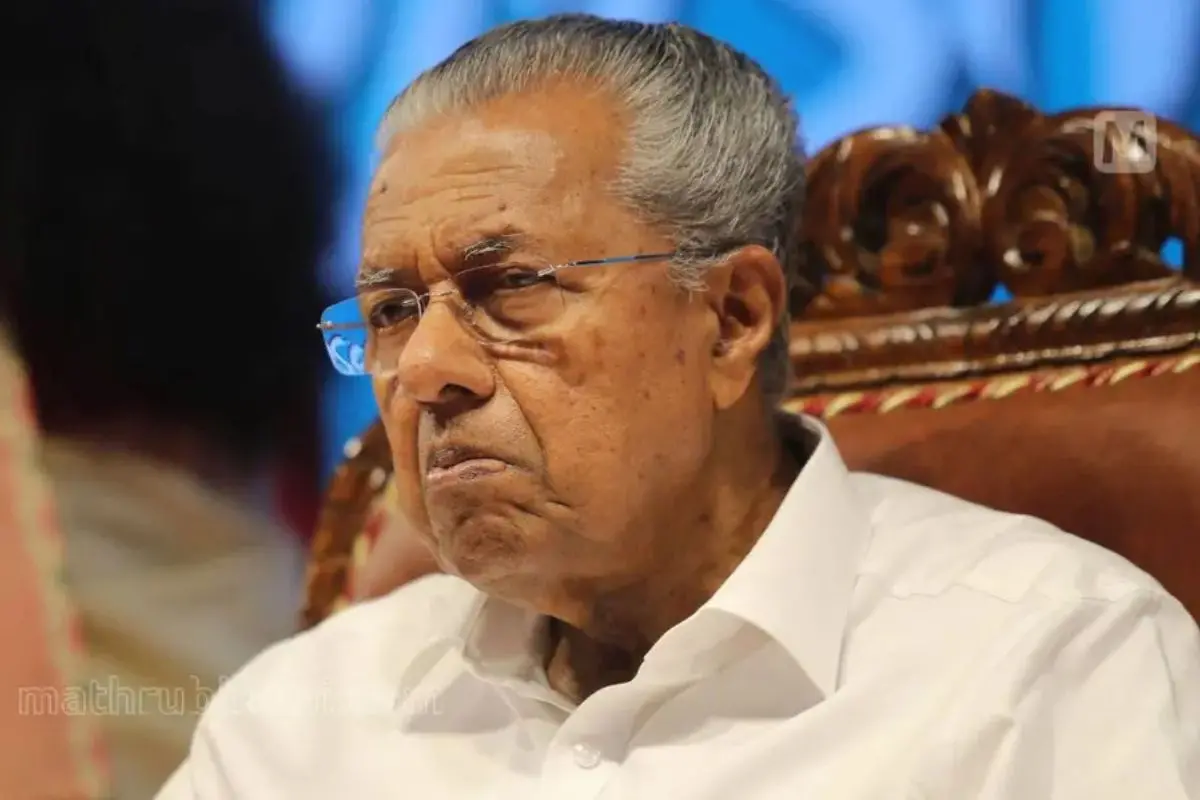
New Delhi/Thiruvananthapuram: For almost three decades, Pinarayi Vijayan towered over Kerala politics as the most powerful face of the Communist Party of India (Marxist), a leader who survived internal rebellions, neutralised rivals and built an unmatched grip over both the party and the government.
Today, after the Left’s crushing electoral defeat, the veteran leader finds himself confronting perhaps the biggest political uncertainty of his career.
As the CPM Politburo continues discussions in New Delhi on the future leadership of the Opposition in Kerala, the debate has evolved beyond a routine organisational exercise. At its core lies a far more consequential question — what comes after the Pinarayi era?
From his entry into the cabinet of former Chief Minister E. K. Nayanar as Electricity Minister in 1996, Pinarayi’s ascent within the CPM was rapid and decisive.
By 1998, he had assumed charge as the party’s Kerala state secretary, steadily consolidating control over the organisation. Over the next two decades, his influence within the party became nearly absolute, with even senior leaders and critics often finding themselves sidelined.
His transformation into Kerala’s central political figure was completed in 2016 when he became Chief Minister.
Over two consecutive terms, Pinarayi evolved into the undisputed power centre of the state’s political and administrative machinery. Ministers, senior bureaucrats and party functionaries operated within a tightly controlled system where major decisions ultimately revolved around him.
But the Left’s severe electoral setback has now unsettled that long-standing dominance.
Inside the party leadership, difficult conversations have begun over whether the same leader under whose stewardship the Left suffered one of its worst defeats should continue to remain the face of the Opposition in the Assembly.
A section of the Kerala leadership still believes that no other leader possesses Pinarayi’s administrative experience, political sharpness and command inside the legislature.
Yet another camp argues that continuing with the same leadership could deepen public resentment over allegations of excessive centralisation, concentration of authority, and a style of governance critics increasingly described as distant and inaccessible.
Amid the growing uncertainty, Pinarayi himself has maintained calculated silence.
Sources indicate that the veteran leader has neither openly sought the post of Opposition leader nor distanced himself from the possibility. Instead, he is understood to have conveyed that he would accept any responsibility only if the party leadership collectively insists.
The carefully balanced approach allows him to avoid the appearance of clinging to power while simultaneously ensuring that the burden of the final decision rests entirely with the party.
As Pinarayi Vijayan approaches his 81st birthday later this month, and with quiet discussions over his health also surfacing within political circles, the future suddenly appears less certain for a leader who dominated Kerala politics uninterrupted for nearly 30 years.
The decisions taken in the coming days by both the CPM’s central and Kerala leadership may not merely decide the next Opposition leader.