Calicut University: Kerala’s second largest manuscript library with 8500+ ancient palm leaves
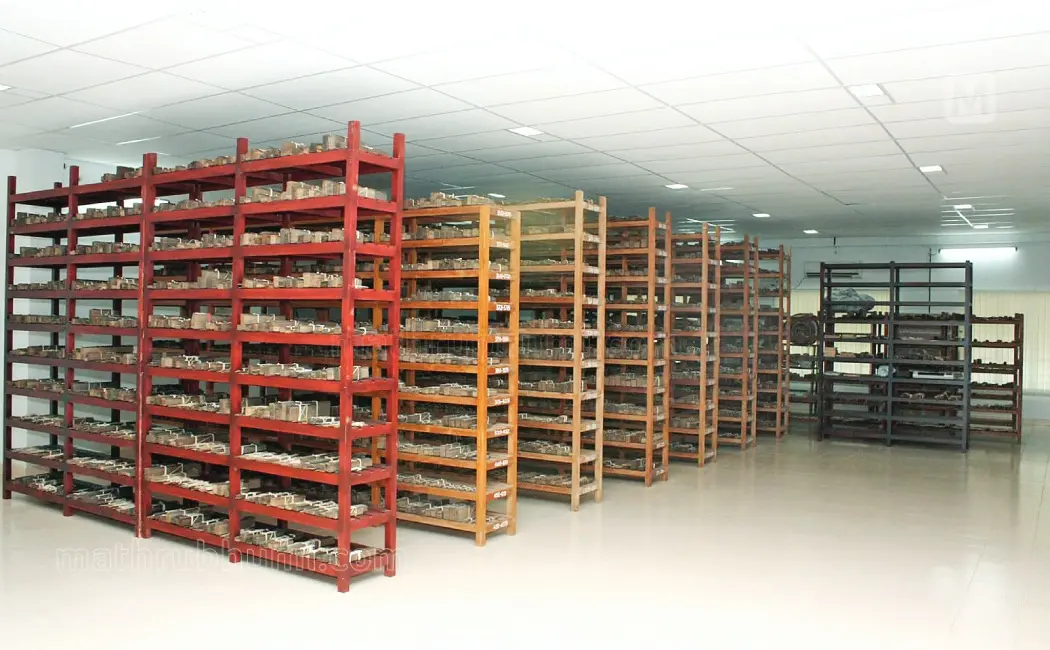
Tenhipalam: The Thunchan Manuscript Repository in Calicut University, the second largest library in Kerala, is home to an impressive collection of over 8,500 palm leaves. These ancient manuscripts, dating back centuries, offer a glimpse into the rich knowledge of the past. These manuscripts, which were originally written on Kudappanyola (a type of palm leaf), were carefully preserved in wooden boxes and shelves infused with spices such as black pepper, cardamom and long pepper to protect them.
The palm leaf collection at the university began in 1972, with Malayalam professors from the university gathering manuscripts from temples and homes stretching from Thrissur to Kasaragod. The collection now includes 28 varieties of texts covering different subjects such as astrology, medicine, grammar, kalari, interpretations, dictionary, tantra, mathematics, national history and more.
A rich collection of ancient texts
The repository has manuscripts in multiple languages, including Malayalam, Sanskrit, Tamil, Kannada, Telugu and Pali, and also in various scripts such as Grandhavari, Vattezhuthu and Kolezhuthu. Among the most valuable texts are over 500 copies of Adhyathma Ramayam, with many of the works focused on Ayurveda, the traditional Indian system of medicine. The library's collection also includes two volumes of descriptive catalogues, detailing around 2,000 palm leaves, and a vast collection of nearly 500 digitised Ayurveda texts.
One of the most notable works in the collection is the Bharatham-Harivamsam, a palm leaf manuscript that stretches a full metre in length. In contrast, the smallest text in the collection is a palm leaf manuscript of Mantras, which is just five centimetres long and two and a half centimetres wide. The oldest manuscript in the library is the Tantra Samuchaya, transcribed in 1719. A rare copy of ‘Thirunizhalmala,’ recovered from Kannur, is also part of the library's treasure trove.
Conservation efforts to protect the ancient palm leaves
The preservation of these delicate manuscripts is a challenging task. The main enemy of the palm leaves is silverfish or bookworms, which can damage the fragile material. To protect the manuscripts, the university uses a two-pronged approach: rubbing isopropyl alcohol mixed with lemongrass oil on the leaves in 3:1 ratio at least once a year, and storing the collection in a room equipped with air conditioning to maintain optimal conditions for preservation.