Kerala aims to achieve legacy waste-free status by next year; biomining progresses at 37 sites
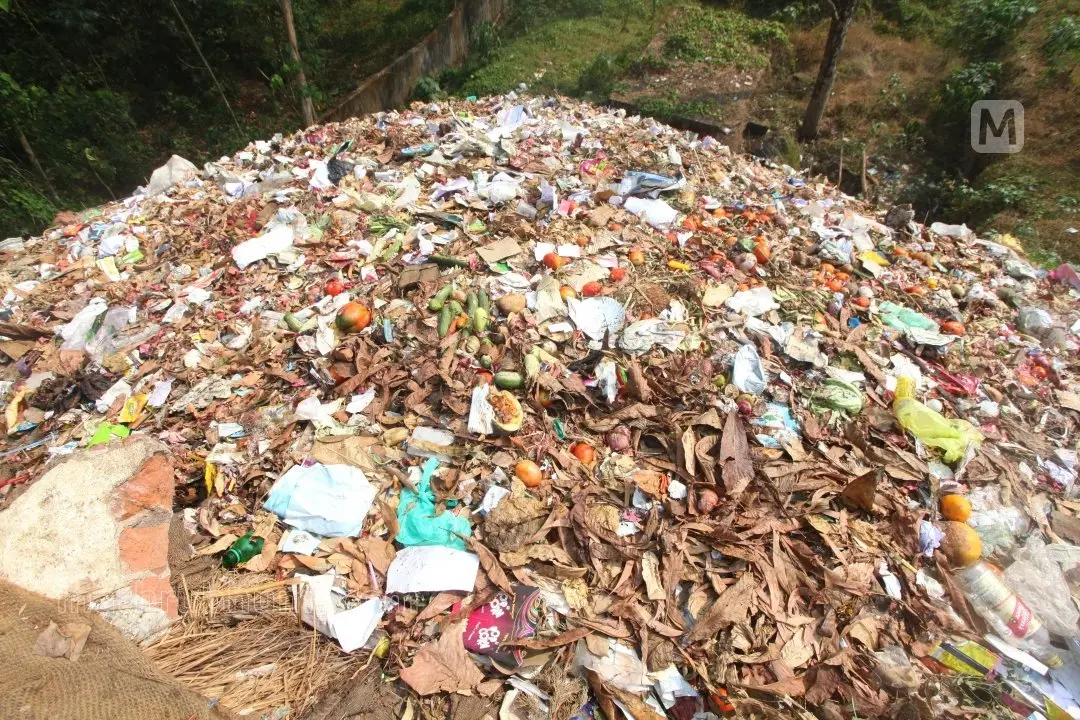
Thiruvananthapuram: The Kerala government is working towards completing biomining at 37 legacy waste sites in the state. The process is underway, and it is expected that it will be completed by next year, with the state aiming to achieve a legacy waste-free status.
Legacy waste refers to municipal solid waste that has been accumulated and stored over extended periods, often for a decade or more, typically on barren land or in landfills. Such waste is commonly seen as towering mounds in towns, suburbs, or even rural areas.
Biomining and bioremediation are the two processes employed to address these waste sites. Biomining uses microorganisms to extract valuable metals from waste, thus reducing its volume and recovering resources. Bioremediation, on the other hand, employs microbes to degrade or detoxify hazardous substances within the waste, thereby mitigating environmental contamination. Together, these methods facilitate the cleanup of legacy waste sites by reducing toxicity and recovering useful materials, promoting environmental sustainability and resource efficiency.
The government has already reclaimed 124 acres of land through biomining and bioremediation, amounting to 2.17 lakh cubic metres. Recovered sites include Kureepuzha in Kollam and Choolpuram in Thrissur’s Guruvayur.
Kerala has signed a contract with SMS Ltd. of Nagpur to remove 4.5 lakh metric tons of traditional waste from the state’s solid waste management programme, with support from the World Bank and the Asian Infrastructure Investment Bank.
In the first cluster, 12 waste sites will be cleared at a cost of Rs 46.35 crore, while eight sites in the second cluster will be cleared at a cost of Rs 48.89 crore. Approximately 5.60 lakh cubic metres of waste is estimated to be spread across 20 sites.
The segregated soil and compost from the waste dumps will be utilised for agricultural purposes, while metals, construction materials, and glass will be recycled. Non-processable items will be used for landfilling, and the remaining waste will serve as fuel in cement factories.