Stripped of land, tribes in Attappady fight mafia and corrupt officials
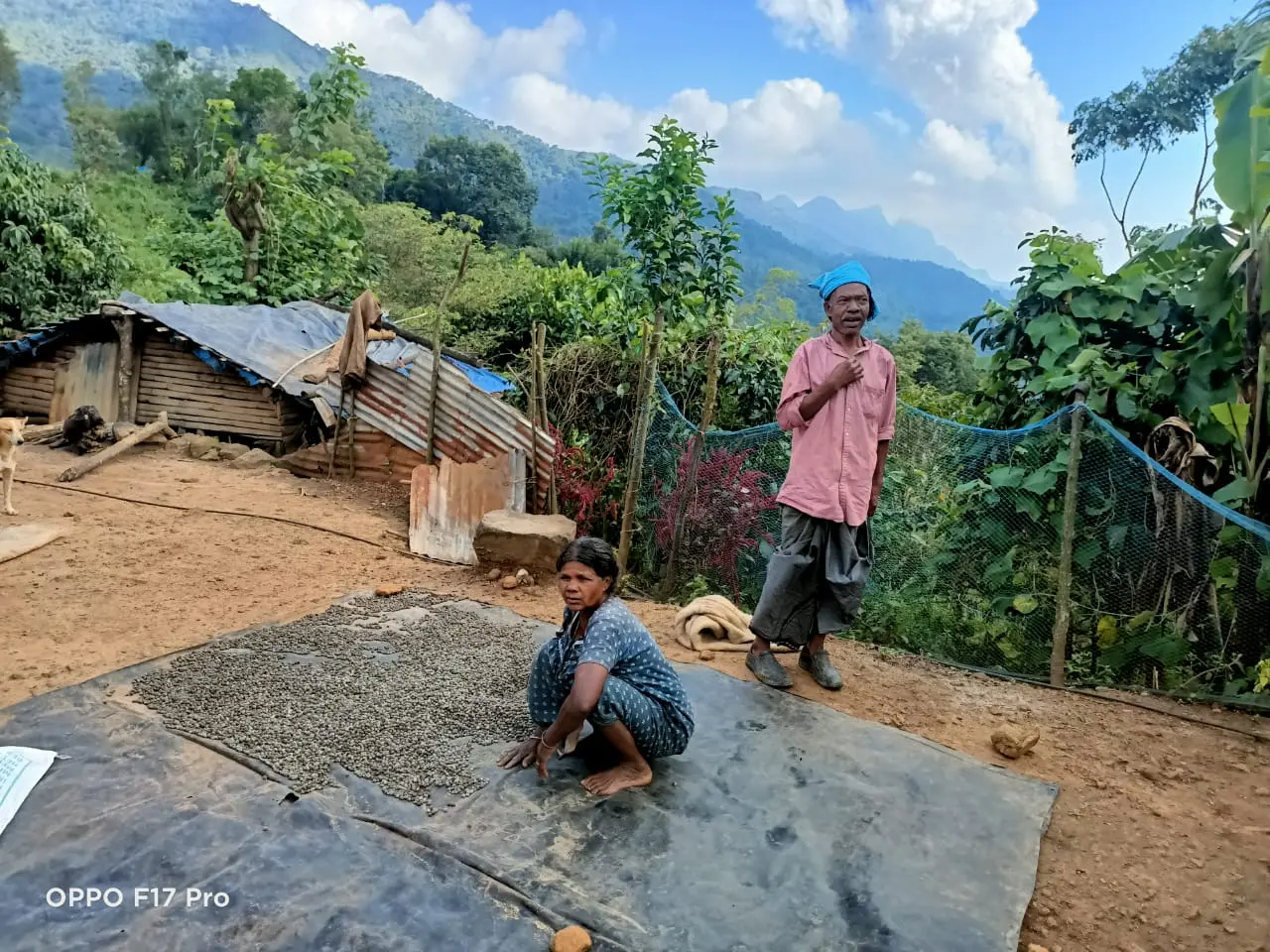
Attappady: At a time when the state government claims that measures are in full swing to protect the rights of tribes in Attappady settlements, hundreds are fighting tooth and nail to get back their land snatched by people inside and outside the state. The land grabbers allegedly include noted politicians and bureaucrats as well.
Nanchiyamma, who won the hearts of the entire Kerala folk through her song in the movie 'Ayyappanum Koshiyum', is also one among the tribes who lost land.
Mathrubhumi.com during a visit to Attappady met hundreds of tribes who kept complaining of a real estate mafia in Attappady working hand-in-glove with government officials to snatch land from them.
Sharing her experience, Nanchiyamma said: “My family had 4.80 acres of land near Agali government hospital. We used to cultivate ragi and other pulses. One day, a person from Tamil Nadu encroached our land claiming the land belonged to them. He drove us away from the land. He was part of a real estate mafia here. We were helpless and approached the court,” said Nanchiyamma.
It has been over ten years since she started a legal fight against them to get back the land. “I hope I will get justice. There is no one to question if a tribe's land is encroached. Officials work closely with them.”
She also opined that the massive land alienation is a threat to the entire tribes in Attappady. “Government must do the needful in getting back the lost lands. Now we have no land to cultivate. The government is less sincere in addressing the issues of adivasi people and priory must be given to return the lost lands.”
Nanchiyamma's issue is not an isolated incident. Nearly half of Pattanakkallu tribal settlement was occupied by settlers from Tamil Nadu. “We filed a case against them and the issue is in court” said Latha, tribal animator and a resident of Pattanakkallu.
There are instances where concerned village officers did not allow tribals to pay land tax despite getting it back legally. CK Perumal in Pettikkal adivasi settlement was not allowed to pay land tax by a concerned village officer. “My four acres of land was encroached and I approached the district collector. Finally, after years of fighting, I got back the land. However, the village officer now does not allow me to pay tax,” said Perumal.
Land alienation causes infant deaths
Due to this, a good majority of the tribes in Attappady have no land for cultivation. Alienation of land was pointed out as one among the key reasons for infant deaths in Attappady.
Earlier, the tribes here used to cultivate and eat ragi, maize, pulses etc. These were the traditional food of tribes and their old generations were healthy. However, the intake of food has come down soon after they stopped farming and started depending completely on food grains supplied through ration shops.
The tribes eat only twice a day. “We eat rice and tomato curry in the morning at 11 and the same at 7pm. This is what we eat,” said Valli, a resident of Melethodukki settlement.
Health experts point fingers at nutrient-free food as the key reason for malnutrition among the tribal population. “A weak population cannot give birth to healthy children. Nearly 50 percent of the women population are underweight,” said a doctor at Kottathara Government Tribal Specialty Hospital.
Land alienation started years back
Land alienation in Attappady started decades back. The lands of tribals have been occupied forcefully by settlers with the help of a real estate mafia functioning here.
The tribes in Attappady are classified into three categories; Kurumba, Irula and Muduga. Kurumbas live deep inside the forests in 19 settlements of Pudur. Whereas, most of the Irula and Muduga populations live on revenue lands of Pudur, Agaly and Sholayur. A few among the settlements of Irula and Muduga are in forest lands.
There are 149 settlements for Irula and 24 for Muduga. In total there are 192 settlements.
A brief history of Attappady
The people living in revenue lands are the victims of land alienation. Whereas, the tribes inside the forests get land for cultivation from the forest department but the custodian of the land remains the forest department only.
The entire Attappady region comprises 1,80,000 acres which belonged to Thathunny Mooppil Nair till 1960. Soon after the formation of the state of Kerala, nearly 35,000 acres of land was identified as reserve forest and the remaining became revenue land. The tribes of Attappady were given the right to live on the land. Meantime, many of them living in revenue land received pattayam. Forest department provided land for cultivation for tribes inside the forest as well.
Real estate mafia works hand-in-glove with government officials
“The acres of land in the hands of Attappady tribes was something lucrative for the real estate mafia here. By forging documents, they seize the lands of tribals without their knowledge. Those who resisted the moves of the real estate mafia were killed. There are many unsolved murder cases in Attappady. The entire government system here functions against the tribes,” said VS Murugan, Secretary of Attappady Action Council.
Murugan also claimed that his family has lost nearly 12 acres of land. “People from Tamil Nadu encroached our land. The case is going and I hope we will get justice.”
When Mathrubhumi.com contacted the district collector, she claimed ignorance. However, Attappady Tehsildar Vinuraj R said: “Majority of the tribes are illiterate. Some agents and middlemen may approach them in the pretext of providing help. Gradually, they snatch properties without their knoweledge. Now we don't promote such people and urge all tribes to approach us directly to solve issues.”
He also said that nearly 4,000 applications for 'pattayam' (ownership of land) are pending.
Seema Bhaskar, coordinator of Nation Rural Livelihood Mission projects, who worked in Attappady before said that all the land transactions taking place in Attappady are illegal. Even government officials help real estate mafia to forge documents in snatching land from tribes.