Aranmula Vallasadya: Rituals, menu, and significance of the sacred feast
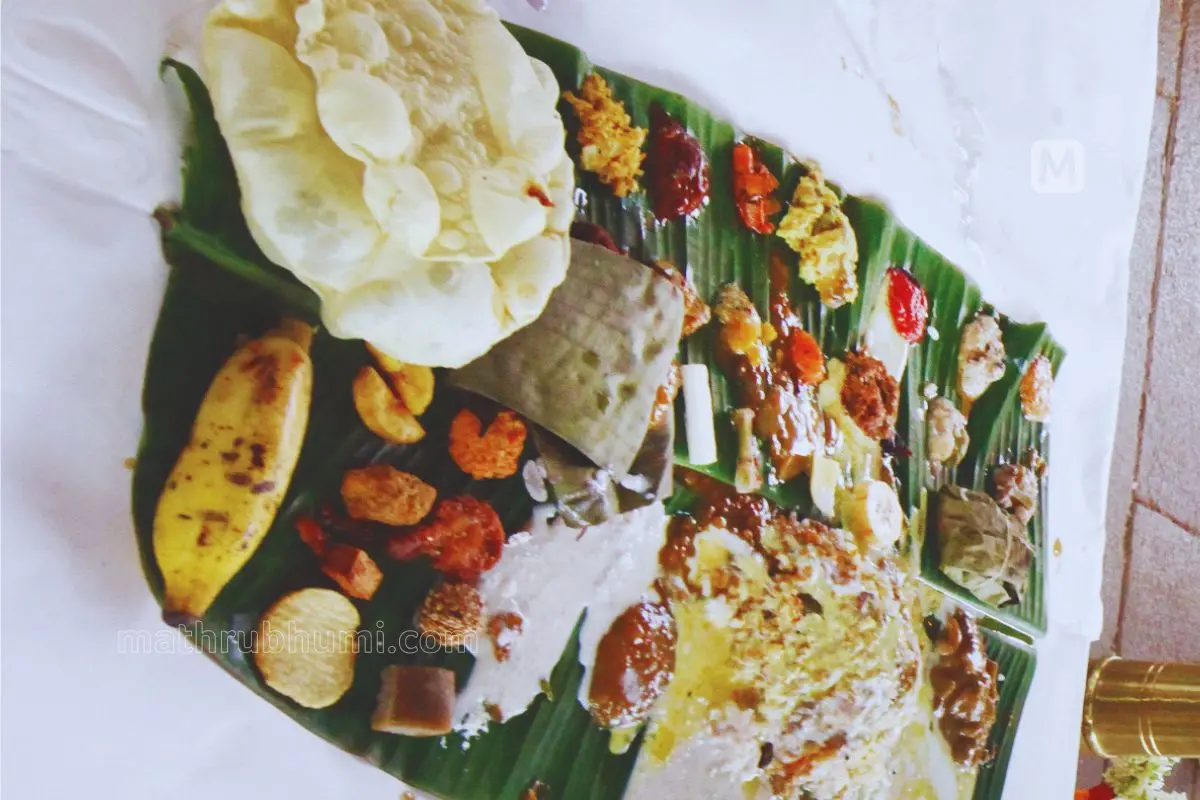
Pathanamthitta: The Aranmula Vallasadya will take place from July 13 to October 2, with the Palliyoda Seva Sangham and the Travancore Devaswom Board jointly coordinating this grand ritual feast at the historic Aranmula Parthasarathy Temple. Organisers have announced that 500 Vallasadyas are planned for the season, with 390 already booked, according to officials.
To accommodate the large number of participants, 15 sadya halls have been arranged, and 15 food contractors have been tasked with preparing the elaborate meals. Traditionally, nearly 70 dishes are served on banana leaves and requested by the devotee, by singing offering the Sadya. These custom requests are managed through a pass system.
Dates to remember
Highlights of the Vallasadya season include major events such as the Thiruvonathoni Varavu on September 5, Uthrattathi Jalamela on September 9, and the Ashtamirohini Vallasadya on September 14.
A tale of traditions
Widely celebrated as one of the world’s most unique food festivals, the Aranmula Vallasadya is renowned for its culinary diversity and devotional fervour. Nearly two lakh devotees are expected to visit the Aranmula temple during the brief Onam season to partake in the feast and offer prayers. Rooted in centuries-old traditions, the Vallasadya seamlessly blends spiritual significance with communal celebration.
After the feast, the ritual concludes with the offering of para (measured rice offerings) at the base of the temple flagpole, symbolising a blessing for the artisans and participants.
The rituals
Each day, a Vallasadya is held for the pilgrims who accompany the Thiruvonathoni, turning the occasion into a vibrant celebration of Central Travancore’s culinary heritage. The ritual begins early in the morning, as the devotee sponsoring the Sadya offers nirapara (rice offerings) at the flagpole, one para for the deity and one for the temple, marking the formal start of the day’s ceremonies.
Garlands, betel leaves, and paakku (areca nut) are then sent from the sanctum sanctorum to the devotee’s Palliyodam (temple boat). As the boat approaches the temple, it is welcomed ashore with a ceremonial ensemble that includes Vanchi Pattu (traditional boat songs), Ashtamangalyam, Thalapoli, and the colourful Muthukkuda (ornamental umbrellas). Oars and umbrellas are presented to the deity before the boatmen are served the Sadya at the Oottupura (temple dining hall).
A musical journey
A distinctive custom of the Valla Sadya is the rowers' musical requests for dishes, sung through boat songs. It is considered a sacred obligation to serve every requested item without refusal. The feast includes an astonishing nearly 70 varieties of vegetarian dishes, making it one of the most elaborate meals offered in any temple tradition.
There are defined rituals and protocols for both serving and eating the meal. One unique feature of the Aranmula Vallasadya is the serving of payasam after sambar, a culinary tradition preserved exclusively in this ritual.
Items included (may vary a little)
Rice, lentils, pappadam, ghee, aviyal, sambar, toran, pachadi, kichadi, lemon pickle, ginger curry, kadumanga, uppumanga, roasted erisseri, kalan, olan, rasam, set curd, buttermilk, prathman, upperi, kathali pazham, sesame seed balls, vada, unniappam, kalkandam, jaggery/sugar, grapes, sugarcane, mezhukkupuratti, chammanti powder, spinach thoran, honey, thakara thoran, amla pickle, inji thayir (ginger curd). Papadam should be big and small. Upperi is four sets. Payasam is also usually four sets. Adaprathaman, jaggery payasam, palpayasam, payar payasam. Apart from this, there are also madantha ila thoran, ripe mango curry, pazham nurukk, paala thayir, milk, and butter.