Anticipatory bail: Awaited SC ruling on Kerala lawyers’ association case likely to reshape process
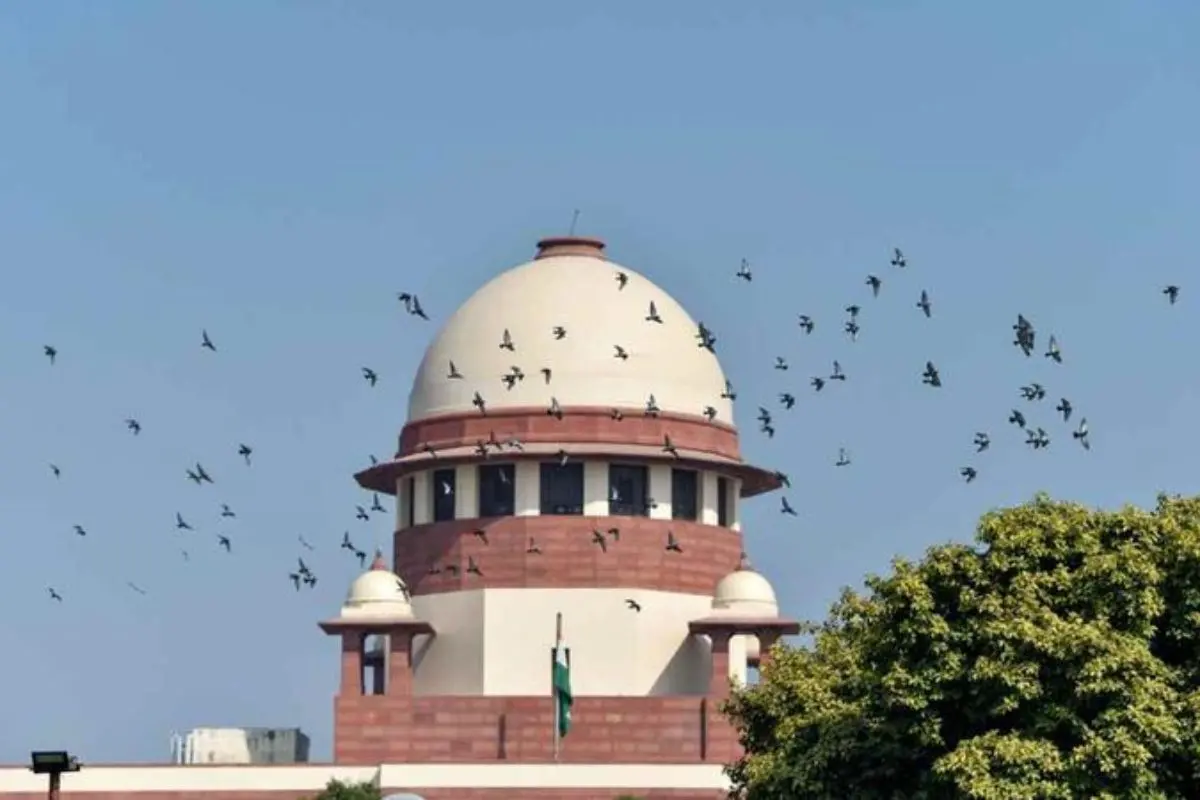
New Delhi: The Supreme Court on Wednesday referred to a three-judge Bench the question of whether litigants have the “choice” to approach High Courts directly for anticipatory bail, or must first apply to a Sessions Court.
A bench of Justices Vikram Nath and Sandeep Mehta said, “This matter requires to be heard by a three-judge bench,” and posted it for hearing once the larger Bench is constituted.
Senior advocate Siddharth Luthra has been appointed amicus curiae to assist the court in the matter.
What prompted the Supreme Court intervention?
The top court had previously noted the Kerala High Court’s “regular practice” of entertaining anticipatory bail applications directly, without the petitioner moving the Sessions Court.
“One issue which is bothering us is, in the Kerala High Court there seems to be a regular practice that the high court entertains the anticipatory bail applications directly without the litigant approaching the sessions court. Why is that so?” the bench had asked during a September 8 hearing.
The apex court observed that other states do not follow this practice, highlighting a hierarchy in the erstwhile Code of Criminal Procedure and the Bharatiya Nagarik Suraksha Sanhita (BNSS), 2023. Section 482 of the BNSS deals with directions for granting bail to persons apprehending arrest.
Case that triggered the scrutiny
The observations arose during the hearing of a plea by two men challenging the Kerala High Court’s rejection of their anticipatory bail petition. The bench noted that the petitioners had approached the High Court directly, bypassing the Sessions Court.
The court expressed concern that this practice might prevent proper facts from being placed on record, which would otherwise have emerged in the Sessions Court. “We are inclined to consider this aspect and decide the issue as to whether the option to approach the high court would be at the choice of the party or it should be mandatory that the accused should first approach the sessions court,” the bench added.
Kerala High Court Advocates’ Association intervenes
The Kerala High Court Advocates’ Association (KHCAA) has sought to be impleaded in the case, opposing restrictions on High Court discretion. The Association argued that limiting High Court jurisdiction could amount to judicial overreach and undermine legislative intent and fundamental rights to personal liberty.
KHCAA cited Sections 438 CrPC and 482 BNSS, which confer concurrent jurisdiction on High Courts and Sessions Courts, and highlighted that the statute uses “or,” allowing petitioners to choose their forum. The Association also referenced the 2003 Kerala High Court division bench ruling in Balan v. State of Kerala, confirming that accused persons may approach the High Court directly.
How Kerala’s system differs
KHCAA noted that Kerala’s integrated online case management system allows immediate access to trial court records, ensuring prompt handling of anticipatory bail applications. This, they argued, mitigates concerns of delays or prejudice that the Supreme Court sees in other states.
Next steps
Justices Vikram Nath and Sandeep Mehta agreed to hear KHCAA’s submissions but referred the matter to a three-judge Bench for final determination. The larger Bench will decide whether High Courts may continue the practice of hearing anticipatory bail pleas directly or require petitioners to first approach Sessions Courts.
The verdict is expected to have wide implications for anticipatory bail practices and judicial discretion in Kerala.