Rising amoebic encephalitis: Healthcare experts stress on research and water safety
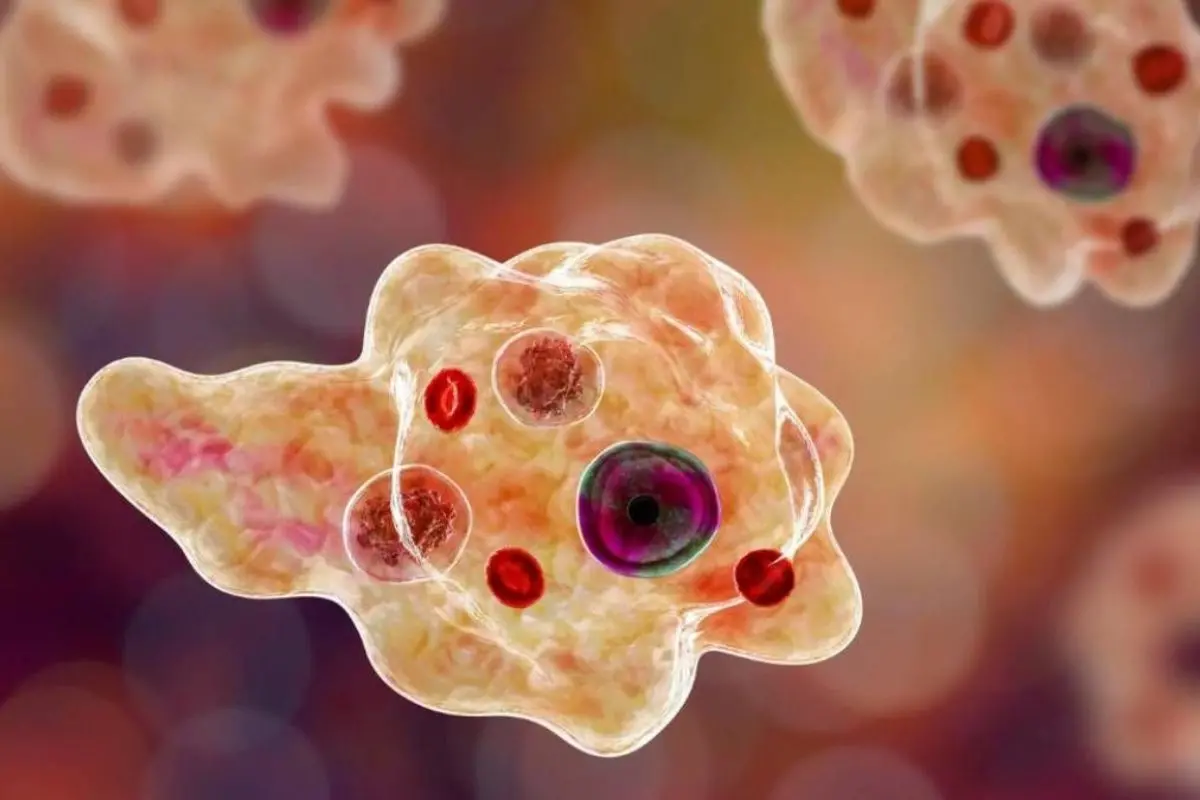
Kozhikode: Cases of amoebic encephalitis are rising at an alarming rate, with experts noting that the disease has evolved significantly compared with two years ago. Until recently, primary amoebic meningoencephalitis caused by 'Naegleria fowleri' was most common. Now, subacute meningoencephalitis, an early stage of granulomatous amoebic encephalitis, is becoming widespread.
Dr AS Anoop Kumar, director of the Critical Care Medicine Department at Aster MIMS, Kozhikode, said the shift is linked to amoebae such as 'Acanthamoeba' and 'Balamuthia'. Unlike 'Naegleria fowleri', which enters the brain directly through the cribriform plate of the nose during activities like diving or splashing in stagnant, contaminated water, these amoebae are believed to enter the bloodstream through inhalation of water droplets or through skin wounds exposed to contaminated water, eventually reaching the brain.
No definitive reason has been found for the increased presence of these amoebae in water sources. Dr Anoop stressed that further research is needed, along with measures to eliminate factors that promote their spread and protect water sources from contamination.
He added that contamination of water sources is a major factor behind the rising cases. Such amoebae are often found in water with high levels of coliform bacteria. Poor drainage systems and the proximity of houses, which allow water from septic tanks to mix with wells, are also thought to contribute to the increase.
Dr Abdul Rauf, consultant paediatric intensivist at Baby Memorial Hospital, Kozhikode, said there are notable differences between this year’s outbreak and last year’s. Last year, symptoms appeared within days of immersion in stagnant water and worsened rapidly, typically caused by 'Naegleria fowleri'. This year, symptoms have generally appeared about two weeks after exposure.
Dr Rauf explained that amoebae such as 'Acanthamoeba' and 'Balamuthia mandrillaris' take several days to become active after entering the body. Climate change, potential changes in the amoebae themselves, and the initiation of testing all encephalitis cases may also have contributed to the rise in infections. He emphasised that only further studies can clarify these factors fully.