No share transfer without state nod; Adani Ports clarifies on Vizhinjam-MSC deal
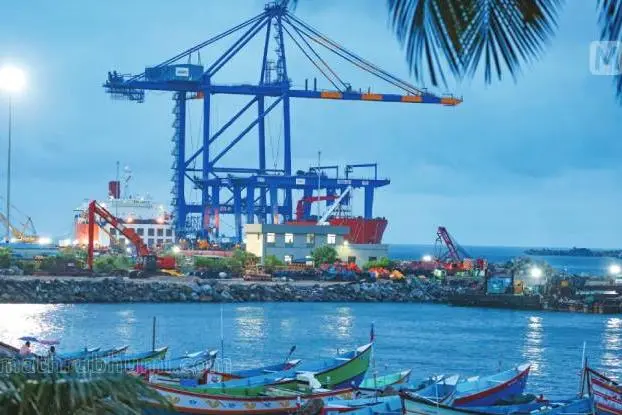
Vizhinjam: Adani Ports CEO Ashwani Gupta has said the proposed sale of a 49% stake in Vizhinjam International Seaport to Mediterranean Shipping Company (MSC) will be completed only after obtaining the Kerala government's approval, as required under the concession agreement. He also maintained that the company is following all regulatory requirements and that Adani Group will continue to remain the controlling stakeholder in the port.
In an interaction, Gupta responded to questions related to the proposed deal, government approval, concession agreement provisions, monopoly concerns, national security and future investment plans.
Was the state government informed about the agreement?
The proposed transaction involving Adani Vizhinjam Port Private Limited (AVPPL), a subsidiary of Adani Ports and Special Economic Zone Limited (APSEZ), is being pursued in compliance with SEBI regulations, Ashwani Gupta said.
He noted that there has been no change in the shareholding structure of AVPPL at present. According to him, the Kerala government was informed after the disclosure was made through stock exchange filings.
Gupta also said Vizhinjam's growth has been made possible by the support extended by the state government. He added that all future actions related to the transaction would be carried out in accordance with the government's directions and applicable requirements.
Has the concession agreement been violated?
A legally binding agreement has been announced for the sale of a 49% stake in the project to MSC, Gupta said.
However, he clarified that under the concession agreement, the actual transfer of shares can take place only after obtaining the Kerala government's approval. He pointed out that such approval cannot be sought in advance without a legally valid agreement being in place.
Gupta reiterated that even after the proposed transaction, the Adani Group will remain the majority shareholder and continue to control the port's operations. He also said the company has no concerns regarding the political debate surrounding the deal.
Will the deal lead to monopolisation?
Rejecting concerns over monopolisation, Gupta said Vizhinjam will continue to function as an open-access port where all shipping lines will have the freedom to operate.
He said MSC will not receive a dedicated berth or any special privileges merely because it becomes a shareholder in the project.
According to Gupta, MSC's participation could open the door for further investments in Kerala. He said the global shipping giant is also expected to invest in maritime infrastructure and related sectors, helping strengthen Kerala's position as a global maritime logistics hub.
Could the deal affect national security?
On concerns related to national security, Gupta noted that MSC already has shareholding interests in other ports across India.
He said the company's operations are subject to all applicable laws and regulations in the country. Gupta added that the partnership could also help attract cargo currently handled by the Port of Colombo and support Vizhinjam's efforts to emerge as a major transshipment hub in the region.
Will investments exceed the announced amount?
There is currently no possibility of investment exceeding the amount already announced for the project, Gupta said.
He reiterated that ₹16,000 crore has been set aside for the second and third phases of Vizhinjam port's development, and that those expansion plans remain unchanged.