214 rare fauna species in Kerala on the verge of extinction
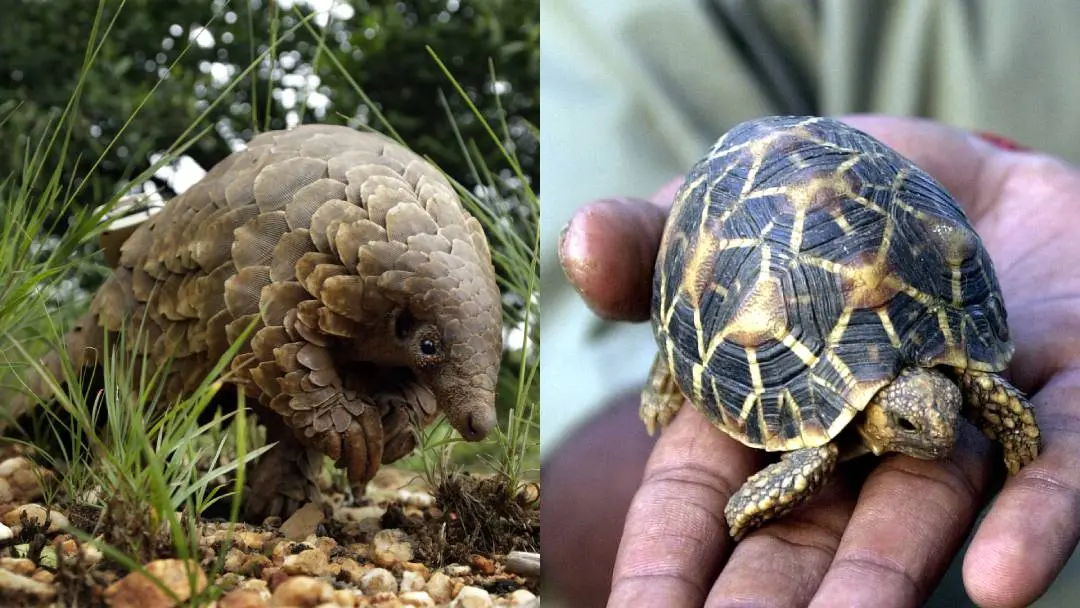
Kozhikode: A study conducted by the Kozhikode regional centre of Zoological Survey of India found that 214 species in Kerala including ‘Vellimoonga’ (silver owl), ‘Kuttithevangu’ (slender loris), ‘Thookkanam Kuruvi’ (swallow), ‘Chenkaniyan’ (Miss Kerala) and ‘Nakshatra Aama’ (star tortoise) are under the threat of extinction. Though these species were enlisted in the Red List of threatened species issued by International Union for Conservation of Nature (IUCN), the recent study indicates that even more species are endangered in the state, which are yet to be identified.
31 species of mammals, 20 birds, 54 reptiles, 54 frogs, 38 dragonflies, 35 freshwater fish, 15 freshwater crabs, 4 tiger spiders, 3 shellfish varieties were found as threatened species. Kerala Biodiversity Board has recommended to include 3 mammals, seven birds, 2 reptiles, 3 frogs, 9 freshwater fish, 5 butterflies, 2 dragonflies and 4 freshwater plant species that are critically endangered in the section 38 of Biodiversity Act for better conservation measures.
Due to the craze for ornamental fauna and flora market and exploitation for food, 8 mammal species, 15 birds, 10 reptiles, 3 frogs and 17 freshwater fish are threatened in Kerala. The fish popularly known as ‘Miss Kerala’ is on the verge of extinction by exploitation as an ornamental fish species.
Sand boa, slender loris, otters, pangolin, silver owl, varieties of civet cats, parrots, swallows, star tortoise, python and monitor lizards are threatened due to hunting and illicit wildlife trade.
Influence of alien species and uncontrolled fishing have endangered rare fish varieties like snake head, basa fish, walking catfish and so on.
It is for the first time Kerala conducted a detailed study on endangered species at regional level. The research was led by former chief of Zoological Survey Kozhikode centre Dr PM Sureshan, Dr Subrahmanian from Chennai centre, Dr Jaffer Palott from Pune centre with the financial assistance from State Biodiversity Board. Apart from this, 45 researchers from 18 institutes also joined the team. The final report has been submitted to the Biodiversity Board.