Why Chidambaram wants Gyanesh Kumar surcharged as ECI orders voter list revision in 17 states
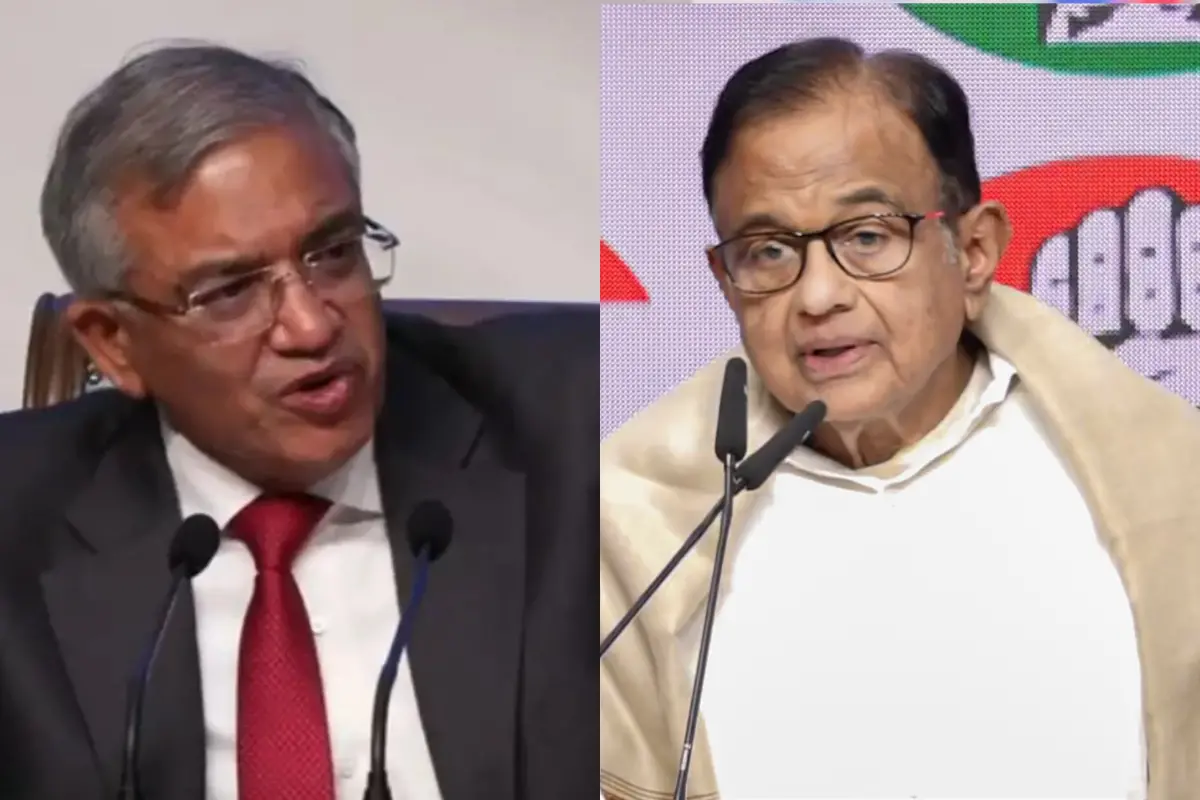
Congress leader P Chidambaram on Friday accused the Election Commission of India (ECI) of mishandling the revision of electoral rolls and demanded that Chief Election Commissioner Gyanesh Kumar be held financially accountable for what he described as unnecessary expenditure on the voter-list exercise.
His remarks came a day after the ECI announced a Special Summary Revision (SSR) of electoral rolls across 17 states and Union Territories, amid protests over the Special Intensive Revision (SIR) and growing judicial scrutiny of the poll body's actions.
In a post on X, the former Union finance minister alleged that the ECI had removed 13.3 crore names, including those of deceased voters, without due process during the SIR exercise. He questioned why the intensive revision had been conducted in 20 states and Union Territories while the remaining 17 had been assigned the regular summary revision.
"After the protests and the notice issued by the Supreme Court, wisdom has dawned on the ECI and Mr Gyanesh Kumar," Chidambaram wrote.
He argued that the decision to conduct SSR in the 17 states meant voters there would not have to produce documents to prove their citizenship as part of the intensive revision process.
Chidambaram also questioned the need for a fresh exercise to enrol voters who may have been left out of the electoral rolls, after the earlier revision had allegedly resulted in large-scale deletions.
"After removing crores of names illegally, now the ECI has undertaken another exercise to include the 'left out' voters! Mr Gyanesh Kumar should be surcharged for the double expenditure," he said.
Also read | Supreme Court issues notice to EC, Gyanesh Kumar over voter deletions in SIR exercise
Supreme Court notice adds to scrutiny of ECI
The Congress leader's criticism followed the Supreme Court's decision on Thursday, October 15, to issue notice to the ECI and Chief Election Commissioner Gyanesh Kumar in connection with petitions challenging aspects of the SIR exercise.
The court's intervention came amid protests by opposition parties against the voter revision process and their demands for accountability from the poll body. The notice seeks a response from the authorities; it does not amount to a finding that the ECI acted unlawfully.The dispute has centred on concerns over voter deletions, documentation requirements and the procedures used to verify electoral eligibility.
Also read | Centre defends Delhi internet shutdown before Supreme Court; Home Secretary apologises
What the ECI announced for 17 states and UTs
The ECI has directed 17 states and Union Territories to undertake SSR of electoral rolls, with January 1, 2027, set as the qualifying date. The exercise is being conducted under Section 21 of the Representation of the People Act, 1950, to update voter lists and enrol eligible electors.
The states and UTs covered are Andaman and Nicobar Islands, Assam, Bihar, Chhattisgarh, Goa, Gujarat, Kerala, Lakshadweep, Madhya Pradesh, Manipur, Puducherry, Punjab, Rajasthan, Tamil Nadu, Uttar Pradesh, Uttarakhand and West Bengal.
The schedule sets November 2 as the deadline for rationalising polling stations. Draft electoral rolls will be published on November 12, with claims and objections accepted until December 11. The submissions are scheduled to be processed by December 28, while the final electoral rolls are due to be published on January 4, 2027.
The Commission has said that the SSR schedule for states and UTs where SIR is ongoing or has recently concluded will be announced separately. The schedule for Himachal Pradesh, Jammu and Kashmir, and Ladakh, where the exercise has not yet begun, will also be notified later, taking local weather conditions into account.
The SSR announcement is significant because it restores the regular voter-list revision exercise in the 17 states and UTs while the wider SIR process remains a subject of political and legal dispute.