Why Bangladesh PM's adviser did not enter India despite clearance
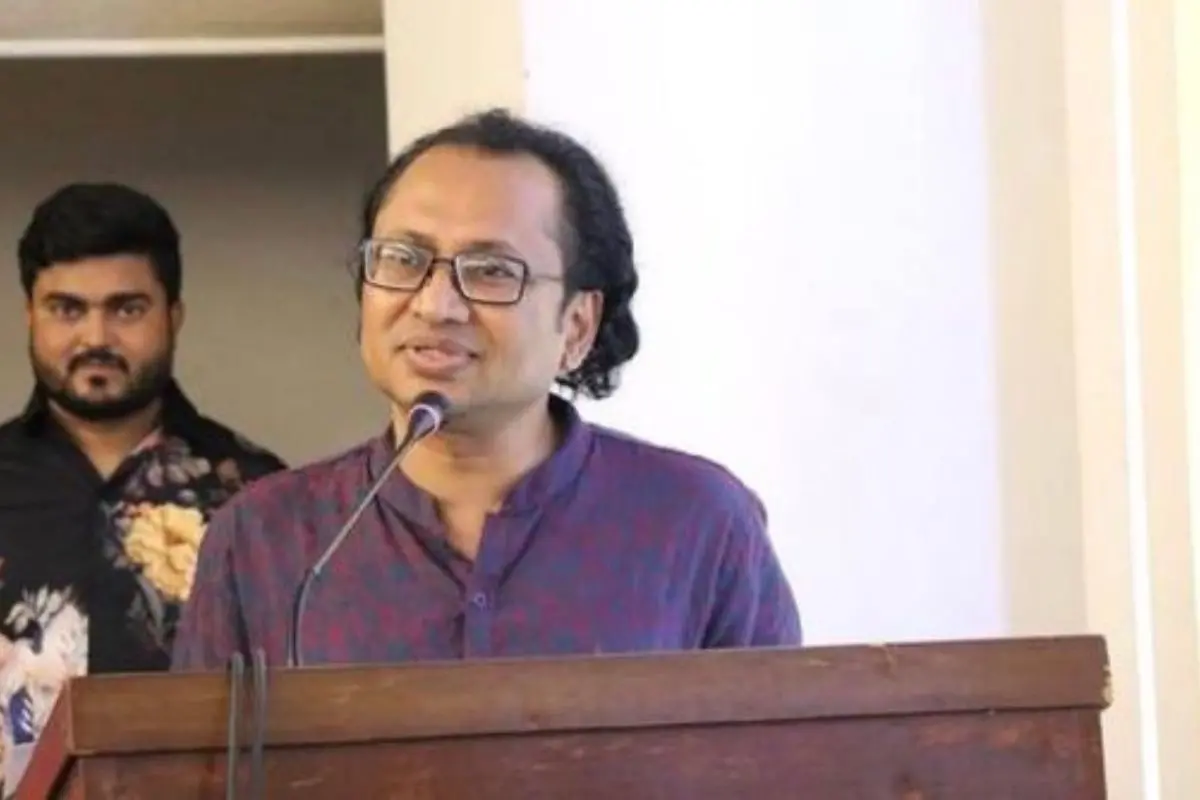
What was supposed to be a routine diplomatic visit turned into a dramatic episode that has reignited debate over India-Bangladesh relations.
On a warm June afternoon, Dr Zahed Ur Rahman, information and broadcasting adviser to Bangladesh Prime Minister Tarique Rahman, landed at Delhi's Indira Gandhi International Airport to attend a regional meeting of the Indian Ocean Rim Association (IORA).
Instead of proceeding to his official engagements, however, he found himself escorted to a separate area for what Indian authorities described as ‘additional verification.’ Minutes turned into hours.
For nearly two hours, the senior Bangladeshi official remained in limbo inside one of South Asia's busiest airports.
According to accounts from Dhaka, the questioning and delay went far beyond a routine immigration check.
By the time Bangladesh's High Commission intervened and clearance was finally granted, the damage had already been done. At that moment, Zahed Ur Rahman faced a choice.
He could proceed with his visit, attend the conference, and treat the incident as an unfortunate bureaucratic misunderstanding. Or he could send a message. He chose the latter.
Rather than stepping into India, the adviser decided to board a flight back to Dhaka. His decision transformed what might have remained an obscure airport security incident into a diplomatic controversy.
To Bangladeshi officials, the issue was no longer about immigration procedures. It had become a matter of dignity and protocol.
They argued that a senior representative of the Bangladeshi government had been subjected to treatment unworthy of his position.
Dhaka swiftly summoned India's deputy high commissioner, demanding an explanation and expressing its dissatisfaction.
Indian sources, however, insisted that there was no political motive behind the episode.
According to their version, Zahed Ur Rahman's name appeared on a security watch list, automatically triggering enhanced screening procedures. Once the checks were completed, they said, he was free to enter the country.
However, diplomacy is often shaped less by technical explanations than by perceptions.
For many observers in Bangladesh, the adviser’s decision to turn around and leave Delhi was itself a statement.
By refusing to continue his visit after being cleared, he signaled that the issue was not whether India ultimately allowed him entry, but whether the treatment he received before that point was acceptable.
The incident comes at a particularly sensitive time. Both countries have been trying to stabilize relations after months of disagreements over border management, migration issues, and regional security concerns.
Against that backdrop, a two-hour delay at an airport has suddenly become much more than an airport story.
Whether it was a routine security procedure or a diplomatic slight may remain a matter of debate. What is beyond dispute is that one decision, to leave Delhi rather than enter India, has turned a bureaucratic incident into a political and diplomatic flashpoint watched closely in both capitals.