Why Annamalai wants to quit BJP: Inside the resignation, strategy clash and plans for a new party
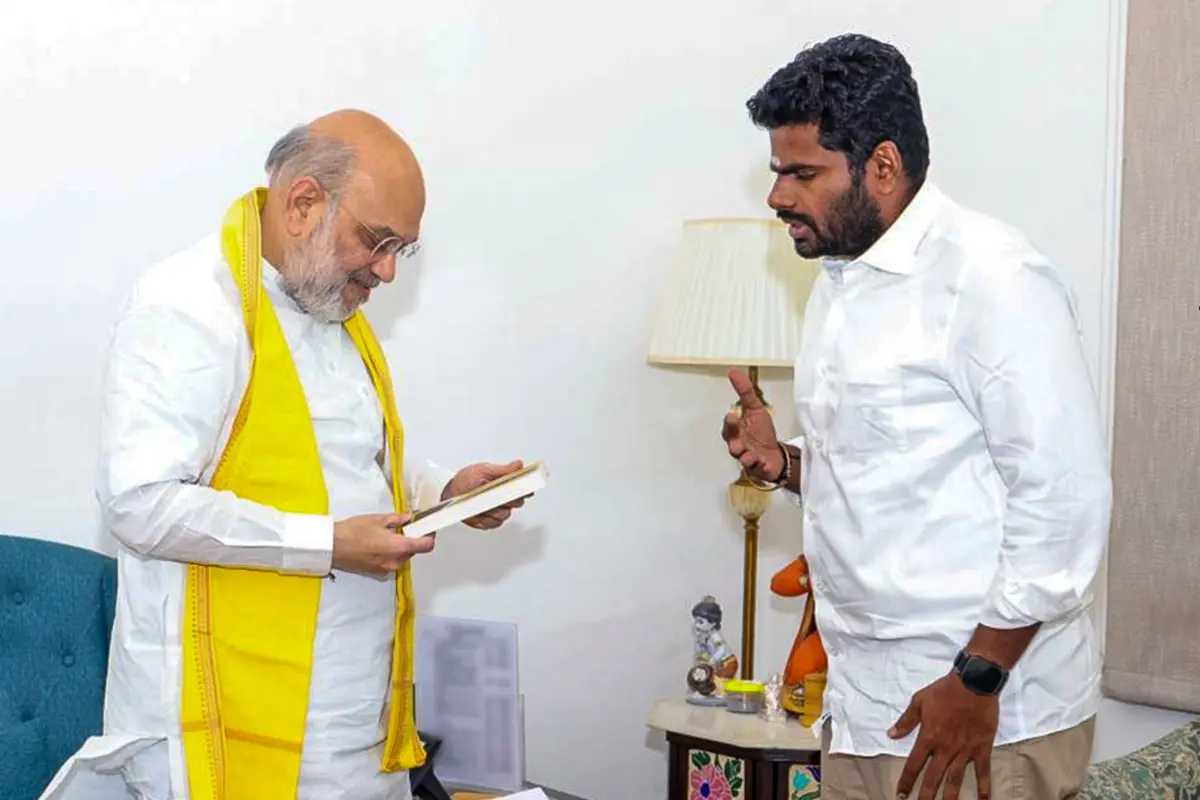
Chennai: One of the most closely watched developments in Tamil Nadu politics unfolded on Tuesday when former state BJP president K. Annamalai met senior party leaders in New Delhi amid mounting reports that he is preparing to leave the BJP and launch a new regional political party.
The former IPS officer's meetings with BJP president Nitin Nabin, BJP national general secretary (organisation) B. L. Santhosh and Union Home Minister Amit Shah have triggered intense discussion over what could become one of the biggest political realignments in Tamil Nadu in recent years.
What happened?
According to multiple reports, Annamalai submitted a five-page resignation letter to the BJP leadership during his visit to New Delhi.
Sources indicate that he informed party leaders that he wanted to "chart his own course" politically and preferred to part ways with the BJP on cordial terms.
While there has been no official confirmation from the BJP regarding acceptance of any resignation, reports suggest Annamalai remained firm despite efforts by senior leaders to persuade him to stay.
Why does Annamalai want to leave the BJP?
At the heart of the reported split is a disagreement over political strategy in Tamil Nadu.
1. Differences over the AIADMK alliance
Sources claim Annamalai was unhappy with the BJP's decision to revive its alliance with All India Anna Dravida Munnetra Kazhagam.
Throughout his tenure, Annamalai reportedly advocated building the BJP as an independent force in Tamil Nadu rather than relying on alliances with established Dravidian parties.
He is believed to have argued that long-term growth required creating a strong grassroots organisation capable of competing on its own.
However, the BJP's national leadership reportedly prioritised a broader anti-DMK electoral strategy, leading to differences between Annamalai and central decision-makers.
2. Disagreements over candidate selection
Reports suggest Annamalai was also dissatisfied with certain candidate-selection decisions ahead of the Tamil Nadu Assembly elections.
According to sources, he felt local realities and organisational considerations were not always reflected in decisions taken at the national level.
3. Limited political space within the BJP
Party insiders quoted in reports claim Annamalai conveyed that he no longer sees a viable long-term political future for himself within the BJP's current structure in Tamil Nadu.
Even after discussions regarding possible national-level responsibilities and a potential Rajya Sabha role, he reportedly remained unconvinced.
What is in the reported resignation letter?
The full contents of the five-page letter have not been made public.
However, reports suggest the document outlines his reasons for wanting to leave the BJP, his differences over political strategy and his desire to pursue an independent political path.
Sources indicate that the tone of the letter was respectful, with Annamalai expressing a desire to separate from the party without hostility.
Why does Annamalai think this is the right time?
Political observers believe several factors may have influenced his calculations.
Rise of Vijay's party: The emergence of Vijay and his political outfit has significantly altered Tamil Nadu's political landscape.
According to those close to Annamalai, he believes there is growing demand for alternatives beyond the traditional BJP-DMK-AIADMK political framework.
Appeal among young voters: Annamalai built a strong personal following during his years as BJP state president.
His aggressive campaigns, statewide tours and active social media presence helped him connect with young voters, professionals and first-time political participants.
Sources suggest he believes many of these supporters are looking for a political platform focused on governance, development and Tamil identity rather than traditional ideological divisions.
Opportunity for a new political space: Associates reportedly believe there is room for a party that combines regional aspirations with a national outlook while avoiding the baggage associated with existing political formations.
What kind of party is Annamalai planning?
According to reports, the proposed political party would have a "Tamil-first" and "secular" orientation.
Sources say the new outfit would seek to:
- Focus on Tamil identity and state interests.
- Maintain a national development perspective.
- Position itself as an alternative to both the BJP and the Dravidian parties.
- Attract professionals, young voters and political newcomers.
- Build an independent organisational structure rather than rely heavily on alliances.
The party could reportedly be launched within six to eight months.
Did the three-language policy controversy play a role?
Speculation surrounding Annamalai's future intensified after he publicly criticised the Union government's decision regarding the three-language formula for CBSE students.
His comments were seen by many observers as an indication that he was increasingly willing to diverge from the BJP's official position on issues affecting Tamil Nadu.
The episode fuelled rumours that differences between Annamalai and sections of the BJP leadership were widening.
Can the BJP still convince him to stay?
Reports indicate that senior BJP leaders, including Amit Shah, have attempted to persuade Annamalai to reconsider.
Sources also suggest that individuals associated with the broader Sangh ecosystem view him as a leader with significant long-term potential and would prefer him to remain within the BJP.
However, reports from New Delhi suggest Annamalai has thus far rejected proposals aimed at retaining him within the party.
Why this matters for Tamil Nadu politics
Annamalai's potential exit would be significant because he was widely credited with expanding the BJP's visibility in Tamil Nadu.
During his leadership, the party increased its grassroots activity, attracted younger supporters and gained greater media attention than at any point in recent years.
If he launches a new party, it could create another force competing for anti-DMK votes and potentially reshape political calculations ahead of future elections.
Whether the move results in a lasting political force remains uncertain, but Annamalai's next steps are likely to be among the most closely watched developments in Tamil Nadu politics over the coming months.