Who were the Cholas? PM Modi’s trip taps into Tamil Nadu’s rich imperial history
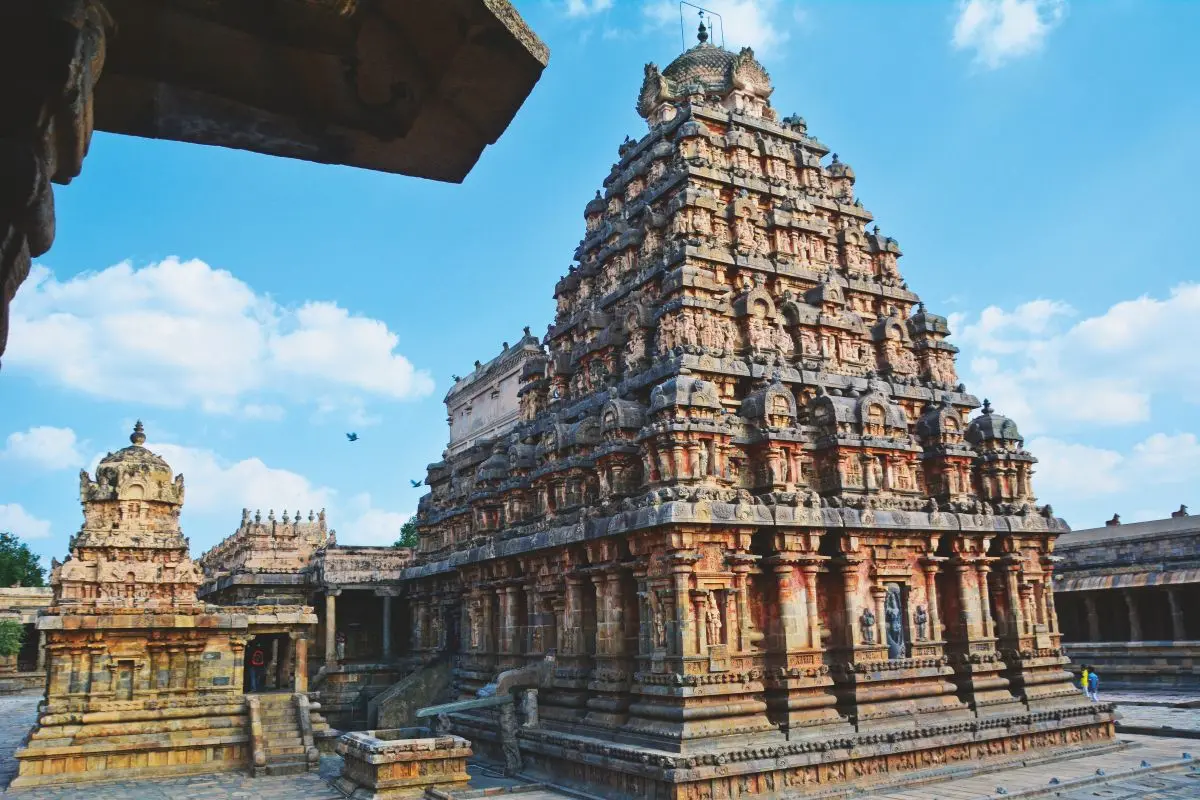
Chennai: Prime Minister Narendra Modi is set to visit Tamil Nadu on 26 and 27 July, during which he will launch a series of major development initiatives and participate in events celebrating the rich legacy of the Chola dynasty, with a particular focus on Rajendra Chola I, one of the empire’s most renowned rulers.
The visit will include a special commemoration marking 1,000 years since Rajendra Chola I’s legendary maritime expedition to Southeast Asia--a pivotal event in South Asian history that highlighted the Chola Empire’s naval prowess and far-reaching influence.
On 27 July, the Prime Minister will attend the Aadi Thiruvathirai festival at the historic Gangaikonda Cholapuram temple in Tiruchirappalli, a UNESCO World Heritage Site. Built by Rajendra Chola following his victorious campaigns, the temple stands as a symbol of the empire’s architectural and cultural brilliance. The occasion will also mark the start of conservation works at the site. A commemorative coin honouring Rajendra Chola I will be released by the Prime Minister as part of the celebration.
Who were the Cholas?
The Cholas were one of the longest-ruling dynasties in Indian history, flourishing between circa 300 BC and AD 1279. At their zenith, the Chola Empire controlled vast areas of southern India, with influence reaching Sri Lanka, the Maldives, Malaysia, Indonesia, and southern Thailand, driven by an advanced maritime trade network.
The dynasty’s most celebrated rulers, including Raja Raja Chola I and his son Rajendra Chola I, oversaw a golden age of temple architecture, bronze sculpture, literature, and urban planning. Their capital cities, Thanjavur and Gangaikonda Cholapuram, were grand centres of art, religion, and statecraft.
Rajendra Chola I
Rajendra Chola I (reigned 1014–1044 CE) is regarded as one of the greatest monarchs of the Chola dynasty. Renowned for expanding the empire’s influence across the Bay of Bengal, his campaigns took Chola power deep into Southeast Asia, including modern-day Malaysia, Indonesia, and beyond.
He established Gangaikonda Cholapuram, meaning "The city of the Chola who conquered the Ganga", as the new capital of his empire, commissioning grand temples, water reservoirs, and bronze artworks that remain celebrated today.
The Aadi Thiruvathirai festival, which the Prime Minister will attend, is also a celebration of Tamil Shaiva traditions and honours the 63 Nayanmars, saint-poets who played a major role in Tamil devotional history. The festival takes on added meaning this year as it coincides with Rajendra Chola’s birth star, Thiruvathirai (Ardra).
The legacy of the Chola Dynasty
The Chola dynasty ruled parts of southern India for over 1,500 years, from around 300 BC until AD 1279, shaping the region’s politics, religion, architecture, and international trade. At its peak, the Chola Empire was a beacon of urban planning, education, temple architecture, and maritime trade, extending influence to China, Southeast Asia, and beyond.
Their capitals, particularly Thanjavur and later Gangaikonda Cholapuram, served as hubs of innovation and cultural exchange. Although little remains of Gangaikonda Cholapuram today, its temple continues to reflect the glory of a once-mighty empire.
Major development projects on the agenda
Beyond the cultural focus, PM Modi's visit will include the launch and inauguration of several infrastructure and development projects:
- Inauguration of a new terminal at Tuticorin Airport
- Launch of rail and road projects worth over ₹3,600 crore
- Foundation stone laying for the inter-state transmission system to support the Kudankulam Nuclear Power Plant
- Opening of new cargo handling facilities at VO Chidambaranar Port