What happens if Aravalli Hills disappear? Know which States and UTs could be affected
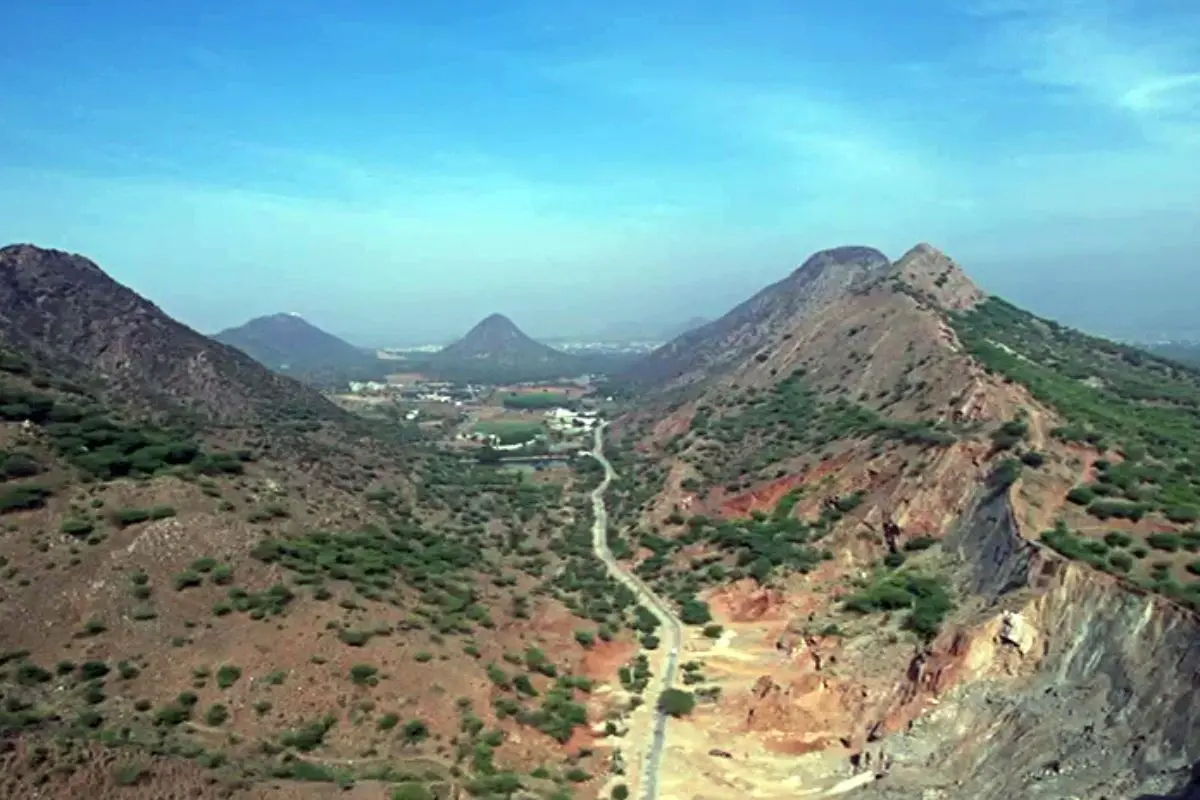
The Aravalli Hills, one of India’s oldest mountain ranges, are at the centre of a new controversy after the Supreme Court introduced a height-based definition for the range. Experts, environmentalists and Opposition leaders warn that this move could open the door to increased mining, deforestation and land-use changes, putting the fragile ecosystem at serious risk. Known for filtering dust-laden winds, regulating local climates and providing habitat for wildlife such as leopards, foxes and rare birds, the Aravalli Hills now face growing ecological threats that could have long-term consequences for the region.
Experts also warn that if the Aravalli continues to shrink, states like Rajasthan, Gujarat, Haryana and the Delhi-NCR region could face severe consequences, including higher air pollution, declining rainfall, increased heatwaves, groundwater depletion and frequent dust storms.
Rajasthan: Shield against desertification
Rajasthan contains the largest portion of the Aravalli range, spanning 550 km and covering more than 19 districts, which is about 9.3% of the state’s total area.
Ecological significance:
- Halts the expansion of the Thar Desert
- Supports groundwater recharge; rivers such as the Sabarmati and Banas originate here
- Provides shelter for leopards and rare birds
- Moderates temperature extremes and limits dust storms
Gujarat: Vital forest and water hub
In northern Gujarat, the Aravalli range supports river systems and agriculture. Dense forest patches, spanning roughly 200 sq km, protect soil and stabilise local climates.
Ecological importance:
- Prevents soil erosion and maintains soil fertility
- Stabilises rainfall in arid regions
- Hosts rivers like the Sabarmati and Luni
- Protects rural communities from desert winds
Haryana: Guardian of air quality and water
Haryana’s Aravalli regions, especially near Gurugram and Faridabad, play a crucial role in maintaining environmental balance. The Sahibi River originates from these hills and flows into Rajasthan and Delhi.
Ecological relevance:
- Absorbs carbon and reduces air pollution
- Minimises dust storms originating from desert areas
- Recharges groundwater for use in NCR cities
- Provides habitat for various animals and birds
Delhi NCR: Natural barrier for urban health
The Aravalli hills form a critical green belt for Delhi, covering around 7,777 hectares (~78 sq. km), including the Aravalli Biodiversity Park near JNU, Vasant Vihar and Vasant Kunj.
Ecological prominence:
- Reduces pollution and mitigates heat waves
- Prevents desert sand encroachment
- Acts as the “lungs” of the NCR
- Supports urban biodiversity and greenery
Government commitment on conservation
Meanwhile, Union Environment and Forests Minister Bhupendar Yadav claimed that the government remains committed to protecting 90% of the Aravalli Hills. “There is no relaxation on the Aravalli,” he said. Mining is restricted to only about 217 sq km, which is roughly 2% of the total 1.47 lakh sq km of the Aravalli region.