What 4F crisis is Jaishankar warning about? How food, fuel, fertilizer, and finance could hit India
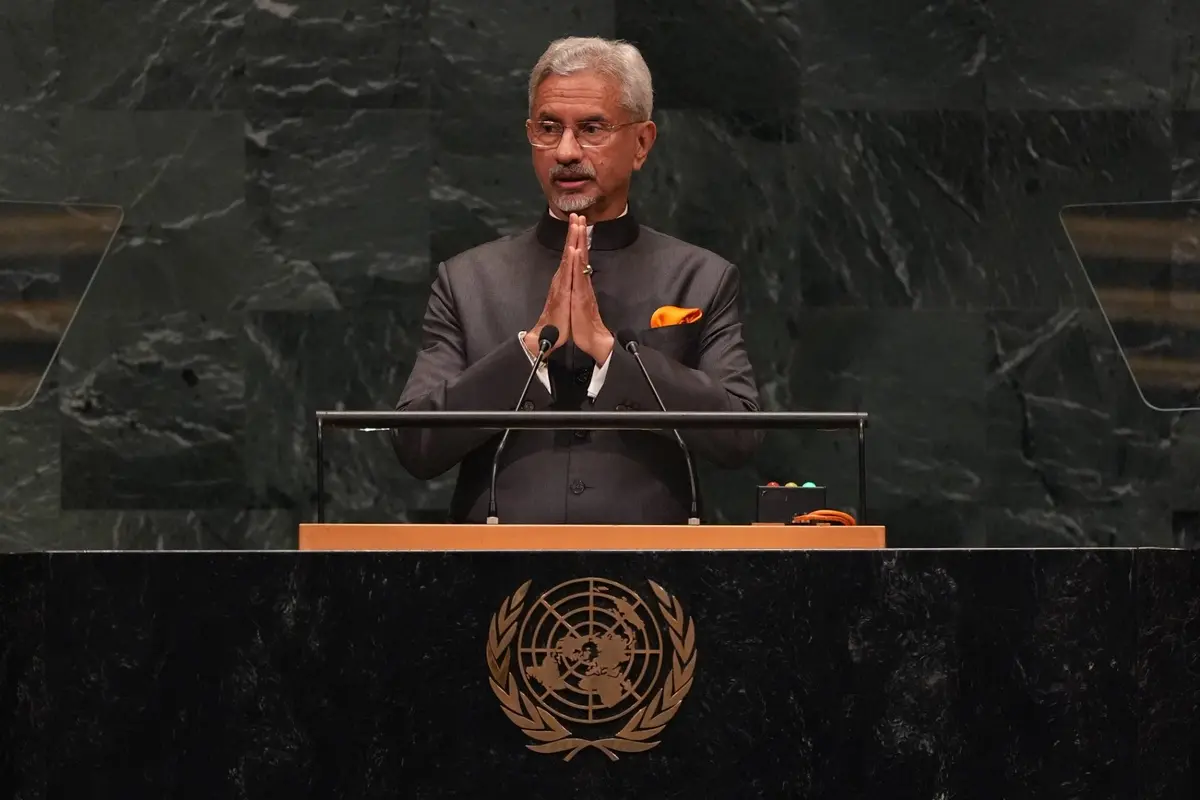
New Delhi: External Affairs Minister S Jaishankar has warned of an interconnected ‘4F crisis’ facing the Global South, as geopolitical conflicts threaten to disrupt food, fuel, and fertilizer supplies while putting additional pressure on developing economies' finances.
The four Fs stand for food, fuel, fertilizer and finance. Jaishankar raised the issue during his engagements around the 81st United Nations General Assembly, describing the Global South's predicament as particularly acute.
He has argued that conflicts and disruptions in one part of the world can quickly translate into economic pressure on countries far from the battlefield.
The warning comes at a time when India, too, is exposed to several of these pressures, particularly through energy imports, fertilizer requirements, food prices and global financial conditions.
What exactly is Jaishankar saying?
Jaishankar argues that the four problems cannot be viewed separately.
A conflict can disrupt oil and gas supplies or shipping routes. Higher energy costs can make fertilizer more expensive because energy, particularly natural gas, is an important input in fertilizer production.
Higher fertilizer costs can then raise agricultural costs and put pressure on food supplies and prices.
At the same time, geopolitical uncertainty can push investors toward safer markets, making financing more expensive for developing economies.
In other words, the chain can run from conflict to fuel, fuel to fertilizer, fertilizer to food, and geopolitical uncertainty to finance.
Jaishankar has also warned that global conflicts extend well beyond the countries directly involved, with the Global South often having fewer financial buffers to absorb such shocks.
Why is India worried?
India is not currently facing a full-blown four-front crisis. In fact, the Finance Commission chairman said earlier this month that the country was unlikely to face a major food or fertilizer crisis despite global headwinds.
But India remains vulnerable to the individual pressures Jaishankar has identified.
Fuel: India imports a large share of its crude oil requirement. Any sustained rise in international crude prices can increase the country's import bill and contribute to imported inflation. India's Finance Ministry has already flagged high crude prices and geopolitical tensions as risks to inflation, the rupee and capital flows. The impact extends beyond petrol and diesel. Higher energy costs can feed into transportation, aviation, manufacturing and the wider cost of goods.
Fertilizer: India is also dependent on imports for several key fertilizers and fertilizer raw materials. Disruptions in major producing regions or shipping routes can therefore raise procurement costs and complicate supplies. Jaishankar has specifically highlighted the importance of global fertilizer and energy supply chains, warning that disruptions can affect food security in developing countries.
Food: Higher energy and fertilizer costs can eventually affect agriculture and food prices. Weather risks add another layer. India's economic outlook is also being watched for how climate conditions could affect crop production.
Food inflation has already emerged as a concern. The Economic Times reported on October 5 that economists expected food inflation to remain under pressure, with weather risks and higher energy and logistics costs adding to the uncertainty.
Finance: The fourth F is perhaps the least visible to ordinary consumers but can have a broad impact. Tighter global financial conditions can pressure emerging-market currencies, borrowing costs, and capital flows.
India has stronger buffers than many developing economies, including substantial foreign exchange reserves.
However, global volatility can still affect the rupee, imported inflation and the cost of capital. The Finance Ministry has flagged tighter global financial conditions and volatile capital flows as risks.
Why the four Fs matter together
The danger lies in the domino effect. A geopolitical conflict disrupts energy supplies → fuel prices rise → fertilizer becomes more expensive → farming costs increase → food prices come under pressure.
At the same time:
Global uncertainty → investors seek safer assets → capital leaves emerging markets → currencies weaken → imported food, fuel and fertilizer become more expensive.
For countries with weaker currencies, high import dependence or limited fiscal space, the combination can become particularly difficult to manage.
India has a cushion, but global shocks still matter
India's large domestic market, food stocks, foreign exchange reserves and policy interventions provide buffers against external shocks. The country has also been working to diversify its energy and fertilizer supply chains.
But the latest warning underlines a larger vulnerability: India cannot completely insulate itself from global commodity and financial shocks.
That is why Jaishankar's ‘4F’ warning is less about predicting an imminent crisis in India and more about highlighting how interconnected global supply chains have become.
As conflicts continue to threaten energy and shipping routes, the concern is that a crisis that begins with geopolitics could eventually show up in fuel bills, fertilizer procurement, food prices, government spending and household budgets.
For India, the question is therefore not simply whether a ‘4F crisis’ will arrive, but how effectively the country can shield its economy from each link in that chain.