Suvendu Adhikari's Yogi-style 'Goonda Bill' in Bengal: Inside the proposed law's key provisions
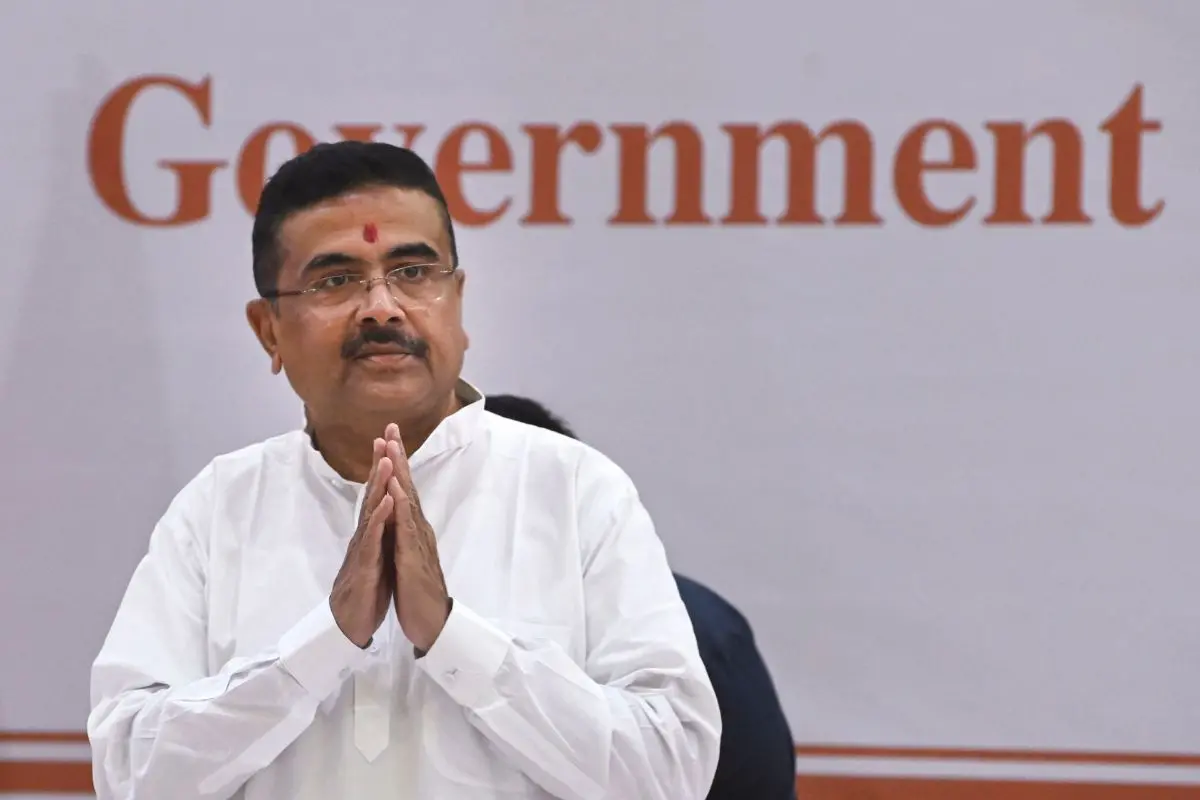
The West Bengal government is set to introduce the West Bengal Public Safety and Control of Anti-Social Activities Bill, 2026, in the Assembly on Monday, proposing sweeping measures to tackle organised crime, riots, and anti-social activities.
The proposed legislation seeks to strengthen the state's powers through provisions such as preventive detention, the externment of alleged 'goondas', expanded search and seizure powers, and a mechanism to recover compensation for damage caused to public and private property during incidents of violence.
According to reports, the compensation recovery framework has been modelled on Uttar Pradesh's law introduced under Chief Minister Yogi Adityanath, under which authorities can recover losses from individuals found responsible for damaging property during riots.
Key features of the proposed Bill
- Preventive detention: The Bill allows the state government or an authorised officer to order the preventive detention of a person engaged in, or likely to engage in, anti-social activities. It specifies that such detention is intended to prevent future offences and is not a punishment for past conduct.
- Communication of detention orders: Every detention order must be communicated to the detainee, who will also receive a copy of the order and the grounds for detention, unless disclosing certain information is considered against the public interest.
- Externment of alleged offenders: Authorities can direct individuals identified as habitual offenders or 'goondas' to leave a specified area if their presence is deemed prejudicial to public order. Failure to comply could invite legal action.
- Recovery of riot damage: The government will have the power to recover compensation for damage caused to public and private property during riots, protests, or violence from those held responsible.
- Enhanced search and seizure powers: The proposed law grants law enforcement agencies broader authority to conduct searches and seize property linked to anti-social activities or offences covered under the Bill.
- Advisory Board review: Every preventive detention order will be placed before an Advisory Board, which will examine whether sufficient grounds exist for continued detention and submit its opinion to the state government.
- Right to representation: Individuals placed under preventive detention will have the right to submit a representation challenging the detention order before the appropriate authority.
The Bill comes amid heightened political focus on law and order in West Bengal ahead of the 2026 Assembly elections. If passed, it would significantly expand the state's powers to act against organised crime and violence.
However, the proposed legislation is also expected to trigger political and legal debate, particularly over provisions relating to preventive detention and property recovery, with critics likely to raise concerns over civil liberties and due process.
The Bill will be taken up during the ongoing Assembly session for discussion and consideration.