‘No distinction between Banglabhasi and Bangladeshi’: Adhir Ranjan Chowdhury flags migrant violence
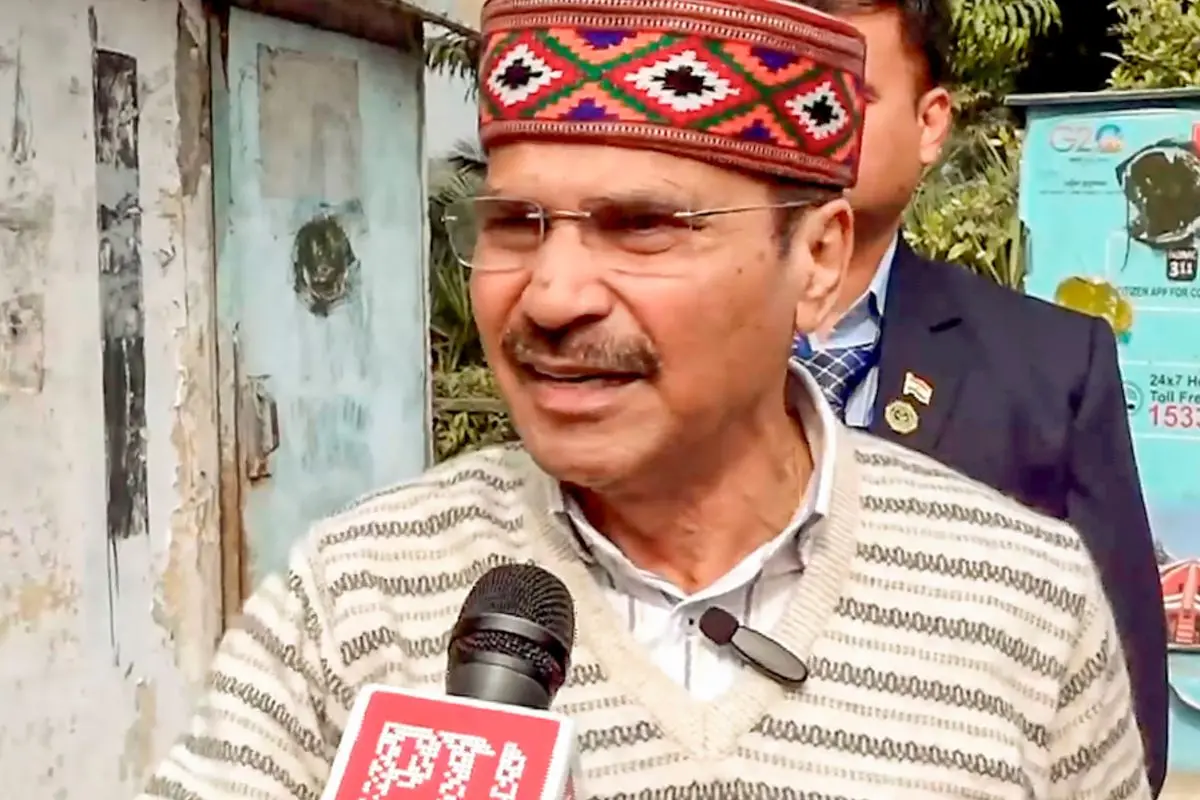
New Delhi: Congress leader Adhir Ranjan Chowdhury on Tuesday alleged that migrant workers from West Bengal are facing violence and discrimination in several states, and called for greater sensitisation towards the “plight of migrants”.
Chowdhury wrote to Prime Minister Narendra Modi flagging the issue, and said the Prime Minister had assured him that he would look into the matter. His intervention comes in the wake of the killing of a migrant worker from West Bengal in Sambalpur, Odisha.
In his letter, the Congress leader alleged that administrative officers, including the police, often fail to distinguish between ‘Banglabhasi’ (Bangla-speaking) people and ‘Bangladeshi’ nationals, leading to harassment and injustice.
Speaking to ANI, Chowdhury also suggested that members of the Matua community — Bengali Dalits — are being wrongly viewed as infiltrators.
“All the state governments in our country should be sensitised to the plight of migrants. In Bengal, it has become a burning issue right now. I have flagged his attention, and he told me he will be looking after it,” Chowdhury said.
“I don’t know whether the BJP treats the Matua community as infiltrators. But they have been subjected to various kinds of religious persecution in Bangladesh and forced to migrate,” he added.
Chowdhury further claimed that, following the Special Intensive Revision (SIR) of electoral rolls, members of the community fear their names may be deleted. “They are living in apprehension. It is incumbent upon the government to look into this because all these persecuted Bangladeshis belong to the Dalit and Hindu communities,” he said.
In his letter to the Prime Minister, Chowdhury alleged that migrant workers from West Bengal face discrimination “most precisely in BJP-ruled states”.
“With a heavy heart, I am constrained to flag your attention that migrant workers from West Bengal who are spreading across the length and breadth of our country are confronting severe discrimination in various states,” he wrote. He said such workers, who contribute to the economy through their labour and skills, are instead being subjected to “violence, hatred, abuse, and even beaten to death”.
“Their only offence is that they speak in the Bengali language, which is often misunderstood by the concerned administration as persons belonging to neighbouring Bangladesh and treated as infiltrators,” the letter said.
“It is ironic to note that administrative officers, including police, do not differentiate between ‘Banglabhasi’ and ‘Bangladeshi’ people. And without committing any offence, they are lodged in jail or a detention centre,” Chowdhury added, referring to what he described as a “harrowing incident” in Sambalpur, where a youth from Murshidabad district was allegedly beaten to death after being labelled a Bangladeshi infiltrator.
Appealing to the Prime Minister, Chowdhury urged him to intervene. “On behalf of those poor and wretched migrant labourers from my state West Bengal, I would request you to sensitise all the state governments in the country so as to stop this kind of discrimination, violence and persecution,” he wrote, citing constitutional rights to live and work anywhere in India.
The incident in question occurred on December 24, when a migrant worker from Murshidabad was killed following an altercation in Sambalpur, Odisha. Sambalpur Sub-Divisional Police Officer Srimanta Barik said the clash broke out after a group of local men, allegedly under the influence of alcohol, approached migrant labourers for cigarettes.
“A fight broke out between the two groups. One group of men hit him on the head, causing a head injury that led to his death,” Barik said on December 25. He added that six men had been arrested in connection with the incident, and that efforts were under way to apprehend the remaining accused.