27 lakh names deleted, only 7 lakh appealed: New Bengal figures deepen SIR debate
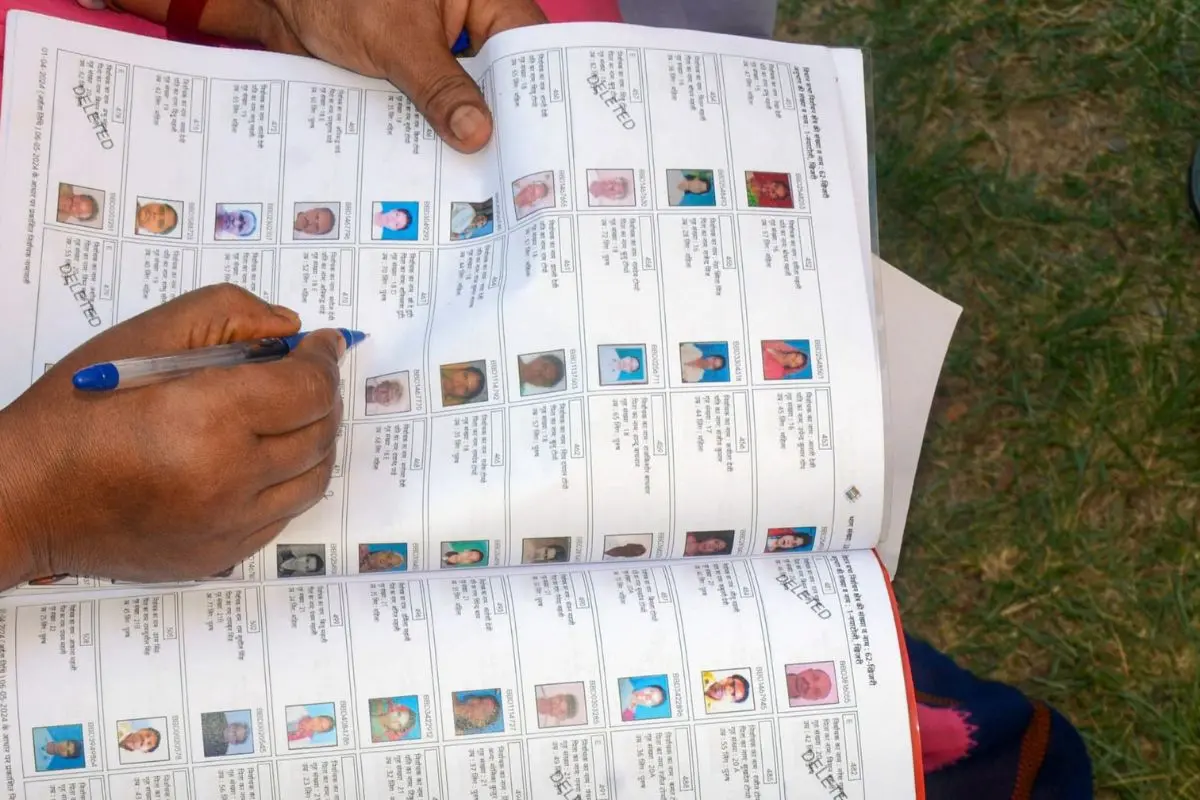
Seven lakh. That is the number now at the heart of West Bengal's controversial Special Intensive Revision (SIR) exercise.
Freshly compiled data by the state government suggests that only around 7 lakh of the 27 lakh voters whose names were struck off the electoral rolls after the adjudication process chose to challenge their exclusion before appellate tribunals.
The figure means barely one in four deleted voters, or about 26 per cent, filed an appeal, even as officials admit they have no clear explanation for why the remaining nearly 20 lakh never approached the tribunals.
The figures, shared by senior state government officials, stand in stark contrast to earlier reports claiming tribunals were dealing with 32 to 34 lakh appeals, including those seeking both inclusion and deletion of names.
Officials clarified that the total number of appeals before the tribunals did indeed cross 30 lakh, but said the overwhelming difference lies in who filed them.
According to the government, more than 20 lakh appeals were filed by the Election Commission itself, challenging decisions by adjudicators who had cleared nearly 33 lakh voters for inclusion.
Apart from these, around 7 lakh appeals came from voters whose names had been deleted, while a smaller number were filed by individuals seeking the removal of certain voters from the rolls.
Government sources said deleted voters had the option of filing appeals both online and offline. District administrations were tasked with digitising offline applications before forwarding them to the tribunals.
However, social workers involved in helping affected voters have questioned whether every offline application was eventually uploaded.
Several activists claimed that thousands of applicants submitted forms at Sub-Divisional Officer (SDO) and District Magistrate (DM) offices without receiving acknowledgements, raising concerns that not all offline appeals may have entered the digital system.
They argued that the official figure of 7 lakh could therefore be lower than the actual number of applications submitted.
The controversy stems from the Election Commission's verification exercise, which had flagged 1.5 crore voters over what it described as 'logical discrepancies'.
Of them, 60 lakh failed to satisfy the Commission during document verification.
Acting on directions from the Supreme Court, 705 judicial officers examined these cases, ultimately clearing nearly 33 lakh voters for inclusion while 27 lakh remained excluded.
Following the apex court's order, the Calcutta High Court constituted 19 appellate tribunals to hear challenges related to both inclusion and exclusion from the electoral rolls.
Earlier, Chief Minister Suvendu Adhikari had indicated that nearly 20 lakh deleted voters had not approached the tribunals, although he had then acknowledged that official figures were unavailable and cautioned against concluding.
Government sources now say district-wise reports have enabled authorities to verify the number of appeals filed against deletions.
The data also carries implications beyond electoral rolls. Officials said the state government has decided to continue extending welfare benefits to those who challenged their deletion before the tribunals until their cases are decided.
Those who did not appeal, however, will not receive benefits under state welfare schemes for now, although the government says it will await findings from the ongoing Census home-listing exercise before taking any further view.
Officials added that while Census enumerators will not demand documents during household visits, they will be able to verify whether individuals whose names were deleted actually reside at the addresses recorded, a process expected to provide greater clarity on the status of those who never appealed.