‘No Muslims, Aadhaar mandatory’: VHP’s garba rules trigger Maharashtra row
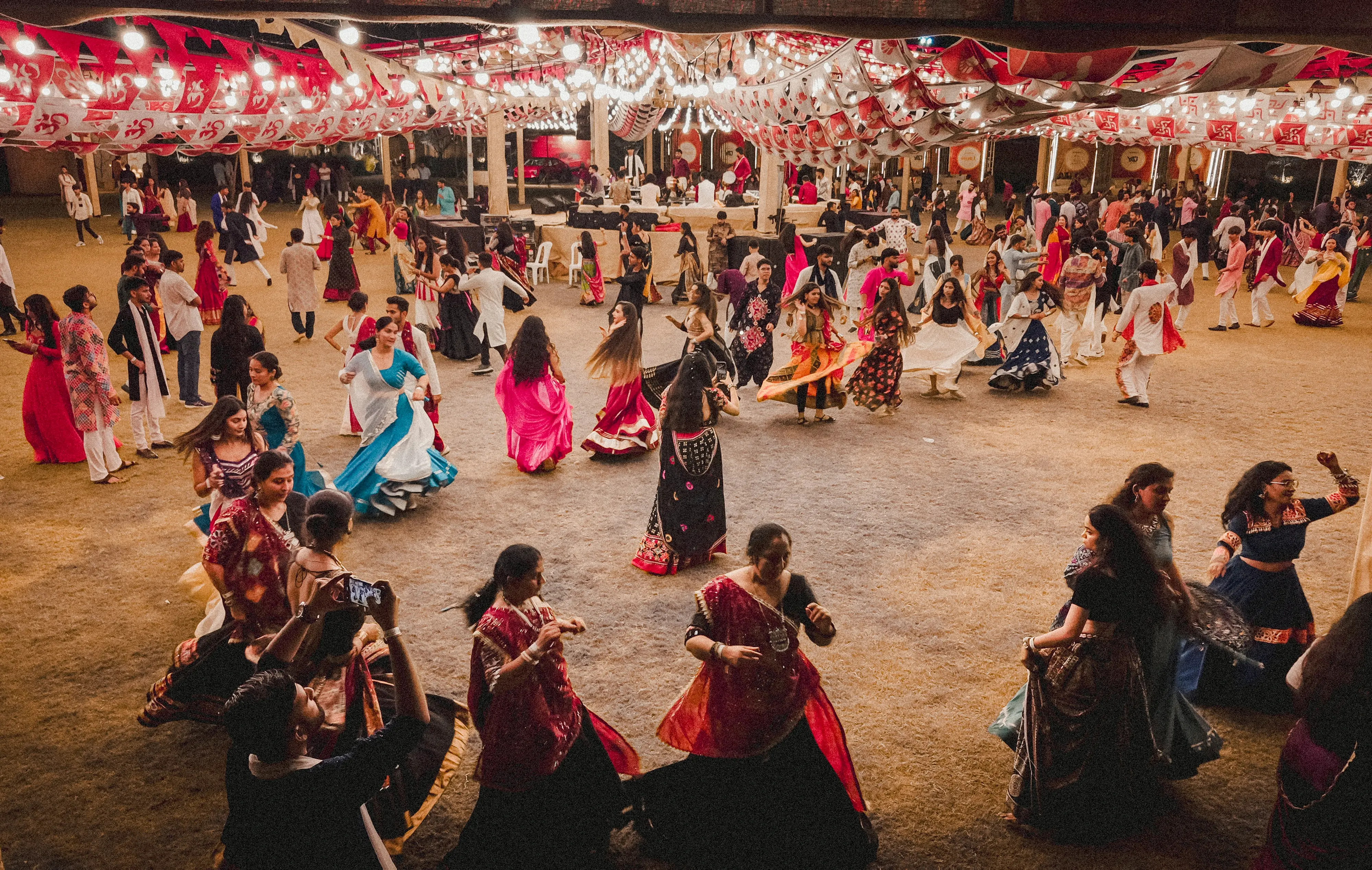
Mumbai: The Vishva Hindu Parishad (VHP) has called for Muslims to be excluded from garba and dandiya events in Maharashtra during the upcoming Navratri festival and issued guidelines asking organisers to verify the identities of participants. The move has triggered criticism from opposition parties and the Maharashtra State Minority Commission.
Navratri will begin on October 11, 2026. VHP spokesperson and joint secretary Shriraj Nair said the organisation had decided not to allow Muslims to participate in garba and dandiya events, arguing that the festival is centred on the worship of a Hindu goddess and is not merely a dance or cultural programme.
The VHP has also suggested that organisers check the Aadhaar cards of attendees and apply tilak on their foreheads as measures to verify their Hindu identity. The organisation has described these as precautionary measures intended to preserve what it considers the religious and cultural character of Hindu festivals.
Nair said the guidelines were not intended to target any particular community and maintained that the VHP supported social harmony and peace. However, he questioned why the organisation should relax its rules for Muslims who, according to him, do not follow the religious beliefs and form of worship associated with Navratri.
The announcement has drawn criticism from opposition leaders, who have questioned both the nature of the restrictions and the Maharashtra government's response.
Shiv Sena (UBT) MP Sanjay Raut referred to recent remarks by RSS chief Mohan Bhagwat on Hindu-Muslim relations and human dignity, asking whether the VHP's position was consistent with that message. Bhagwat had said that every human being has dignity and that there should be no distinction between people.
NCP (SP) spokesperson Clyde Crasto described the VHP's move as unconstitutional and questioned whether the BJP-led Maharashtra government would remain silent while the organisation issued what he described as a diktat on matters concerning public order.
Congress MLA Amin Patel also criticised the proposed restrictions, saying festivals have traditionally provided opportunities for communities to come together. He pointed to the practice of communities inviting one another to religious and cultural celebrations as an example of social harmony.
Maharashtra State Minority Commission chairman Pyare Khan also objected to the blanket exclusion of Muslims from public festivities. He said people have the right to celebrate festivals according to their faith but argued that participation in events should depend on whether people are invited rather than on communal restrictions.
The controversy has now raised wider questions about who can participate in public religious and cultural events and whether organisers can impose restrictions based on a participant's religion. The proposed Aadhaar checks and tilak requirement have added another layer to the debate because they involve attempts to establish the religious identity of attendees.
The VHP's announcement does not itself constitute a government rule. Any restrictions imposed by individual event organisers would remain subject to applicable law and the circumstances of each event.
With Navratri approaching, the response of the Maharashtra government and any further clarification from authorities are likely to remain closely watched. The debate has also highlighted the tension between preserving the religious character of festivals and ensuring participation, equality and communal harmony in a diverse society.