‘How did Vaishno Devi Institute end up with 42 Muslim MBBS students?’: BJP flags religious imbalance
The release of the first-ever MBBS selection list at the Shri Mata Vaishno Devi Institute of Medical Excellence (SMVDIME) has ignited a full-blown political-religious storm in Jammu.
With 42 out of 50 seats going to Muslim students, the Bharatiya Janata Party (BJP) has mounted an aggressive challenge to the recruitment process, accusing the institute of “betraying the spiritual identity” of the shrine-funded institution.
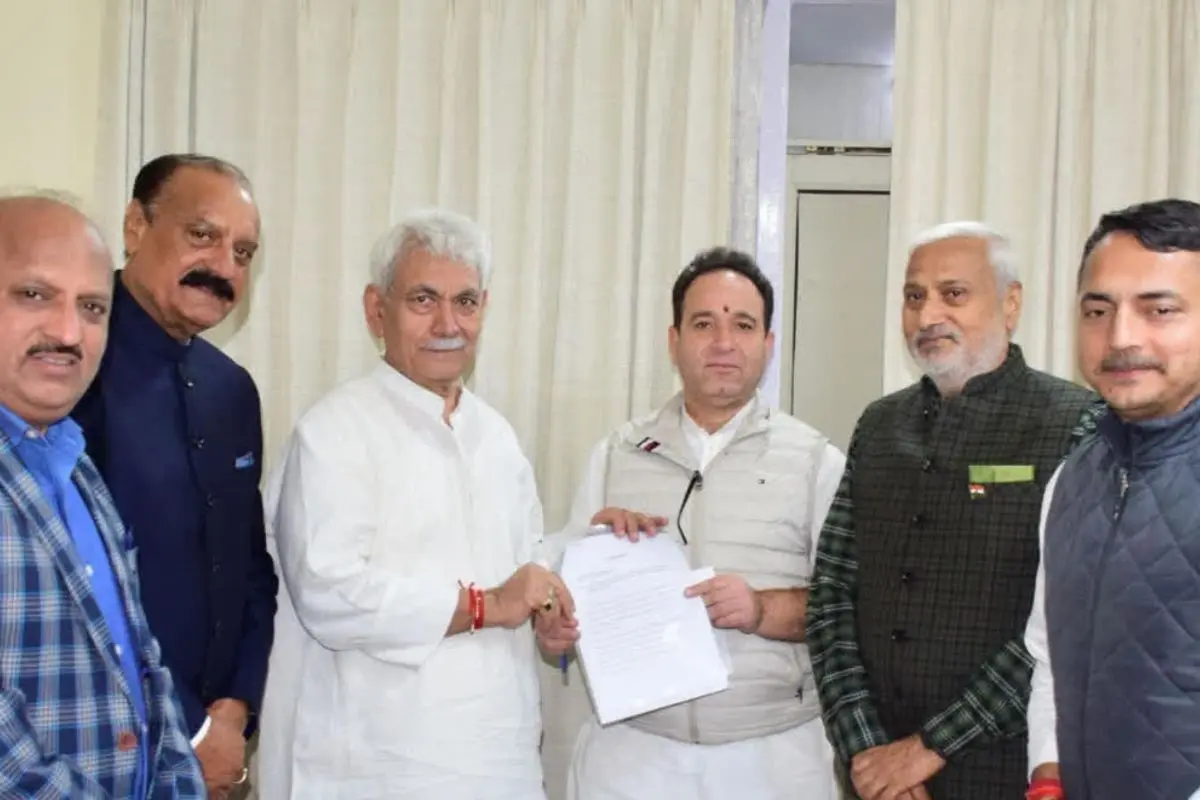
On Saturday, senior BJP legislators marched to Raj Bhavan to lodge a formal protest with Lieutenant Governor Manoj Sinha, demanding an immediate overhaul of admission rules.
Their memorandum seeks amendments to both the Shrine Board Act and the University Act, arguing that an institution built on the donations, devotion, and faith of Vaishno Devi pilgrims must uphold the “religious ethos” associated with the sacred shrine.
BJP MLA R S Pathania amplified the party’s anger online, declaring that institutions created through the offerings of devotees must “reflect the spiritual character of the shrine” rather than “mirror the demographic arithmetic of admissions gone wrong.”
The controversy erupted soon after the MBBS list revealed that Muslim candidates formed an overwhelming majority. Hindu groups—from the Vishwa Hindu Parishad and Bajrang Dal to several local outfits—hit the streets of Reasi, calling the admissions “imbalanced, insensitive, and unacceptable.”
They argued that a shrine-funded institute should not turn into what they described as an “admission anomaly”. They demanded either a review of the selection criteria or that the college be granted minority status, so that religious-based quotas or prioritisation could be applied legally.
Protesters held placards, chanting that the “devotees’ money must serve devotees’ children,” urging the government to intervene before the institute “loses its spiritual soul.”
As tensions escalate, the admissions controversy has quickly evolved from an academic list into a political flashpoint—one loaded with symbolism, identity, and claims over the very purpose of a shrine-backed medical institution.