Swords, spears and a standoff: What's happening at this Uttarakhand gurdwara
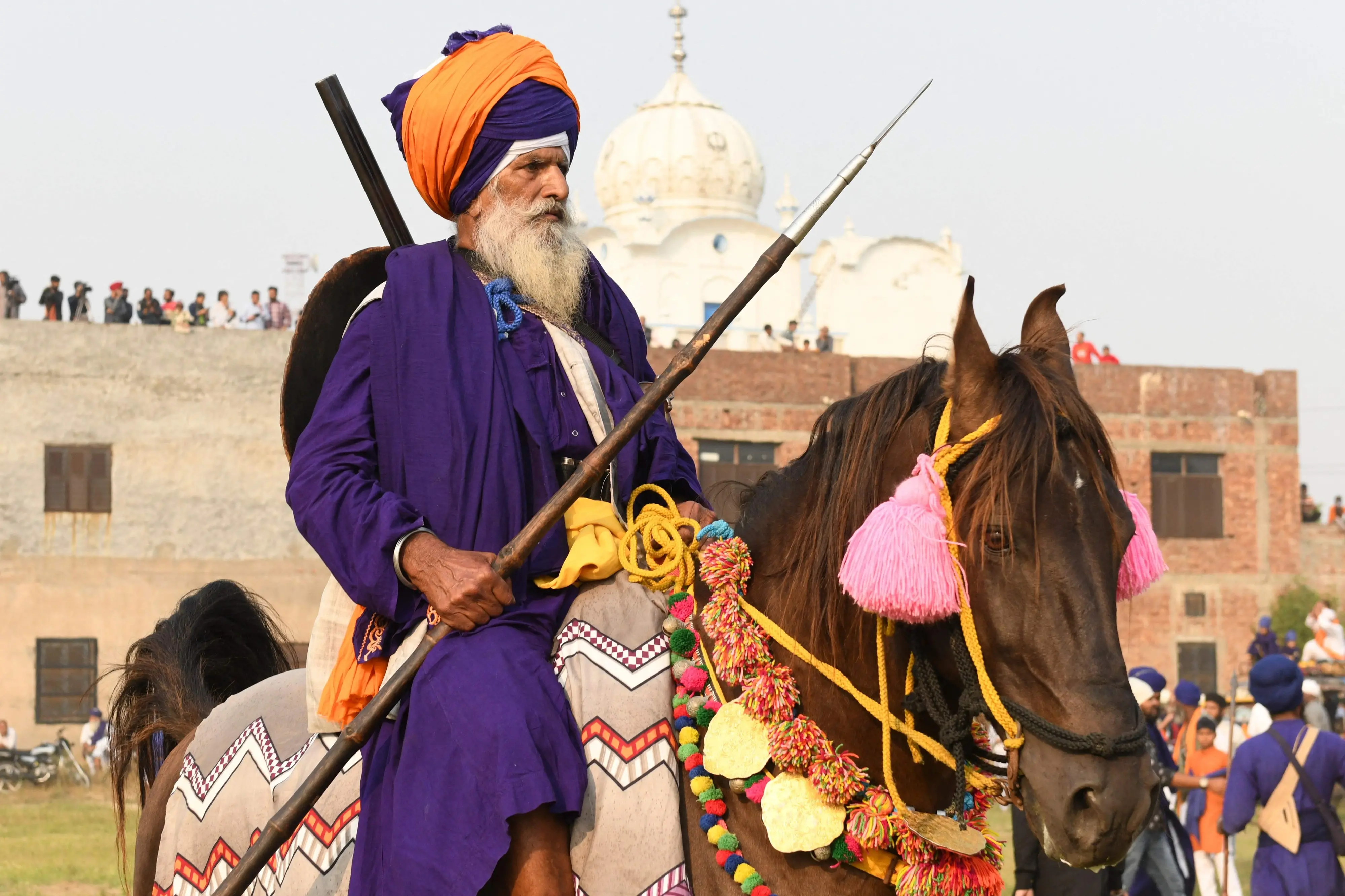
A tense standoff involving Nihang Sikhs and the Uttarakhand administration entered its third day on Monday at a gurdwara in Rudraprayag district, with negotiations continuing as a group of Nihangs remained atop the religious premises demanding the release of fellow members arrested after a clash in Karnaprayag.
What is a gurdwara?
A gurdwara is a Sikh place of worship where followers gather for prayers, religious ceremonies and community activities. The term means "gateway to the Guru". Gurdwaras are open to people of all religions and backgrounds and serve as centres of spiritual learning, worship and social service. One of their most important traditions is the langar, a free community kitchen where meals are served to everyone without discrimination.
Who are the Nihang Sikhs?
Nihang Sikhs are a traditional Sikh warrior order known for preserving centuries-old martial customs and religious traditions. They are easily recognised by their distinctive blue robes, large turbans and traditional weapons such as swords, spears and kirpans. The Nihangs trace their origins to the military forces established by Guru Gobind Singh in the late 17th century to protect the Sikh community and uphold justice. Today, they continue to play an important role in Sikh religious events, processions and pilgrimages while maintaining their historic warrior identity.
Why do Nihang Sikhs carry weapons?
The carrying of traditional weapons is part of the Nihangs' historical and religious identity. These weapons symbolise readiness to defend the faith, protect the vulnerable and uphold Sikh values. While they are often seen carrying swords, spears and other traditional arms during religious gatherings and processions, these items also reflect their connection to Sikh history and the martial traditions established during periods of conflict in the Indian subcontinent.
Nihang Sikhs are currently in the spotlight due to a standoff at a gurdwara in Uttarakhand's Rudraprayag district. The dispute is linked to the arrest of several Nihang Sikhs following a clash in Karnaprayag, with some members demanding their release. Authorities and community leaders are continuing negotiations to resolve the situation peacefully.
ALSO READ | 12 Indians among 13 killed in massive Qatar gas plant explosion; MEA mourns loss
What sparked the Uttarakhand gurdwara standoff?
The ongoing confrontation centres on the Nagarasu Gurdwara, located along the Badrinath Highway between Rudraprayag and Gauchar.
According to police, around six to seven Nihang Sikhs climbed onto the upper levels and roof of the gurdwara on June 20 and refused to come down. Their primary demand has been the release of four Nihang Sikhs arrested in connection with a violent altercation that took place in Karnaprayag town on June 16.
The incident has since drawn national attention, prompting intervention from political leaders and extensive efforts by local authorities to avoid escalation.
How the Karnaprayag clash led to the standoff
The roots of the dispute lie in an altercation that occurred in Karnaprayag market in Chamoli district.
Authorities said a disagreement between Nihang Sikhs and local residents escalated into violence, during which several people were reportedly injured. Police alleged that swords were used in the confrontation.
Among those injured was Nihang Sikh Manpreet Singh.
Following the incident, police registered cases and arrested four Nihang Sikhs. The arrests became a major point of contention among sections of the Sikh community, with supporters arguing that investigations should be impartial and account for injuries suffered by Sikh pilgrims as well.
Subsequently, an FIR was also registered against unidentified persons based on a complaint filed by the father of Manpreet Singh.
Standoff enters third day
As negotiations continued on Monday, officials reported progress but confirmed that the situation had not yet been fully resolved.
Earlier reports suggested that up to seven Nihang Sikhs had remained inside or atop the gurdwara premises.
By Monday, several had agreed to come down following discussions with the administration.
According to Superintendent of Police Niharika Tomar, positive developments emerged during negotiations and at least two Nihang Sikhs came down from the roof to hold discussions with officials.
However, others remained on the premises, continuing to press their demands.
Conflicting claims over hostages and violence
The situation has generated conflicting accounts.
Some earlier reports alleged that individuals inside the gurdwara, including a sevadar, had been held against their will before being released.
Police officials later said those individuals had been freed and denied many of the claims circulating on social media.
SP Tomar specifically rejected reports suggesting a continuing hostage situation and described much of the information being shared online as misleading and unverified.
Similarly, officials denied claims that military forces had been deployed or that the gurdwara had been forcibly occupied.
Weapons and security concerns
Authorities confirmed that the Nihang Sikhs involved in the standoff possessed traditional weapons including: Spears, Swords, Axes and Kirpans.
Given the sensitive nature of the situation, a substantial police presence was maintained around the gurdwara.
Personnel from the Indo-Tibetan Border Police (ITBP), already stationed along the Char Dham Yatra route, were also deployed to assist local law enforcement in maintaining security.
Officials stressed that the deployment was precautionary and aimed at preventing any deterioration in law and order.
Punjab CM Bhagwant Mann steps in
As the standoff continued, Punjab Chief Minister Bhagwant Mann spoke with Uttarakhand Chief Minister Pushkar Singh Dhami.
During the conversation, Mann reportedly urged that the issue be resolved peacefully through dialogue and negotiations.
He also offered support from the Punjab government if required.
The intervention highlighted growing concern within Sikh communities over the developments in Uttarakhand.
Internal dispute or protest over arrests?
Authorities and community representatives have offered differing explanations regarding the immediate trigger for the Nagarasu standoff.
Police officials have maintained that the incident was separate from the Karnaprayag clash and instead stemmed from internal disagreements at the gurdwara.
According to police, the dispute reportedly began over issues related to accommodation and arrangements at the religious facility.
However, Sikh representatives have said the Nihangs were also demanding the release of the arrested members and were frustrated by developments following the Karnaprayag incident.
Bhartiya Sikh Sangathan representatives stated that disagreements over room allocation for travelling Nihang Sikhs heading towards Hemkund Sahib may have contributed to tensions.
ALSO READ | Monkeys snap power lines in Kerala; Vandebharat and 4 other trains delayed for two hours
Hemkund Sahib pilgrimage remains unaffected
Despite the dramatic standoff, district authorities have emphasised that the annual pilgrimage to the revered Sikh shrine of Hemkund Sahib continues without disruption.
District Magistrate Vishal Mishra said:
- Pilgrim movement remains normal.
- Daily prayers (ardas) are continuing.
- Community kitchen services (langar) remain operational.
- Religious activities inside the gurdwara have not been interrupted.
- Officials have repeatedly appealed for calm while negotiations proceed.
Investigations transferred to ensure impartiality
In a significant development, authorities transferred investigations linked to both the Karnaprayag clash and related complaints away from Chamoli district.
The cases have been handed over to the Haridwar police unit to ensure transparency and impartiality.
Additionally, allegations made by Sikh organisations regarding police conduct during the Karnaprayag incident will be examined by Deputy Inspector General of Police Yashwant Singh.
The officer has been directed to submit a report within two weeks.
What happens next?
The administration's immediate objective remains a peaceful resolution through continued dialogue.
Officials have avoided any forceful intervention, instead relying on negotiations with community leaders and the Nihang Sikhs involved.
While several participants have already come down from the gurdwara roof, authorities are continuing discussions with the remaining individuals.
The outcome of these talks could influence broader community relations and shape perceptions of how both the Karnaprayag clash and subsequent standoff are handled by the state administration.