US restricts visas for 13 linked to Indian firm over fentanyl case; know why this drug is dangerous
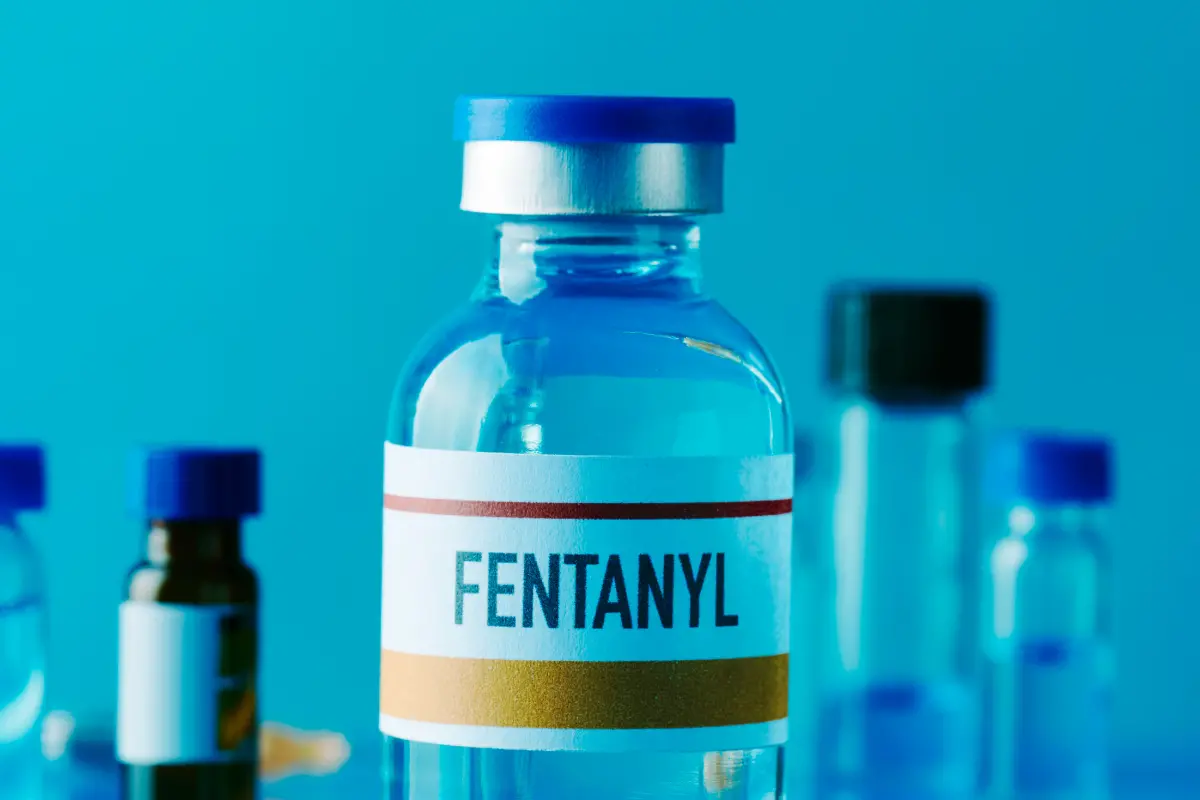
The U.S. State Department has announced visa restrictions on 13 individuals associated with the Indian online pharmacy KS International Traders and its owner, according to a Reuters report on Thursday.
The Mumbai-based company is reportedly accused of trafficking counterfeit prescription pills laced with fentanyl into the United States. Fentanyl, which President Trump has designated a “weapon of mass destruction”, is a potent opioid linked to a surge in American overdose deaths.
Allegations of counterfeit drug trafficking
The company reportedly sold hundreds of thousands of lethal pills, causing extensive harm to families and communities.
State Department spokesperson Thomas Pigott stated that those complicit in “poisoning Americans” will be denied entry to the U.S.
The report said this enforcement follows previous sanctions against the pharmacy and two Indian nationals last year for similar offences.
The move comes as the U.S. uses its new visa restriction policy to stem the drug flow. Foreign and health ministries under the Union Government of India have not yet commented.
What is fentanyl?
Fentanyl is a synthetic opioid, meaning it is made in a laboratory rather than derived from plants.
It is approximately 50 to 100 times stronger than morphine and around 50 times stronger than heroin.
In medical settings, fentanyl is used for severe pain management, including after major surgery and for cancer patients who have developed tolerance to other painkillers. It is also used as an anaesthetic to keep patients sedated during operations.
However, fentanyl is highly dangerous due to its extreme potency. A dose as small as 2 milligrams can be fatal in many cases.
It is often mixed secretly into other illegal drugs or sold as counterfeit pills, meaning users may be unaware they are consuming it.
In cases of overdose, fentanyl can cause respiratory failure by slowing or stopping breathing, sometimes leading to death within minutes.
Reversing an overdose can require multiple doses of naloxone due to its strength and addictive nature. It remains a key driver of the current overdose crisis.