Supreme Court agrees to hear Trump administration's plea over Elon Musk's DOGE records
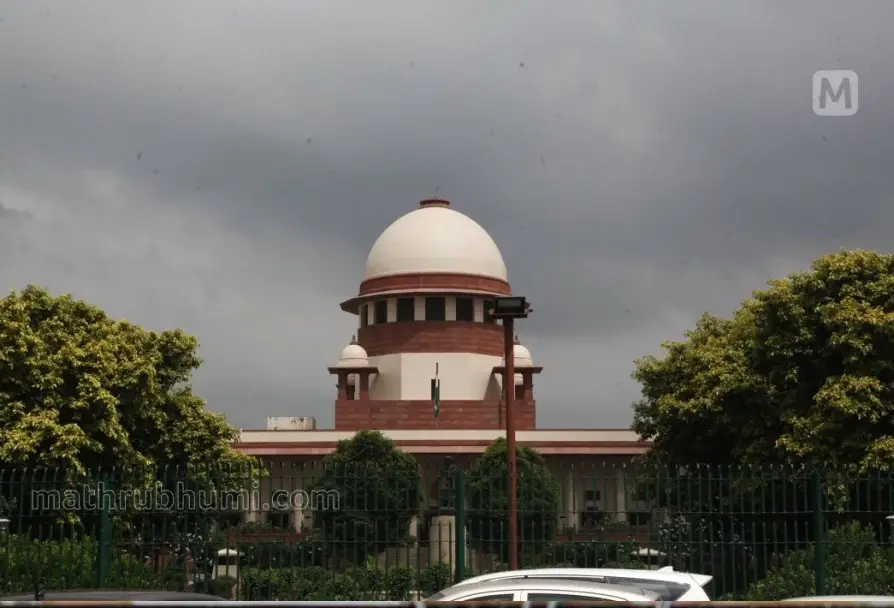
The battle over transparency in the Trump administration has returned to the US Supreme Court, with the country's highest court agreeing to hear a dispute over public access to records linked to Elon Musk's Department of Government Efficiency (DOGE).
The court's decision on Tuesday marks the second time it has intervened in a lawsuit filed by Citizens for Responsibility and Ethics in Washington (CREW), a watchdog group seeking documents related to DOGE's activities during the opening days of US President Donald Trump's second term.
At the heart of the dispute is a fundamental question: should DOGE be treated as a federal agency required to disclose records under the Freedom of Information Act (FOIA), or can it operate outside the law's disclosure requirements as an advisory body to the president?
CREW maintains that DOGE falls within the scope of FOIA and must provide access to the records sought by the organisation.
The Trump administration, however, argues that the department is exempt because it functions as a presidential advisory body.
The legal battle has already produced conflicting rulings. US District Judge Christopher Cooper ruled in CREW's favour and directed the government to expedite the processing of its records request.
An appeals court panel also backed the watchdog's position. The administration later challenged the appeals court's decision, arguing that the panel failed to follow the Supreme Court's earlier guidance on the separation of powers and interfered with the independence and confidentiality of presidential advisers.
Supreme Court's earlier intervention
This is not the first time the Supreme Court has stepped into the dispute. In June 2025, its conservative majority narrowed the scope of a lower court order requiring the government to hand over DOGE-related records to CREW.
The justices concluded that Cooper's order was too broad in the documents it required the government to produce.
The latest proceedings have brought the dispute back before the court, with the administration continuing to contest applying public disclosure laws to DOGE.
In its submissions, Justice Department attorneys argued that forcing presidential advisory bodies to undergo intrusive discovery could undermine the protections Congress intended to preserve when it excluded such bodies from FOIA's reach.
The government has maintained that extending the law's requirements to DOGE would compromise the autonomy and confidentiality of those advising the president.
The Supreme Court's decision to hear the case sets the stage for a renewed examination of the legal boundaries surrounding DOGE's operations, the public's access to government records and the extent to which presidential advisory bodies can be shielded from disclosure requirements.