Trump 2.0 could impact India’s FDI inflows, SBI report highlights risks and opportunities
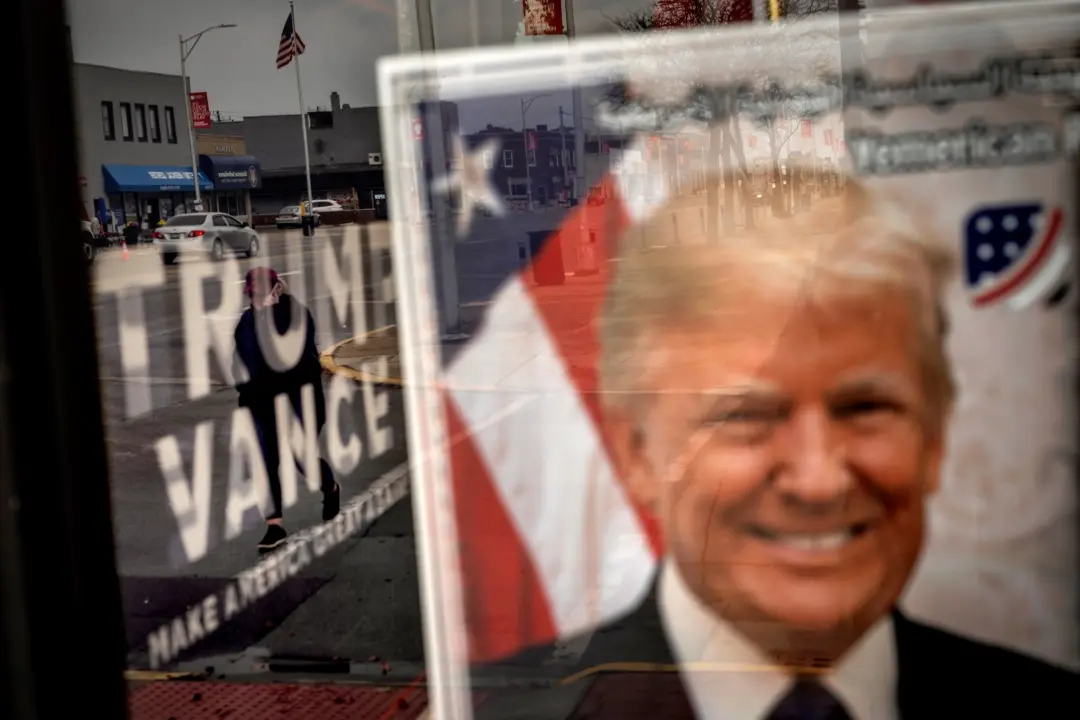
New Delhi: A recent report by the State Bank of India (SBI) suggests that India could experience shifts in foreign direct investment (FDI) trends if Donald Trump returns to the White House for a second term.
The research highlights that under Trump's first term, significant regulatory changes were made to bring investments back to the United States, which had a global impact on FDI, including in India.
The report notes that if similar policies are reintroduced during Trump's second term, emerging markets like India—where FDI is a key driver of economic growth—could face challenges.
Diversifying FDI sources to buffer potential decline
Despite these concerns, the SBI report points out that India has been diversifying its FDI sources in recent years, which could help buffer against any potential decline in traditional sectors. India is no longer solely dependent on traditional sources of FDI, and investments are now flowing into new and diverse sectors.
The report emphasises that India is attracting FDI in a wide range of industries, including renewable energy, sea transport, medical devices, and surgical appliances. This shift could help offset any potential loss of inflows from conventional sectors if global investment patterns change under another Trump administration.
Emerging sectors could offset losses in traditional sectors
The research also highlights up to 12 emerging sectors showing strong FDI interest, which could play a crucial role in maintaining India's position as an attractive destination for foreign investments.
The growing investment in these new sectors represents a shift from the past when FDI was concentrated in just a few traditional industries. This change could provide India with a cushion against any declines in investment from conventional sectors.
Trump 2.0: Challenges and opportunities for India
While Trump 2.0 could bring potential challenges, such as increased US tariffs, more restrictive H-1B visa policies, and a stronger dollar, the report suggests that these factors might also present long-term opportunities for India.
In the short term, these challenges could lead to some volatility in India's trade and investment landscape. However, in the long run, they could encourage India to expand its manufacturing capabilities, diversify its export markets, and focus on becoming more self-reliant economically.
Notably, India has maintained a merchandise trade surplus with the US despite the tariffs imposed during Trump's first term. This shows that Indian exports have remained resilient and that there is potential to further strengthen the trade relationship by focusing on emerging sectors and reducing dependency on traditional industries.
In the coming months, India will continue to monitor US policy developments closely.