No more stopping at tolls? Union government delays satellite-based highway toll collection until...
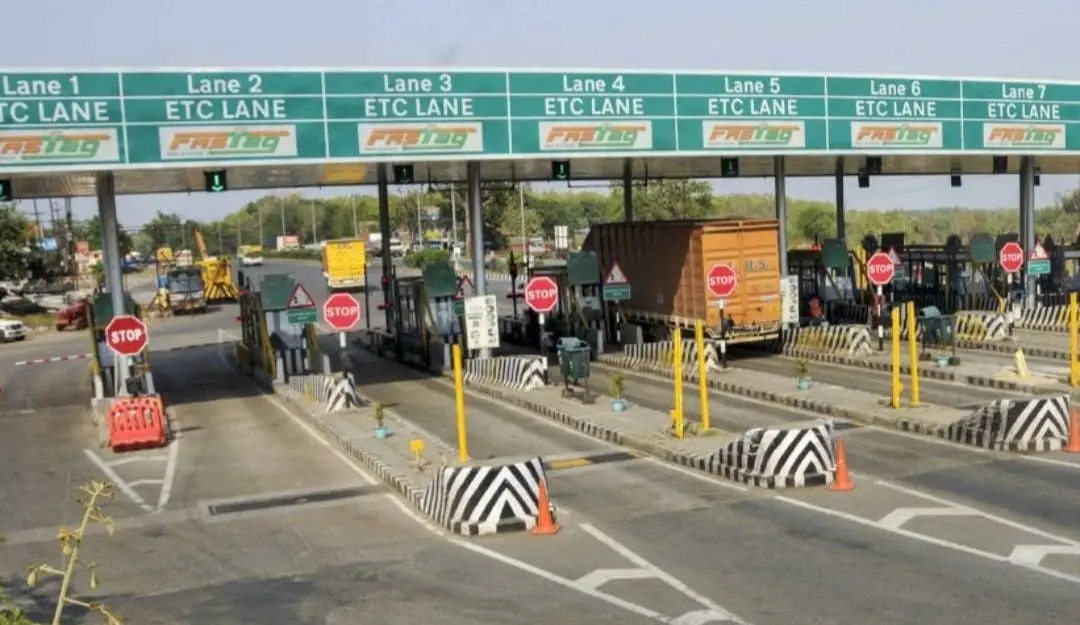
New Delhi: The Union government has decided to delay the rollout of a satellite-based highway toll collection system that could eventually replace toll booths, according to officials. The Ministry of Road Transport and Highways (MoRTH) now plans to wait until India’s own constellation of navigation satellites, known as NavIC, becomes fully operational for a more accurate system.
The proposed toll system aims to replace traditional booths by calculating charges based on the actual distance travelled on toll roads, relying on a Global Navigation Satellite System (GNSS).
Currently, the most widely used GNSS is the US-based GPS, but MoRTH is considering switching to India’s NavIC, developed by ISRO, once it is fully functional. As of now, only five of the 11 NavIC satellites are fully operational after setbacks with the NVS-02 satellite launch in February.
As part of a pilot programme, the Dwarka Expressway in Delhi was selected to trial the barrier-free tolling system. MoRTH has indicated its openness to adopting such technology, which is already widely used in Europe, Singapore, and Indonesia. The GNSS-based system involves tracking vehicle movement via satellite, with an on-board unit (OBU) recording entry and exit points for fare calculation.
Sreeram Ananthasayanam, a partner at Deloitte India, highlighted the importance of balancing data protection with toll accuracy. He noted that while GPS has limitations, NavIC’s more precise capabilities, alongside private-sector innovations, could resolve these issues.
Currently, India’s toll collection uses the FASTag system, based on RFID technology, which has already significantly reduced waiting times at toll plazas. With barrier-free tolling, there would be no need to stop vehicles at all, further improving efficiency.