Budget 2026: Inside the Halwa ceremony- History, rituals and significance
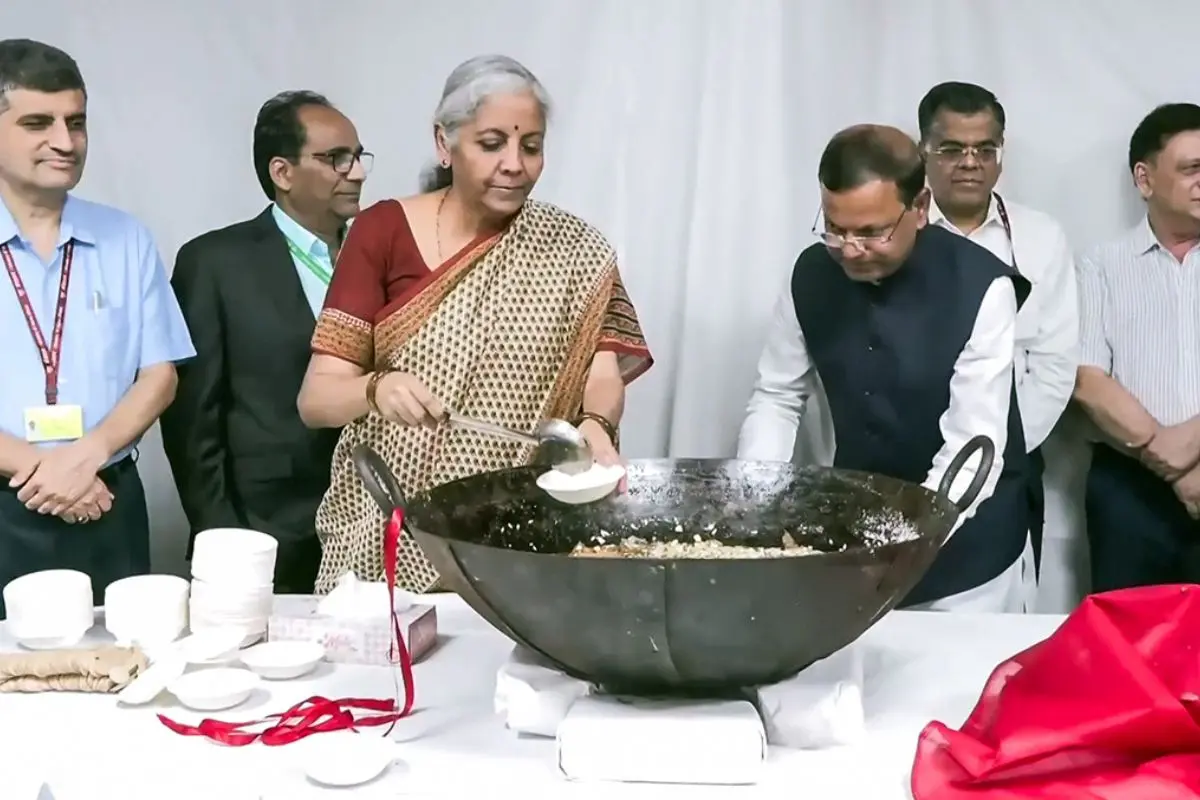
The Finance Ministry will hold its traditional Halwa Ceremony on Tuesday, signaling the start of the final preparations for the Union Budget 2026–27. A long-standing ritual in India’s budget calendar, the event blends tradition with practical significance.
Finance Minister Nirmala Sitharaman will attend, along with senior officials and staff directly involved in drafting the budget. The ceremony usually takes place a few days before the formal budget presentation, scheduled this year for 1 February.
Following the Halwa Ceremony, around 60–70 officials will enter a strict “lock-in” period. During this time, they are barred from any external communication, including with family members, to ensure that sensitive budget details remain strictly confidential.
Although the Finance Ministry moved to Kartavya Bhavan last year, the 2026–27 budget will be printed at the North Block press due to logistical reasons.
Why the Halwa Ceremony Matters
The Halwa Ceremony is both symbolic and practical. During the event, the Finance Minister stirs a large pan of halwa, a traditional sweet, which is then shared with ministry staff. The ritual marks the start of the budget lock-in period and serves as a gesture of appreciation for the officials’ hard work.
In India, serving sweets before important occasions is considered auspicious, giving the budget preparations a “sweet” start.
Since the introduction of paperless budgets in 2021, the lock-in period has become shorter. Budget documents are now printed at a dedicated press in North Block, rather than at earlier locations such as Rashtrapati Bhavan or Minto Road. Despite these changes, officials remain confined to North Block during the lock-in period, with no external communication, ensuring that the Union Budget remains secure until its presentation in Parliament.
Importance of the Halwa Ceremony
1. Symbolic start of budget preparation
The ceremony officially marks the beginning of the Union Budget’s printing process and represents the culmination of months of planning, calculations, and coordination among ministries, states, and departments.
2. Maintaining confidentiality and secrecy
A central aspect of the ceremony is its strict security protocol. After the event, officials are confined to North Block until the budget is presented, with movement restricted, phone calls monitored, and surveillance constant. These measures prevent leaks and ensure the budget remains confidential.
3. Cultural significance
The ritual reflects Indian traditions, particularly the sharing of sweets during important occasions. By combining cultural practices with administrative processes, the Halwa Ceremony highlights the symbolic and ceremonial aspects of governance.
4. Raising public awareness
Media coverage of the ceremony draws public attention to the upcoming budget, sparking discussions on fiscal policies, priorities, and government plans for the financial year.
5. Historical significance
The emphasis on secrecy originated from the 1950 Union Budget leak, when parts of the budget were leaked during printing at Rashtrapati Bhavan. The public backlash led to the resignation of Finance Minister John Mathai and prompted the move to secure government printing facilities, establishing strict confidentiality measures that continue today.
6. Lock-in period: Ensuring integrity
After the ceremony, officials enter a lock-in period where direct communication with families is restricted. Surveillance is rigorous, including CCTV monitoring and surprise inspections by the Intelligence Bureau. Mobile phones are prohibited, and emergency messages are carefully relayed, ensuring the integrity and security of the budget-making process.