UGC equity rules spark resignations and political unease: The issue in simple terms
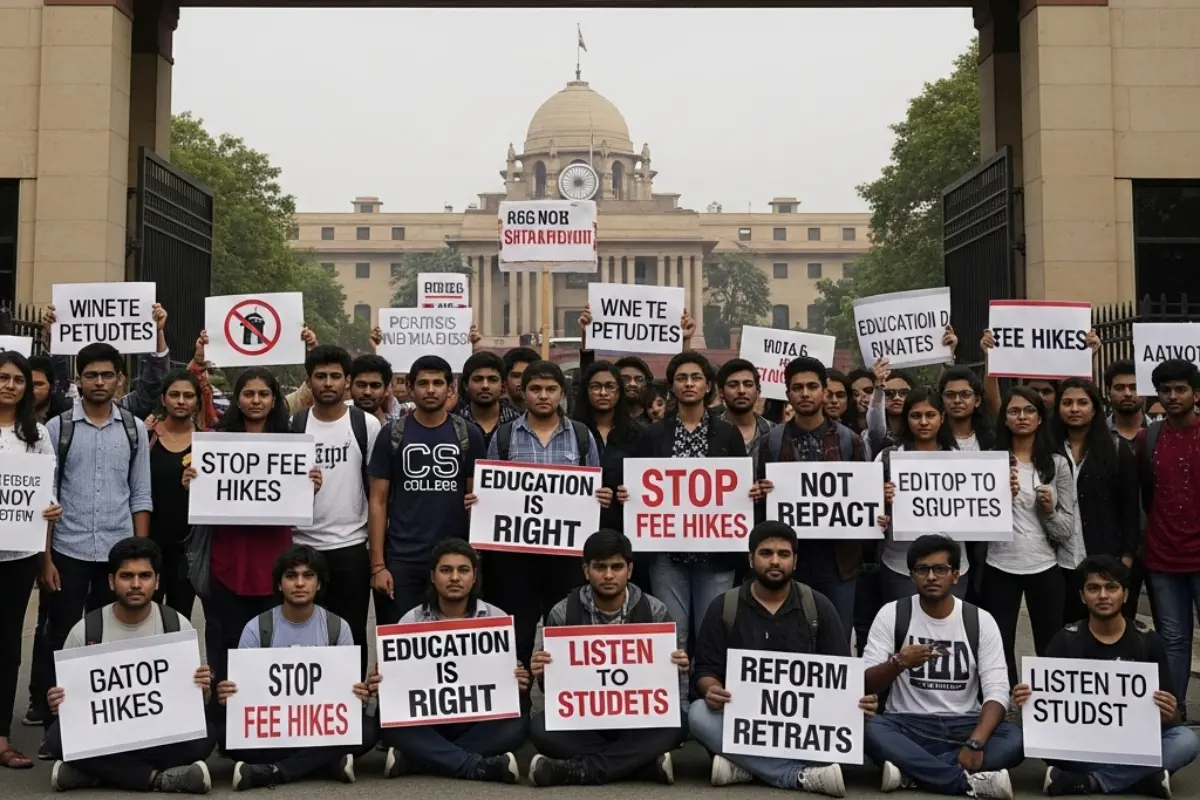
New Delhi: The controversy surrounding the University Grants Commission’s Promotion of Equity in Higher Education Institutions Regulations, 2026, has moved decisively beyond campuses, entering administrative and political territory as resignations and public dissent mount pressure on the government.
The regulations, notified earlier this year, mandate wide-ranging institutional mechanisms to prevent and address discrimination in universities and colleges. While the government has described them as a reform aimed at ensuring dignity and equal opportunity, critics argue the framework is overbroad, unevenly defined, and lacking safeguards, especially in contested cases.
Protests move beyond campuses
The University Grants Commission’s Promotion of Equity in Higher Education Institutions Regulations, 2026, has sparked protests across several states. What began with opposition from students and teachers has now spread into administrative and political circles.
In Bareilly, City Magistrate Alankar Agnihotri resigned from his post, citing opposition to the new UGC rules. He also referred to a recent religious incident in Prayagraj while explaining his decision. Public dissent of this kind from a serving bureaucrat is considered unusual.
A city magistrate’s resignation is sent through the district magistrate to the state government’s appointments department. The government decides whether to accept or reject it, and there is no fixed deadline for the process.
In Noida, BJP Yuva Morcha vice president Raju Pandit resigned from his position, calling the UGC rules a “black law”. He said protests against the policy were continuing and that he could not support the regulations. In Hajipur, Bihar, Union Minister of State for Home Affairs Nityanand Rai avoided answering reporters’ questions on the UGC rules during a public event. Instead of responding directly, he chanted religious slogans, which led to criticism.
Also read: Pakistan ‘Pizza-gate’: Defence Minister Khawaja Asif trolled for inaugurating fake Pizza Hut | WATCH
What the UGC rules require
The new regulations ask universities and colleges to set up Equal Opportunity Centres, equity committees, and 24-hour helplines to deal with discrimination complaints. Institutions must follow strict timelines and can face penalties for non-compliance. Critics say the rules are unclear, give too much discretion to institutions, and may be misused. The government says the regulations are meant to ensure fairness and dignity in higher education.
With protests continuing and resignations now coming from both the bureaucracy and a ruling party youth leader, the UGC equity rules have become a wider political issue, increasing pressure on the central government to respond.
What is this all about?
The controversy is over the University Grants Commission’s Equity in Higher Education Regulations, 2026. These are new rules that all universities and colleges in India must follow to prevent discrimination on campuses.
The rules ask institutions to set up Equal Opportunity Centres, special committees, helplines, and monitoring teams to handle complaints related to caste, religion, gender, disability, and other identity-based discrimination. Colleges are also given strict timelines to act on complaints, and the UGC can penalise institutions that do not comply.
Supporters say the rules are meant to protect students and staff from unfair treatment and ensure dignity and equal access in higher education.
Critics, however, argue that the rules are too broad and unclear, give too much power to institutional committees, and do not clearly protect people who may be falsely accused. They also fear the system could be misused or applied unevenly across campuses.
As protests by students and teachers grew, the issue moved into politics and administration. A city magistrate resigned, a BJP youth leader quit his post, and a Union minister faced criticism for avoiding questions — turning what started as a campus policy into a wider political issue.