Soon you can book an air taxi like an Uber ride
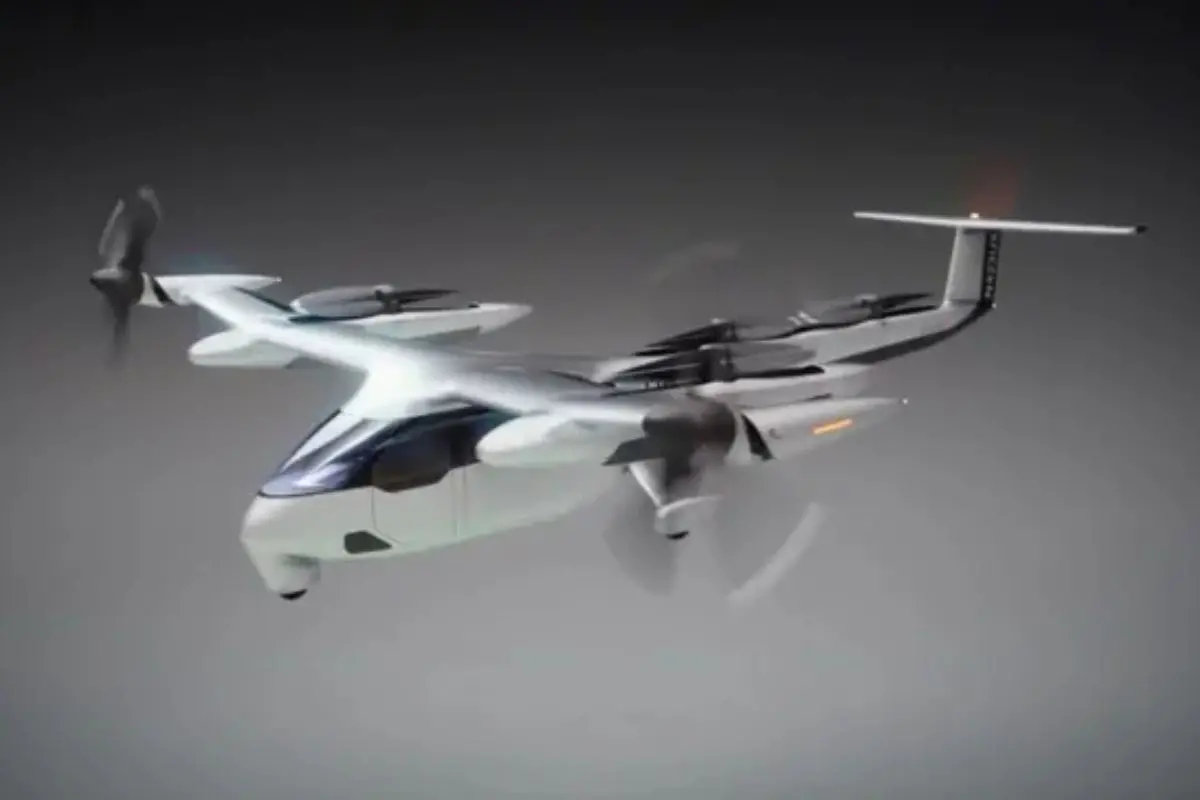
Can you believe, very soon, you will be able to book your air taxi and fly across the sky to your desired destination within the city in no time. Yes, the concept of urban air mobility is moving closer to commercial reality, as Uber announced the launch of “Uber Air powered by Joby,” allowing riders to book an all-electric air taxi directly through the Uber app.
The service will initially be powered by aircraft developed by Joby Aviation, with the company expecting to carry its first passengers later this year in Dubai. The launch marks a significant milestone in the long-running Joby–Uber partnership aimed at building a multi-modal transportation network that integrates ground and air mobility within urban ecosystems.
Booking the sky through an app
Uber says the process is designed to be seamless. Riders will open the Uber app, enter their destination in the familiar “Where to?” bar, and if eligible, the Uber Air option will appear. With a single tap, users can book the entire journey, including Uber Black pickup and drop-off to and from the take-off location.
The aim is not merely to offer a novelty flight experience, but to create a fully integrated ground-to-sky transport solution.
Joby’s aircraft is designed to carry up to four passengers and will be flown by a certified commercial pilot. The cabin features large panoramic windows, giving each passenger expansive views during the flight.
Technically, the aircraft operates using six tilting propellers that enable vertical take-off and landing (VTOL) before transitioning into forward flight. It can travel at speeds of up to 200 miles per hour and has a range of up to 100 miles on a single charge.
Importantly for urban use, the aircraft has been engineered with multiple layers of redundancy to enhance safety. Its acoustic profile has also been designed to blend into typical city ambient noise, addressing one of the primary concerns associated with aerial mobility in dense metropolitan areas.
Certification and safety
Before launching commercial operations in the United States, the aircraft must secure certification from the Federal Aviation Administration (FAA). Joby has completed over 50,000 miles of flight testing across its fleet and has entered the final stage of certification, underscoring what it describes as a safety-first approach.
Sachin Kansal, Chief Product Officer at Uber, said the company has long believed advanced air mobility could reshape urban transportation. By embedding Joby’s electric air taxi within the Uber app, the company aims to make air travel within cities as simple as booking a car.
Eric Allison, Chief Product Officer at Joby, said the objective is to create a new transportation layer that operates quietly and integrates naturally into city life, saving time and reducing congestion.
The Uber–Joby collaboration dates back to 2019. In 2021, Joby acquired Uber’s Elevate division, which had played a central role in shaping the early urban air mobility ecosystem, including market analysis, demand simulation, and multi-modal transport modelling.
Last year, the two companies also announced plans to integrate Blade’s commercial helicopter services into the Uber app starting in 2026, following Joby’s acquisition of Blade’s passenger business. The strategy is to create a scalable pathway from helicopter services to fully electric air taxis across markets including Dubai, New York, Los Angeles, the United Kingdom, and Japan.
Why India may need air taxis even more…
While initial commercial operations are planned overseas, the implications for India are significant.
India’s urban centres including Mumbai, Bengaluru, Delhi, and Hyderabad face some of the world’s most severe traffic congestion. Commute times in major Indian cities routinely exceed global averages, with peak-hour road travel often unpredictable and inefficient. As airport infrastructure expands and metro rail networks grow, last-mile and inter-city connectivity gaps persist.
Air taxis could potentially address several structural mobility challenges in India:
Cities such as Mumbai and Bengaluru are constrained by geography and rapid population growth. Aerial corridors could bypass gridlocked roads, particularly for airport transfers and high-value time-sensitive travel.
India is among the fastest-growing aviation markets globally, with expanding airport infrastructure and increasing demand for premium mobility options. Urban air mobility could complement this growth, particularly in cities developing new airport hubs.
Electric vertical take-off aircraft could serve short routes between satellite towns and major business districts, reducing dependence on highways.
As India pushes toward net-zero targets and electric mobility adoption, electric air taxis could align with long-term sustainability goals, provided charging infrastructure and energy sourcing are managed responsibly.
However, significant regulatory, infrastructure, and airspace integration challenges would need to be addressed. Unlike Dubai, which benefits from a relatively centralised regulatory framework and controlled airspace, India’s complex urban density and layered aviation operations would require coordinated oversight from authorities such as the Directorate General of Civil Aviation (DGCA), air traffic management agencies, and urban planners.
Urban air mobility is no longer a futuristic concept confined to prototypes and simulations. With testing milestones achieved and certification processes advancing, companies are positioning themselves for early commercial deployment.
If successful, the Uber–Joby model could redefine how premium urban travel is structured merging digital booking ecosystems with electric aviation platforms.
For India, where mobility constraints directly affect economic productivity, the arrival of electric air taxis may not simply be a technological upgrade. It could represent a structural shift in how cities manage growth, connectivity, and time.
The sky, quite literally, may become the next layer of urban infrastructure.