Two major earthquakes possible in the Himalayas, study warns
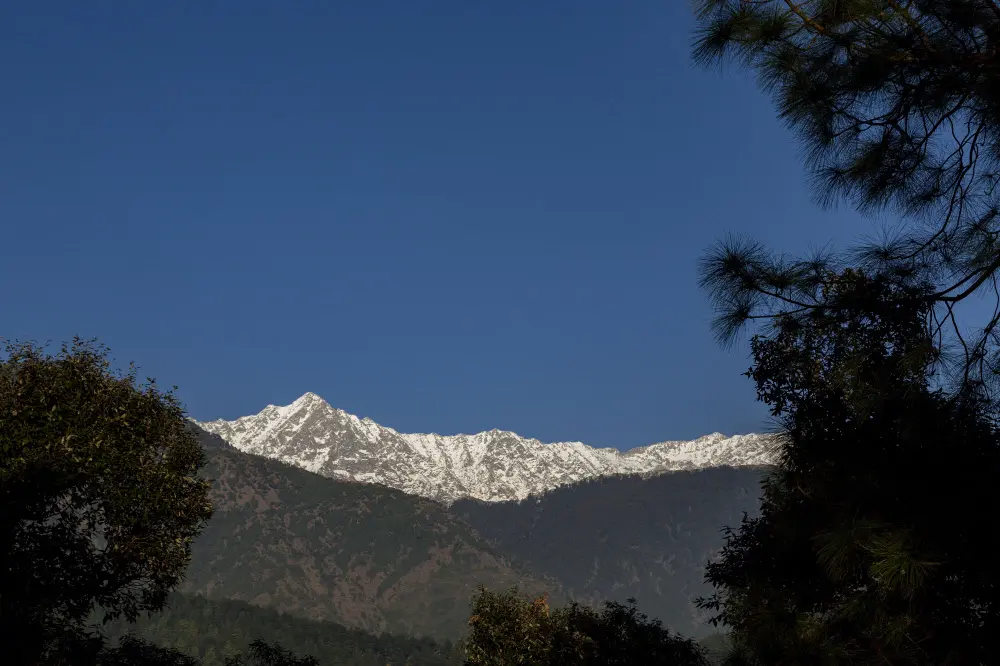
Kochi: A new study has warned that the Himalayan region, known for several devastating earthquakes in the past, faces the possibility of two major future quakes, potentially reaching a moment magnitude of 8.8.
The findings come from a four-year study led by the Space Applications Centre in Ahmedabad (ISRO), conducted in collaboration with scientists from NASA and Caltech. The report has been published in the journal Geophysical Research Letters. The research was led by Dr. K.M. Sreejith of the Space Applications Centre, Ahmedabad, and Prof. P.S. Sunil, head of the Department of Marine Geology and Geophysics at CUSAT. Dr Ajish P. Saji (IIG, Mumbai) and M.C.M. Jasir (research scholar, Space Applications Centre) were key contributors.
The study analysed parts of Uttarakhand and Himachal Pradesh using satellite-based geodetic data and mathematical models. Earlier, researchers from CUSAT, the Indian Institute of Geomagnetism and ISRO had reached similar conclusions in an article published in Geophysical Journal International.
Although predicting the exact timing of an earthquake is impossible, both studies highlight the heightened seismic risk in the Himalayan belt and the urgent need for preparedness. The team found that the tectonic stress accumulated in the mid-Himalayan region is significantly higher than previously measured.
The Himalayas, formed nearly 50 million years ago from the collision of the Indian and Eurasian tectonic plates, have been the site of repeated major earthquakes as stress builds up and releases over centuries.
The last major quake in Nepal struck in 2015, measuring 7.8 and killing around 9,000 people. In the Indian Himalayan region, the last major quake occurred in Uttarkashi in 1991 (6.8 magnitude), which killed 761 people. Another quake struck Chamoli in 1999 with a magnitude of 6.6, leaving 103 dead.