Why rebel Trinamool Congress MPs joined NCPI instead of challenging Mamata Banerjee
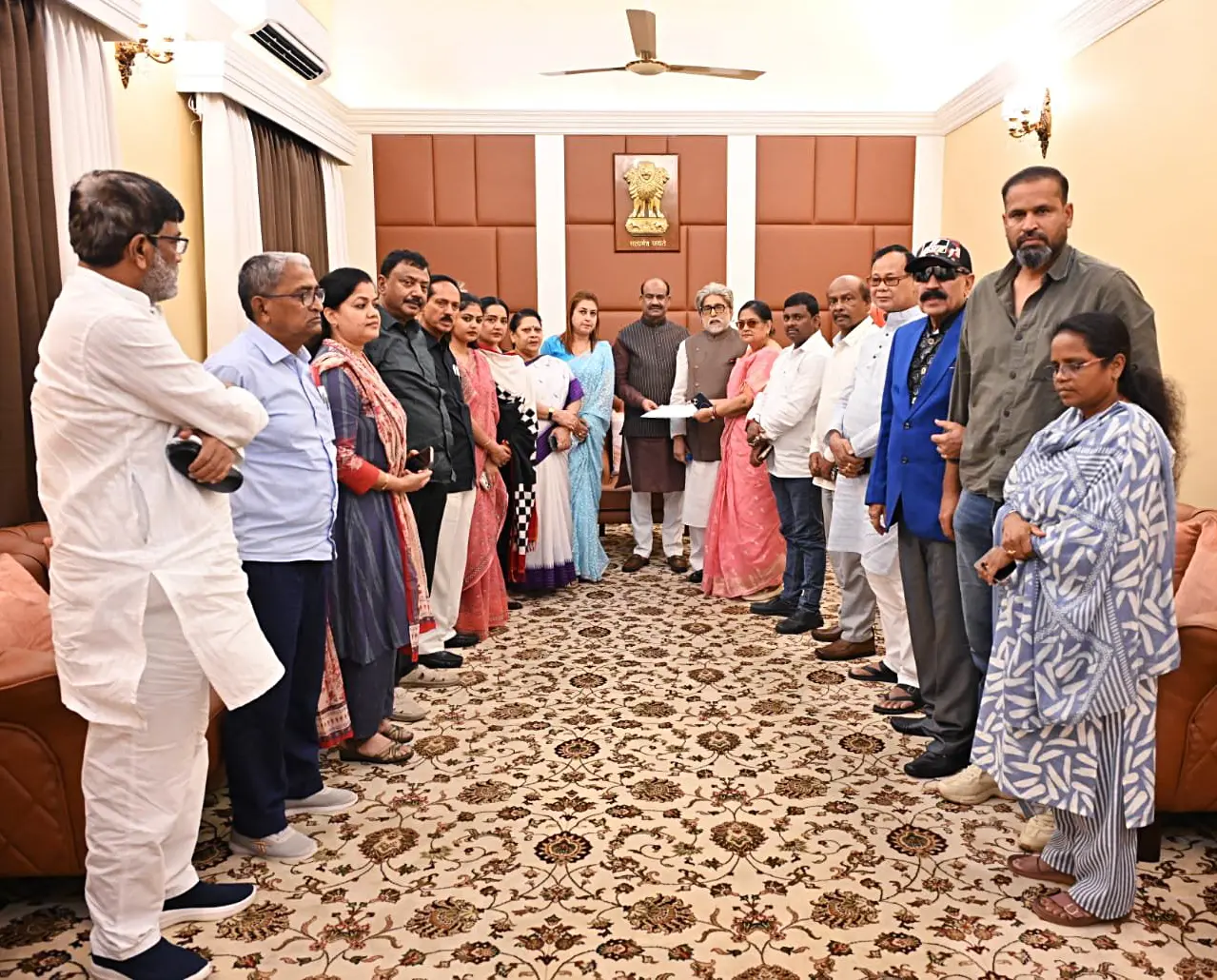
Kolkata: Rebel Trinamool Congress MPs have opted to join the little-known, Tripura-based Nationalist Citizens Party of India (NCPI) rather than pursue control of the party's parliamentary wing in the Lok Sabha, despite holding a majority within it. Political observers and legal experts believe two key factors influenced the shift in strategy.
The first relates to the Trinamool Congress constitution filed with the Election Commission of India (ECI), which experts say would have complicated any attempt by the rebel MPs to seize control of the party's parliamentary unit and subsequently lay claim to its election symbol and financial resources.
Under the party's original constitution, submitted when the Trinamool Congress was founded, the state executive committee was recognised as the highest decision-making authority. Subsequent amendments elevated the national working committee, led by party chairperson and former West Bengal Chief Minister Mamata Banerjee, to the top decision-making body.
“So as per both the original party constitution as well as the amended party constitution, in Trinamool Congress the organisation office-bearers within the party enjoy more control than the elected public representatives like the MPs and MLAs.
“Now, since the national working committee or the organisation office-bearers are 100 per cent Mamata Banerjee-centric directly, and her nephew and party General Secretary Abhishek Banerjee-centric indirectly, in the long run it would have been difficult for the rebel MPs to ultimately take control of Trinamool Congress’ Parliamentary party or party logo or party funds. In my opinion, that is the reason why exactly the rebels changed their strategy on this count at the last moment by joining a virtually-non-existent political force based out of Tripura,” said a Kolkata-based political observer.
Senior advocate and CPI(M) Rajya Sabha MP Bikas Ranjan Bhattacharya argued that the developments were part of a broader strategy orchestrated by the Bharatiya Janata Party (BJP), pointing to a series of meetings between the rebel MPs and senior BJP leader and Union Minister Bhupendra Yadav in New Delhi.
“The main intention of the BJP is to get the support of the rebel Trinamool Congress MPs in passing important bills on the floor of Parliament. Hence, they took no chance, and instead of continuing with the efforts of taking control of Trinamool Congress’ Parliamentary party in the Lok Sabha, the new strategy of rebel MPs joining a new party was worked out," Bhattacharya said.
Questions remain over why the rebel MPs abandoned efforts to establish a majority faction within the Trinamool Congress parliamentary party in the Lok Sabha, particularly after a similar move succeeded in the West Bengal Assembly, where 60 of the party's 80 MLAs backed the rebel camp.
Political observers say the response by Mamata Banerjee and Abhishek Banerjee following the formation of the rebel bloc in the Assembly played a significant role in discouraging a similar challenge at the national level.
“Immediately after formation of the rebel-block, Mamata Banerjee first announced the dissolution of all old internal party committees as well as internal committees of Trinamool Congress’ affiliated mass organisations. Thereafter, she announced the formation of new internal committees with the section of party leaders who continue their allegiance to her and her nephew. So, despite losing control over her Parliamentary team in Lok Sabha and legislative team in West Bengal Assembly, Mamata Banerjee continues her control in the national working committee of the party,” the political observer said.
(IANS)