Cigarette tax hike sparks panic in tobacco belt, Board seeks urgent rethink
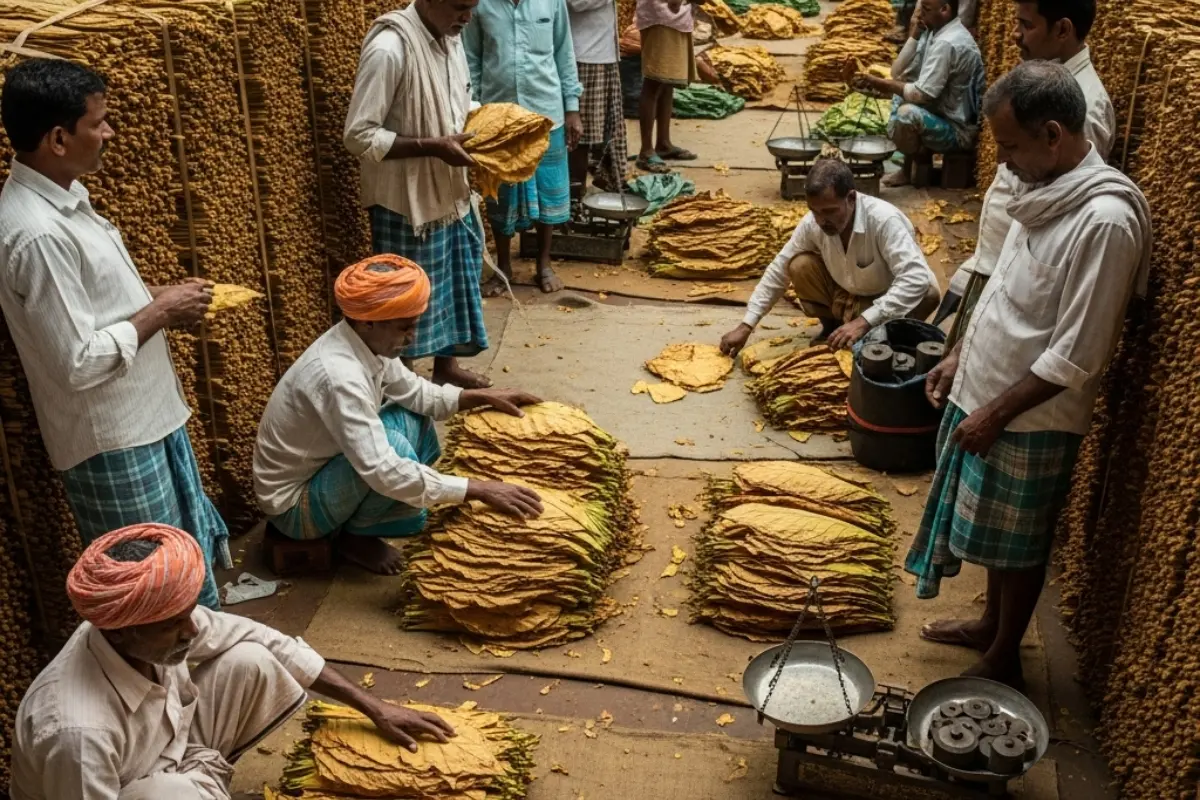
The Tobacco Board, functioning under the Department of Commerce, has urged Finance Minister Nirmala Sitharaman to reconsider the recent increase in excise duties on cigarettes, citing widespread distress among farmers and industry stakeholders.
In a letter dated February 10, Tobacco Board Chairman Yashwanth Kumar Chidipothu highlighted what he described as the adverse impact of the “unprecedented increase” in excise duties, which took effect on February 1. According to the Board, the hike has led to a price increase of up to 60 per cent in real terms.
Chidipothu, who said he was writing on behalf of Flue-Cured Virginia (FCV) tobacco farmers, noted that cultivators had approached the Board expressing serious concerns over the tax decision. He added that, as reported in the media, farmers have begun staging protests and submitting representations to their respective Members of Parliament.
“Considering the urgent industry situation and the significant impact on the farming community, I request you to intervene and revise the excessive duty rates on tobacco products,” Chidipothu stated in the letter.
The chairman warned that steep tax increases could accelerate the growth of the illicit cigarette trade. He said high tax and price differentials create strong incentives for smuggling, particularly in environments where enforcement capacity is limited.
“Weak border controls, fragmented oversight, and the absence of effective tracking and tracing mechanisms allow illicit operators to exploit policy gaps, while illicit cigarettes increasingly serve as a conduit for organised crime and money laundering,” he said.
The Board argued that an expanding unregulated market would deprive the government of substantial tax revenues, undermine legitimate businesses, and pose risks to public health and security. It cited global evidence suggesting that billions in excise and tax revenues are diverted annually to the illicit economy, reducing funds available for public services.
According to the letter, legitimate manufacturers could face shrinking market shares, job losses and plant closures if illicit trade increases. Consumers, meanwhile, may be exposed to products that bypass health regulations and lack age-verification safeguards, including counterfeit cigarettes, illicit vapes and nicotine pouches.
The Board stressed that tackling illicit trade requires a coordinated approach, including stronger enforcement, effective track-and-trace systems, coherent regulations and enhanced international cooperation.
Chidipothu also warned of direct consequences for tobacco farmers. He said the legal cigarette industry is the primary domestic buyer of FCV tobacco and may sharply reduce procurement in response to declining demand. This could leave farmers unable to recover the cost of cultivation, which is currently estimated at around Rs 200 per kilogram.
He pointed out that a 22 per cent tax increase in 2014 had resulted in a price decline of Rs 20 to 30 per kilogram, raising fears that a similar or sharper fall could occur again.
“The unprecedented increase in excise duties on cigarettes has created serious distress across the tobacco value chain, affecting millions of farmers, workers and small shops who depend on this sector for their livelihoods,” he said.
The Finance Ministry has not yet issued an official response to the Board’s request.
(With PTI inputs)