From salt production to ornithological paradise: Thoothukudi abuzz with migratory birds|WATCH
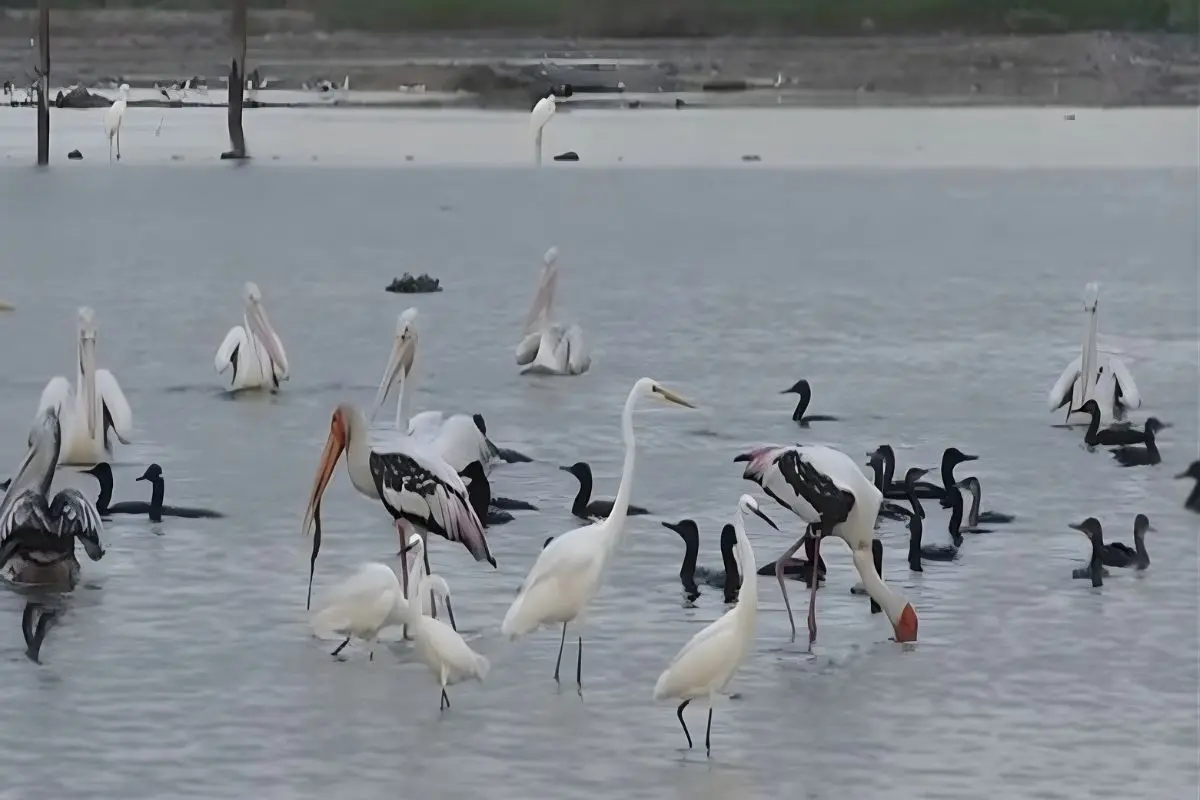
Tamil Nadu: Prolonged heavy rainfall over the past few weeks has transformed the salt pans in suburban Thoothukudi into temporary water bodies, creating a thriving habitat for water birds and migratory species.
The rainwater accumulation has led to a sharp increase in small fish, insects and other aquatic organisms, drawing large numbers of birds to the area. Ornithologists note that such scenes of water birds feeding in large groups in salt pans are rare, but this year’s weather conditions have made the landscape especially favourable.
Flocks of birds can now be seen landing, wading and actively foraging in the shallow waters, offering mesmerising sights to local residents and birdwatchers. Their energetic movements and feeding patterns have turned the area into an unexpected attraction for nature enthusiasts.
Rosy Starlings flock to Thoothukudi
In addition to water birds, large flocks of Rosy Starlings have been spotted across Thoothukudi district, forming striking aerial patterns as they move across the sky.
According to experts, Rosy Starlings migrate to southern India during winter from Northwest Asia and Eastern Europe. The birds usually leave their breeding grounds between September and October and remain in the Indian subcontinent until March or April.
Besides Tamil Nadu, Rosy Starlings are commonly found during winter in Gujarat, Madhya Pradesh, Karnataka, Kerala, Telangana and parts of North India.
Why the birds migrate
Ornithologists say migration is driven by favourable weather conditions and food availability. Rosy Starlings are omnivorous, feeding largely on insects found in grasslands, farmlands and wet areas. Travelling in large flocks helps protect them from predators, while their coordinated movements, known as murmurations, create a calm and visually striking environment.
If rainfall persists, experts believe the Thoothukudi salt pans could continue to serve as an important seasonal stopover for water birds and migratory species, underlining the ecological value of these transformed wetlands.
ANI