The untold story of skilled hands that weave, stitch India’s flag for the Red Fort
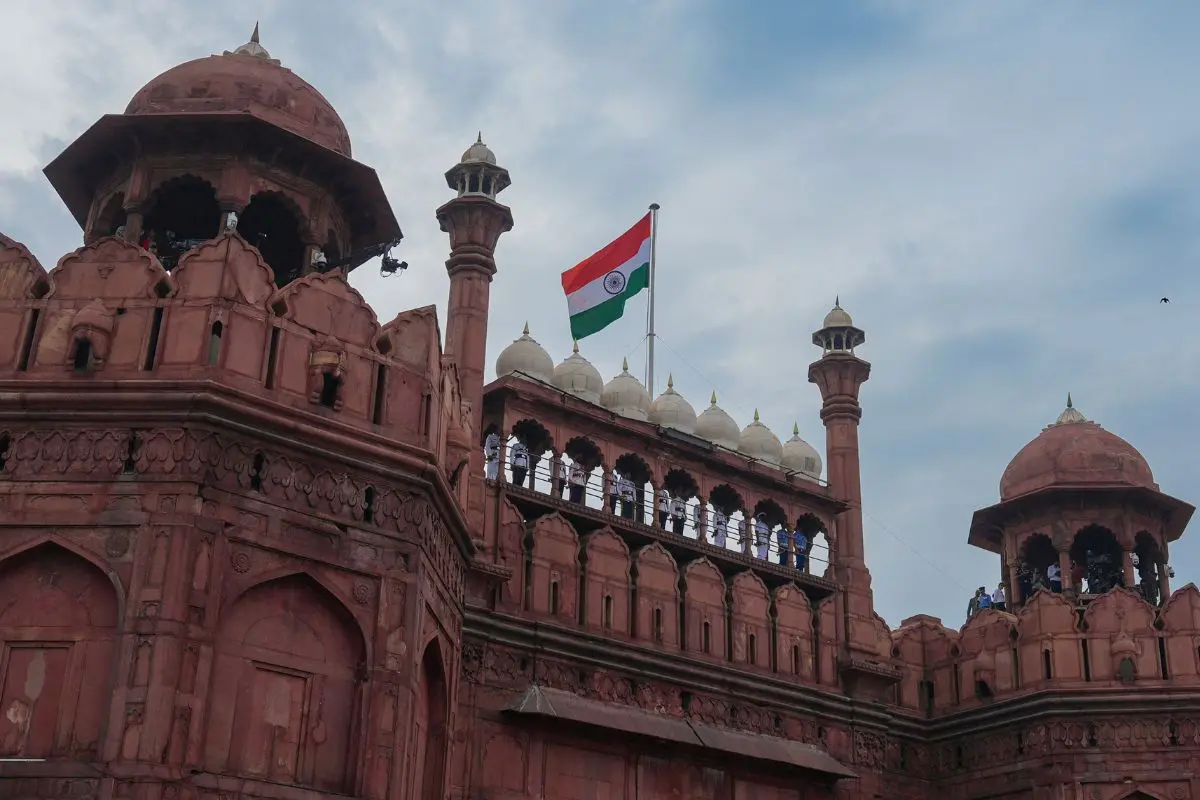
As India prepares to mark its 79th Independence Day, one small city in Maharashtra is quietly taking on a very big job. Nanded, home to the Marathwada Khadi Gramodyog Samiti, is among the select few official centres in the country where the national flag, the Tiranga, is produced according to strict government specifications.
From humble workshops in a village to the grandeur of Delhi’s Red Fort, these flags are carefully crafted and proudly hoisted across the nation.
How did Nanded become a flag-making hub?
The story goes back to 1965, when freedom fighter Govindbhai Shroff and visionary leader Swami Ramanand Teerth laid the foundation for Khadi Gramodyog in Nanded. Since then, the organisation has grown into both a source of local employment and a symbol of national pride.
What goes into making the Tricolour?
According to office superintendent Gyanoba Solanke, producing the flag is a meticulous and time-consuming task that begins months in advance.
It starts with untreated khadi cloth, which is sent to the BMC Mill in Ahmedabad, a government-approved facility, for weaving in the three colours of the national flag.
Once woven, the cloth undergoes stringent quality checks based on specifications laid down by the Bureau of Indian Standards (BIS). Only then is it returned for the screen printing of the Ashoka Chakra, cutting, and stitching.
One distinctive element in the process is the special Gardi rope used to tie the flags. Made from a blend of woods including turmeric, teak, sal, and rosewood, this rope is sourced from Mumbai. The entire cycle takes a minimum of two months, meaning production must be planned well in advance.
How is the fabric produced?
In a conversation with IANS, Mahabaleshwar Mathpati, manager of the Nanded manufacturing unit, explained:
“Our organisation started in 1962, and we have been manufacturing the national flag since 1993. The central government supplies the cotton. We have a branch in Udgir, Latur, where 250 spinners and weavers work to produce the fabric. This fabric is then brought to Nanded, sent to Gujarat for dying and bleaching, and finally returned to Nanded for printing and stitching.”
So far this year, more than 10,000 flags of various sizes have been produced at the Nanded unit. As of 8 August, sales worth ₹50 lakh have been recorded, with the unit on track to cross a turnover of ₹1.5 crore this year. Demand peaks every year ahead of Independence Day and Republic Day.
Flag sizes vary according to use. The largest – measuring 14x21 feet – is reserved for prominent government buildings such as ministries and the Red Fort.
The 8x12 feet flag is typically flown at district collector offices, the 6x9 feet at commissioner offices, and the 4x6 feet at tehsil offices. Smaller flags are sent to schools and colleges.
Who else makes flags for the Red Fort?
Interestingly, only four centres in India are officially authorised to manufacture flags for the Red Fort: Nanded and Mumbai in Maharashtra, Hubballi in Karnataka, and Gwalior in Madhya Pradesh.
Speaking about the sense of pride in the job, Mathpati said the team feels honoured to contribute to such an important national symbol.
In his words, “We feel proud while making the national flag. This is a great responsibility entrusted to us, and we are honoured to be part of this national duty.”
(Agency inputs)