‘She has to go, the baby has to stay’: Tharoor urges case-by-case view on Pakistani deportations
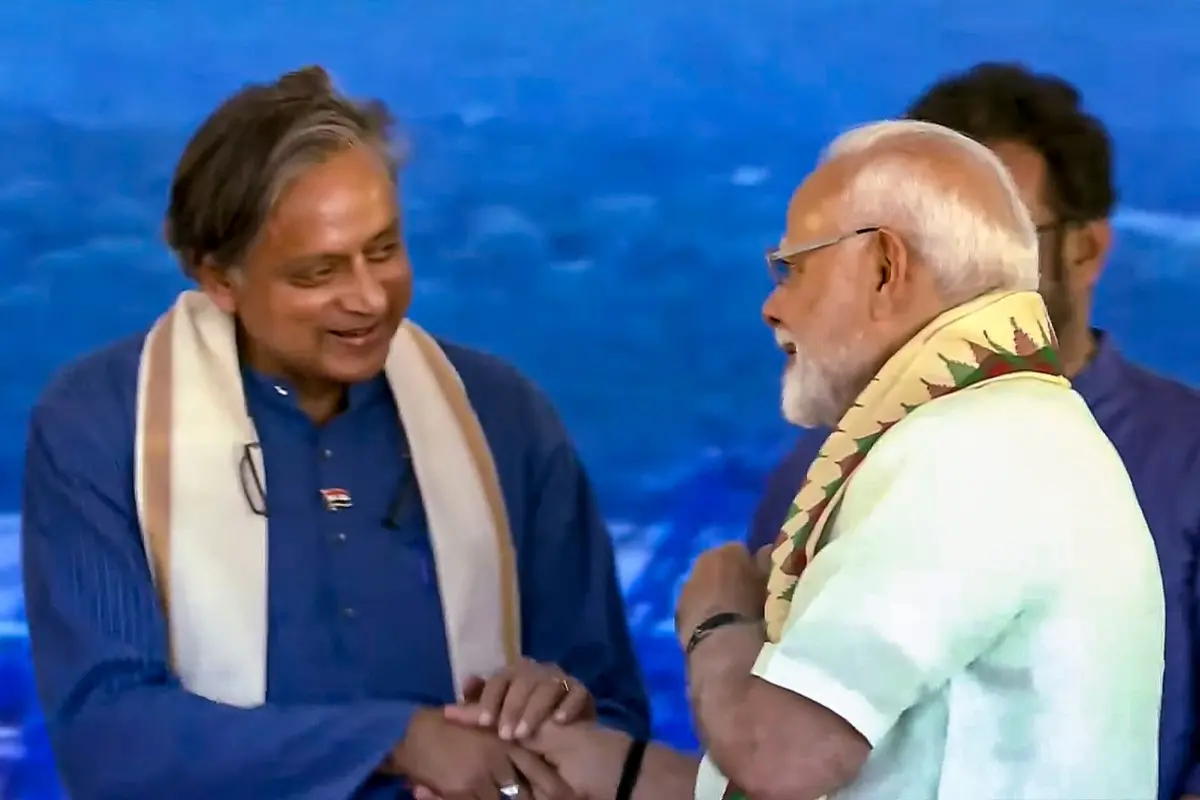
Thiruvananthapuram: Amid heightened tensions between India and Pakistan after the Pahalgam terror attack that killed 26 people, Congress leader Shashi Tharoor has urged the Union Government to adopt a humanitarian, case-by-case approach to the deportation of Pakistani nationals currently residing in India.
Speaking to PTI in Thiruvananthapuram on Monday, Tharoor shared a powerful example to illustrate the complexity of such decisions: “She has to go, and the baby has to stay,” referring to a mother of one nationality and her newborn of another. “Ideally, we should have a case-by-case determination, look at the circumstances, and make allowances one way or the other,” he said.
Tharoor also highlighted the plight of long-time residents in Kerala who, despite living in India since the 1940s and 1950s, never formalised their nationality status. “If, as a result, they become stateless—which is the case for two or three people I’ve been informed about—stateless people are in a different category from people who are still Pakistani,” he emphasised.
While acknowledging that the government’s current position reflects a hardline stance, Tharoor stated, “The government stand is the government stand and we have to respect it,” but stressed the importance of compassion in exceptional cases.
His remarks follow calls by BJP state president Rajeev Chandrasekhar for immediate deportation of all Pakistani nationals in Kerala, alleging non-compliance with central directives. Chandrasekhar framed the demand as necessary to ensure justice for the victims of the Pahalgam attack.
Separately, Tharoor also addressed the political row over credit for the Vizhinjam Port project, reiterating that it was initiated by a Congress-led government, supported through a CPI(M) tenure, and commissioned under the BJP-led Centre. “This is the story I would like to see replicated more often,” he said. “We need to rise above our political differences when it comes to growth, development, and national security.”
As national security concerns grow and political rhetoric intensifies, Tharoor’s plea introduces a rare call for empathy in a rapidly hardening debate over deportation and diplomacy.