31 demands addressed, Telangana RTC staff end strike; tragic protest death haunts resolution
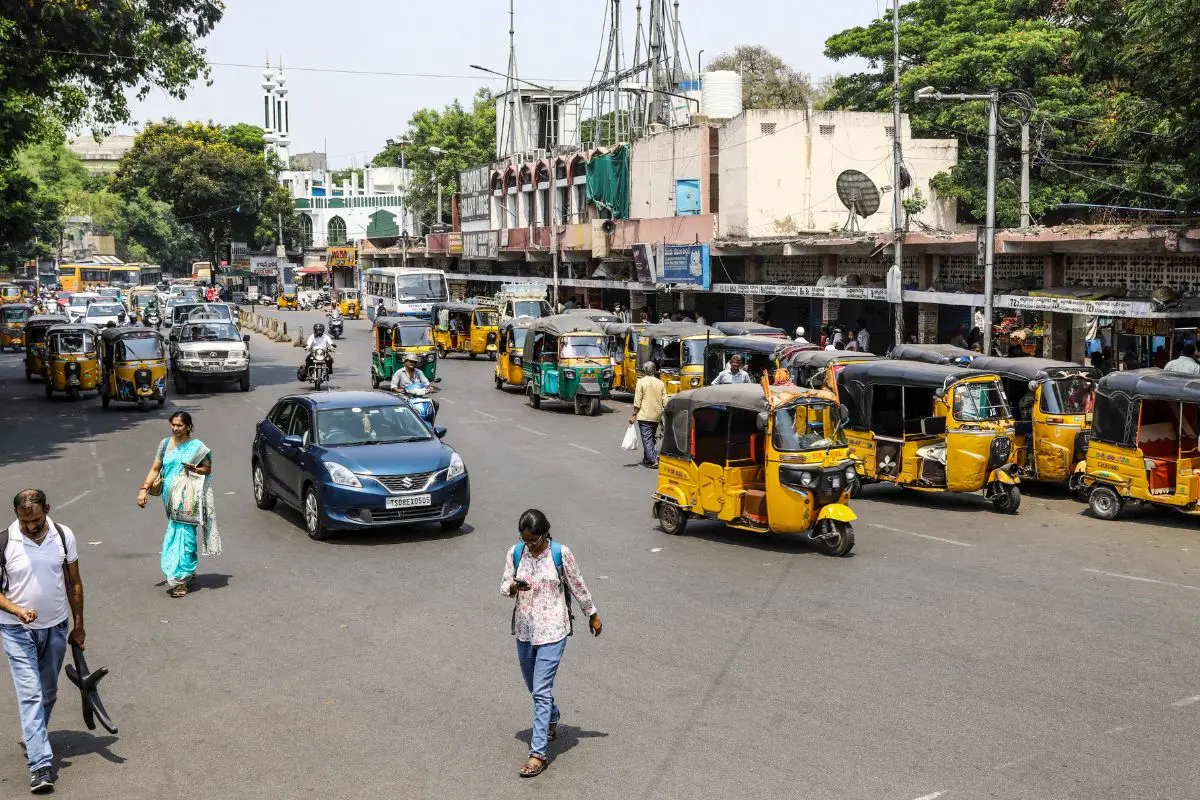
The three-day strike by employees of the Telangana State Road Transport Corporation (TSRTC) was called off late Friday night following a marathon round of negotiations at the state Secretariat, restoring bus services across Telangana and bringing relief to an estimated 60–65 lakh daily commuters.
The breakthrough came after over seven hours of intense discussions between the Joint Action Committee (JAC) of RTC employees and a group of ministers led by Deputy Chief Minister Mallu Bhatti Vikramarka.
The meeting, which began around 4 pm, continued late into the night before both sides arrived at a consensus on a majority of the employees’ demands.
Officials indicated that as many as 31 demands raised by the unions were addressed or accepted in principle, paving the way for the strike to be withdrawn.
Soon after the agreement, TGSRTC Vice Chairman and Managing Director Y Nagi Reddy announced that bus operations would resume from the first shift on Saturday, ensuring that transport services return to normalcy without further delay.
Relief for commuters, pressure on system
The strike had brought public transport to a near standstill since April 22, severely impacting daily life across urban and rural Telangana.
Thousands of buses remained off the roads, forcing commuters to rely on costly private transport, shared autos, or informal arrangements.
In cities like Hyderabad, office-goers and students faced significant hardship, while in rural areas, the absence of RTC buses disrupted access to essential services such as healthcare and markets.
The sudden surge in demand for alternative transport also led to inflated fares, further burdening passengers.
Government sources said the administration was under mounting pressure to resolve the deadlock quickly, given the scale of disruption and the dependence of millions on RTC services.
The resolution is expected to stabilise commuting patterns and ease the strain on both passengers and the transport network.
Shadow of a tragic protest
Even as services resume, the settlement is overshadowed by the death of Shankar Goud, a 55-year-old RTC driver who died after setting himself ablaze during the agitation.
The incident occurred in Narsampet in Warangal district on Thursday, sending shockwaves across the state.
Goud, who had served the corporation for 25 years, reportedly took the extreme step in support of the employees’ demands.
He succumbed to his injuries around 1.30 am on Friday, just hours before the final round of talks concluded.
Officials described him as the sole breadwinner of his family, living without a permanent house and supporting his wife Hemalatha, daughter Shamili, and son Hemanth.
His death has triggered widespread grief among RTC employees and renewed focus on the pressures faced by transport workers.
Employee unions have urged the government to extend financial assistance and support to Goud’s family, while also calling for measures to prevent such tragedies in the future.
The incident has added an emotional dimension to the resolution of the strike, highlighting the human cost behind labour disputes.
While the agreement marks the end of the immediate crisis, it also underscores the need for sustained dialogue between the government and employees to address long-standing issues within the RTC system.
As buses return to the roads, the memory of the protest and its tragic consequences is likely to linger, serving as a stark reminder of the stakes involved.