Tamil Nadu's new Urban Greening Policy 2026: Fostering sustainable and livable cities
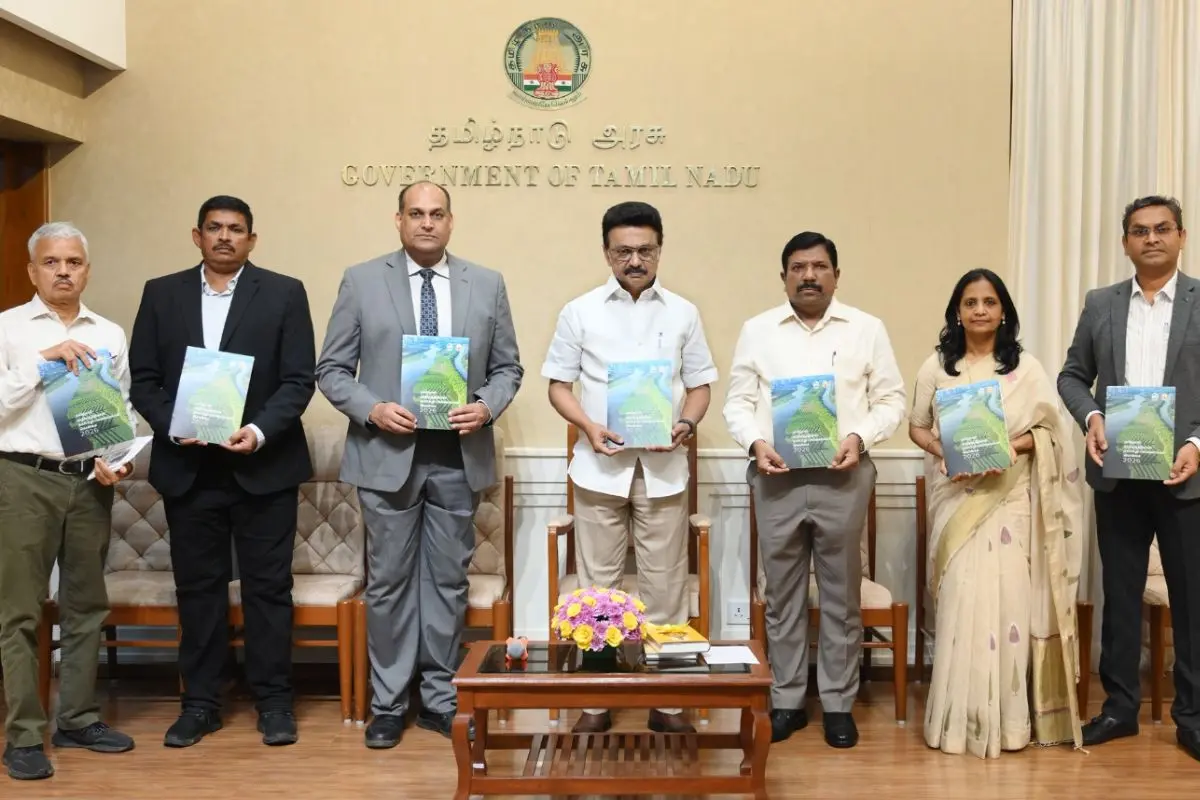
Chennai: Tamil Nadu Chief Minister M K Stalin launched the Tamil Nadu Urban Greening Policy 2026, marking a key step in the state’s mission to develop climate-resilient, sustainable, and livable cities.
The policy will guide urban local bodies (ULBs), development authorities, and allied departments in systematically enhancing urban green cover, reinforcing Tamil Nadu’s leadership in ecologically sound and people-centric governance.
“Tamil Nadu has been implementing a mission-mode, statewide greening programme under the Green Tamil Nadu Mission, aiming to increase forest and tree cover to 33 per cent, improve climate resilience, and strengthen ecological security,” the state government said.
Under the mission, the state has undertaken large-scale interventions, including planting over 12.05 crore seedlings, expanding agroforestry across 2.24 lakh acres, mangrove plantation and restoration, palmyrah dibbling, and establishing 100 village woodlots (Maragathapooncholai) across 38 districts.
Additionally, 1,000 micro-forests (kurunkadugal) have been created within industrial premises, and 100 new reserve forests have been notified. Greening initiatives have also been integrated with livelihood promotion, climate action, and sustainable development goals.
The launch was attended by Finance, Environment and Climate Change Minister Thangam Thennarasu, Forest Minister R S Rajakannappan, Chief Secretary N Muruganandam, Additional Chief Secretary Supriya Sahu, Principal Chief Conservator of Forests Srinivas R Reddy, and other senior officials.
The Urban Greening Policy 2026 addresses challenges from rapid urbanisation, including urban heat island effects, declining air quality, loss of urban biodiversity, and shrinking green spaces, while aligning with the state’s Climate Change Vision and ongoing greening initiatives.
A state-level coordination committee will oversee cross-departmental convergence, and the Municipal Administration and Water Supply Department will establish a dedicated urban forest wing to implement city-level greening projects. Urban biodiversity plans and micro-level greening plans will also be prepared for each city.
The policy includes geospatial mapping, carbon accounting, and monitoring dashboards to track progress. Departments will allocate project shares towards greening and landscape restoration, and ULBs may levy a green fee to fund urban greening activities. Incentives will reward institutions and individuals meeting defined Urban Greening Factors.
Each ULB is expected to maintain at least 15 per cent of urban areas under green cover and adopt Urban Green Livability Guidelines from the Nature-based Solutions Institute, Sweden. The policy also promotes the development of the City Biodiversity Index (Singapore Index) and ensures equitable per capita green space accessibility through integrated urban planning.
PTI